Helius Designs Viridia Turntable and Phaedra Tonearm Review
September 14, 2021 Comments Off on Helius Designs Viridia Turntable and Phaedra Tonearm Review
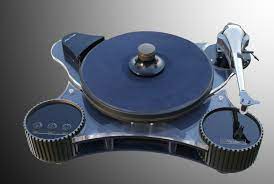
From the first launch of sound, I felt the Helius Phaedra and Viridian combo create a robust presence with rhythmic precision and an ability to cast convincing sonic images within an expansive soundstage, especially with acoustically recorded music. But that sound was never in your face. The perspective was more 12th row rather than front—set reasonably back in the orchestra section, but still catching the waves of sound before hall reflections might smooth things out. The images and instrumental timbres were clear with no sonic confusions or smears. There was a weightiness to the music but also a light touch when called for. Through almost everything I played, the Helius combo presented intimacy as well as scale and boldness.
For instance, one of the first LPs I spun on it was Venice, an Analogue Productions reissue of an RCA Living Stereo release (RCA LSC-2313) that was a compilation of orchestral pieces performed by the Orchestra of the Royal Opera House, Covent Garden, conducted by Georg Solti. On its first track, the “Preludio” to Act I of Verdi’s opera La Traviata, I heard delicately pianissimo violins that then swelled gorgeously, the double basses bouncing away like a circus organ, and violas and cellos noticeably fattening the sound as they joined in. Together they created a sweeping, skating feeling to the music and a deep, complex sonic field that extended horizontally before the plane of my speakers. I could separate different string sections from each other, pick out various parts as they played, and felt stirred by the French horns adding color and depth. When the festive music wound down into sweeping, feathery notes, I discerned a mordant delicacy that presaged the tragic plot of the opera. The Helius ’table and arm made this previously average-sounding record into something very special, like replacing a cheap red wine with a great Barolo.
Canton Reference 7K loudspeaker $6995 Review
September 13, 2021 Comments Off on Canton Reference 7K loudspeaker $6995 Review
https://www.stereophile.com/content/canton-reference-7k-loudspeaker
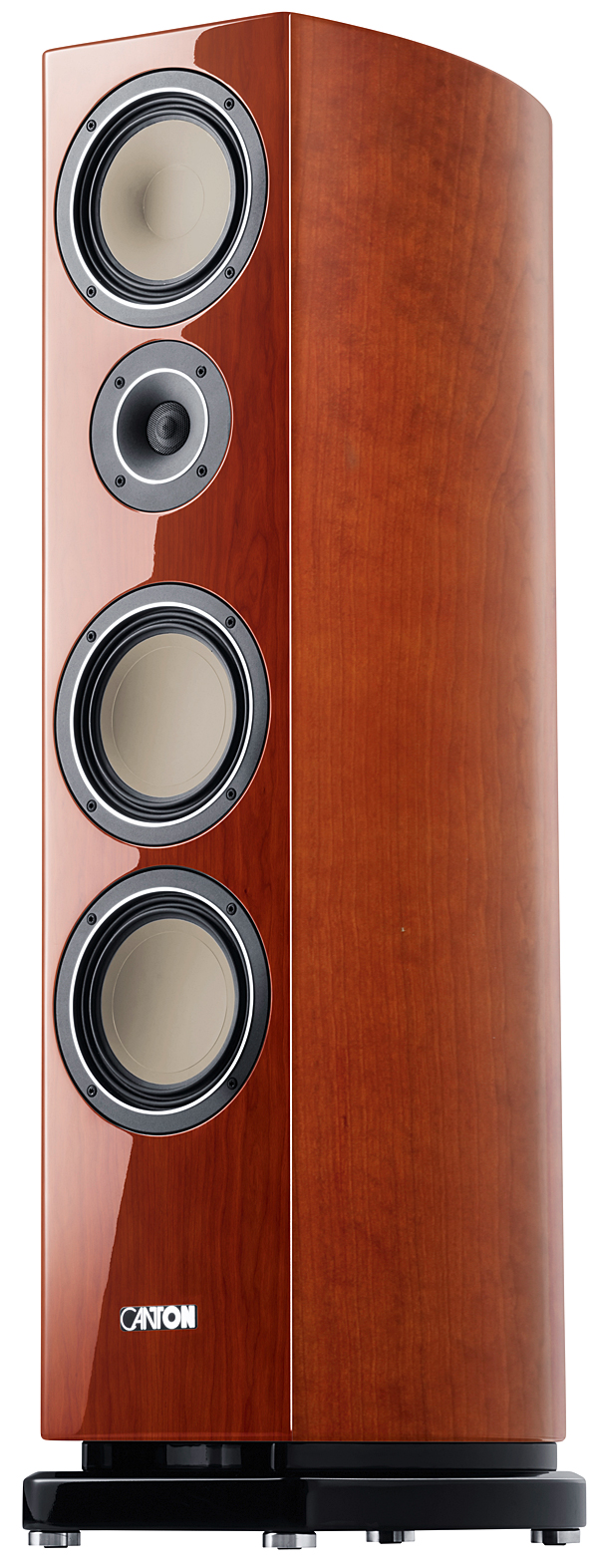
If recorded piano can reveal problems, the same can be said about the marimba. One of the things I love about Roon is its integration with streaming radio stations. A favorite is Linn Classical, which plays tracks from the Scottish label’s expanding catalog of well-engineered recordings. One evening, before I started some Canton critical listening, the Linn station streamed the Allemande from the Cello Suite No.5 in C Minor, BWV1011, performed on marimba by Kuniko Kato. Immediately impressed by the Japanese percussionist’s empathetic approach to this work, I found the album, J.S. Bach: Solo Works for Marimba, on Tidal (16/44.1 FLAC, Linn Classical CKD 585) and listened to the entire suite. The Reference 7Ks faithfully reproduced the delightful balance between the direct sound of the instrument and the ambience behind it. The Cantons’ transparency allowed me to hear clearly how the attack on each note lit up the reverberation in St. John’s Church in Estonia. No specific notes seemed emphasized, though the instrument’s lower registers did sound very rich.
PS Audio Stellar PowerPlant 3 Review
September 13, 2021 Comments Off on PS Audio Stellar PowerPlant 3 Review
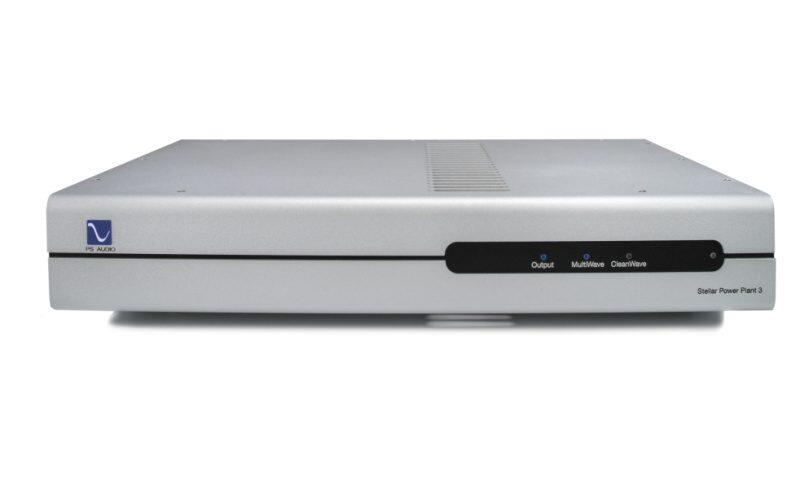
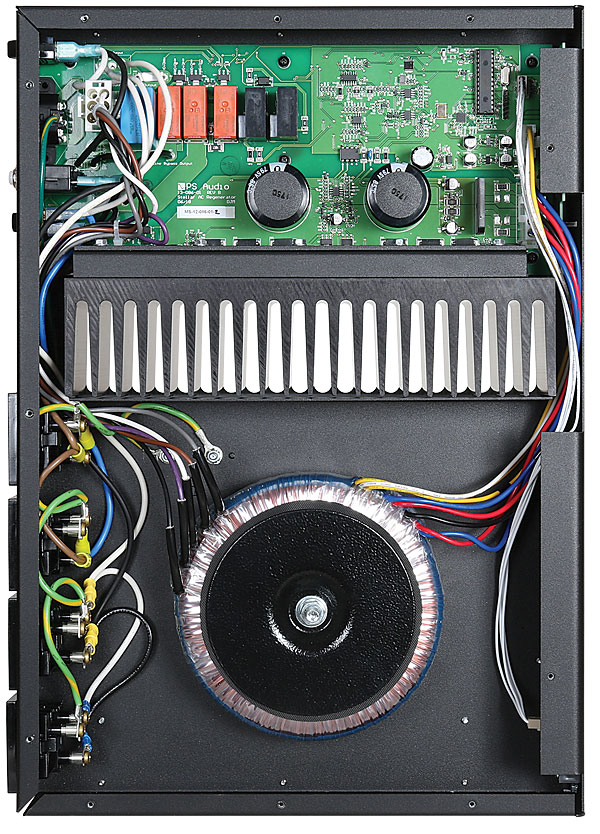
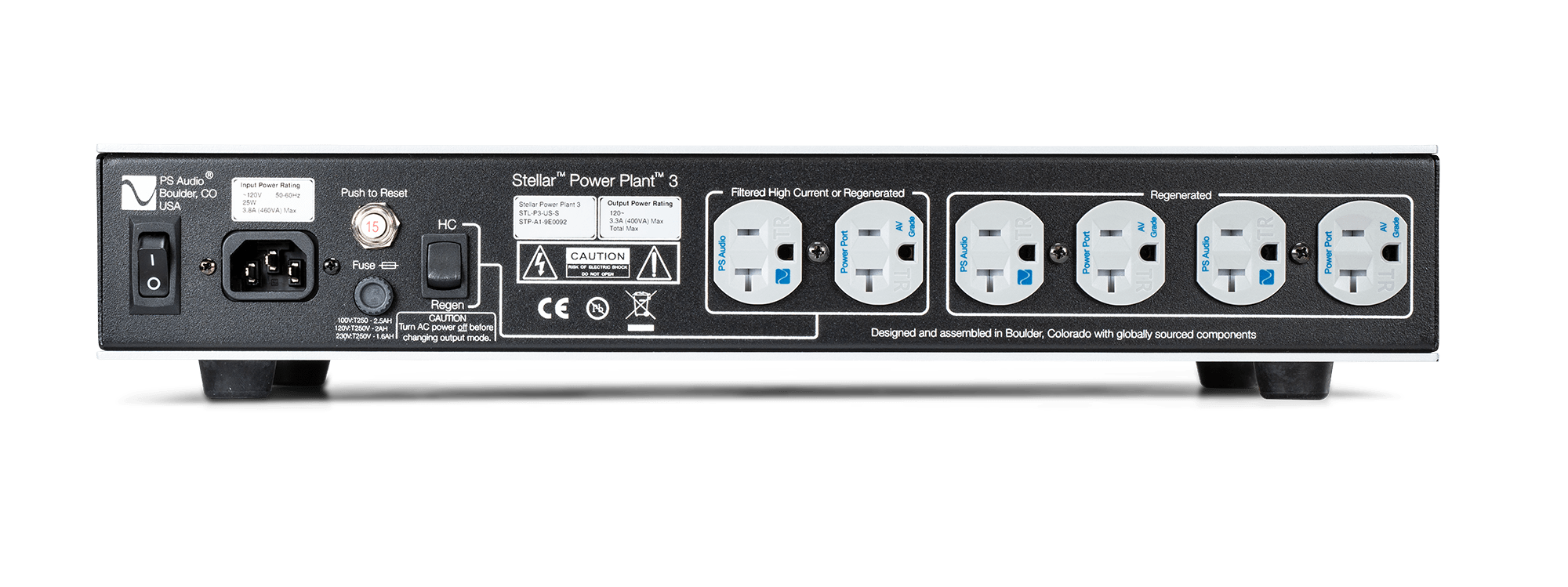
There was hum in my system! It was the dreaded 60 cycle hum. So was it caused by a faulty power supply, or a power transformer too close to a high gain amplifier? No, more likely the progenitor of this problem was electromagnetic coupling somewhere in the cabling. Experimentation narrowed my search for the source back to my preamp. As a rule, if the level of hum doesn’t change with changes in volume, then the problem is likely in a power cord or interconnect. In this case, swapping the power cord greatly reduced the audibility of the hum.
Hum, buzz, and static are probably the easiest noise issues to identify, but there are others, EMI and RFI among them, much harder to sort out. This is partly because they are more difficult to pinpoint when present but, interestingly enough, are very noticeable when removed. Anyone faced with system optimization will ultimately need to address noise issues and solutions. Noise masking of program material will increase fatigue, reduce dynamic range, waste amplifier power, increase distortion, and generate unnecessary heat. Noise can alter amplitude and phase, and inject spurious frequencies.
These are just some of the things that power conditioners are, ideally, designed to deal with, some more successfully than others. Power conditioners can, while removing noise, also change the character of your system, not necessarily for the better. As with any component, it is always best to audition a power conditioner in your own system before making your purchase.
Rotel RA-1592 MKII integrated amplifier Review
September 13, 2021 Comments Off on Rotel RA-1592 MKII integrated amplifier Review
MEZE AUDIO ELITE REVIEW
September 11, 2021 Comments Off on MEZE AUDIO ELITE REVIEW
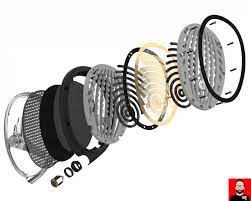
One of the most sophisticated and advanced planar magnetic technologies in the world. The MZ3SE driver builds on the pioneering technology of the flagship MZ3 driver found in the Empyrean headphone. The innovative Isodynamic Hybrid Array technology delivers a more selective
acoustic performance to the various areas within the structure of the ear. Advances in diaphragm materials have opened the doors to even higher resolution and accuracy of the sound reproduction, setting a new benchmark in headphone design.

Polk Audio Reserve Series R200 Review
September 11, 2021 Comments Off on Polk Audio Reserve Series R200 Review
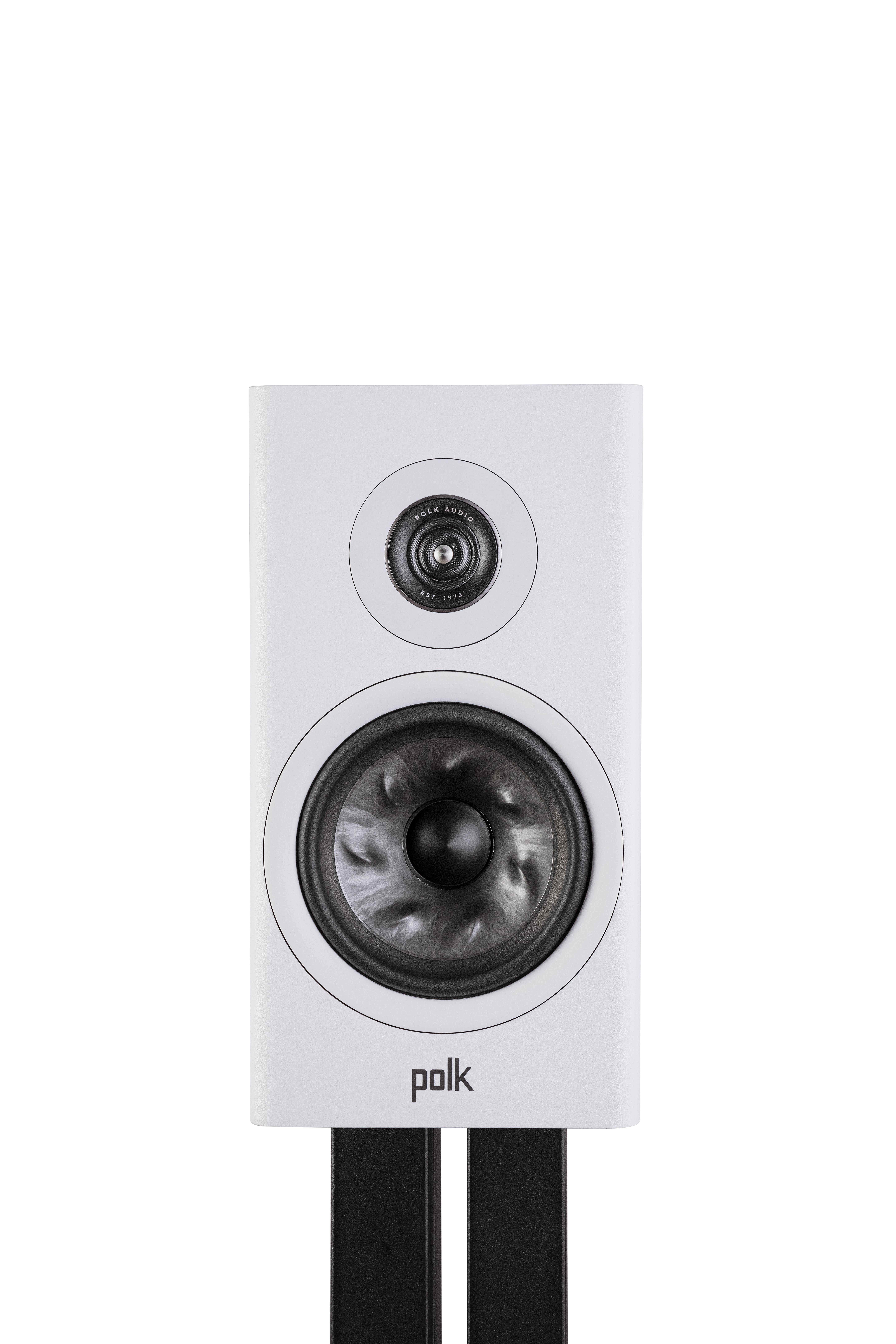
The R200 has very good inter-driver coherence—genuine, of-a-piece comradery between the tweeter and mid/bass transducers. This is confirmed by the focused, rock-stable images the speaker conveys. This image focus benefits backup harmonies and larger vocal groupings, which are reproduced with great articulation. The backing synth drums during Linda Ronstadt’s “Poor Poor Pitiful Me” were revealed with all their tuneful electronic timbre intact. Even the insistent clang of the cowbell during the song’s intro registered with naturalism. Orchestral layering, inner detail, and low-level cues were reasonably well resolved, as well. Overall, these fine-tuned aspects of the performance weren’t quite on a par with the transparency or sense of dimension of a Magnepan or an MBL, but this elite company didn’t embarrass the R200, either.
FIIO M11 PLUS LTD $799 REVIEW
September 10, 2021 Comments Off on FIIO M11 PLUS LTD $799 REVIEW
. THX have achieved their goal with the THX AAA-78*2 amplifier architecture of providing a powerful dynamic low distortion and linear solution for portable devices, and FiiO’s implementation takes full advantage of its characteristics. Plus the AKM AK4497EQ is simply one of the most musical DAC chips available, and again FiiO’s utilization and support of this chip is completely admirable, wringing the best possible sound from it.
With its musicality, versatility, and power, it would not be a stretch to say that the M11 Plus LTD is the best portable solution in its price range, able to fulfill almost any use requirement whether as a DAP, a portable USB, or Bluetooth DAC/Amp or a music server for a Bluetooth speaker system. I would say that it would be of benefit to grab up the limited edition bit of magic while they are still available, a full wholehearted recommendation.

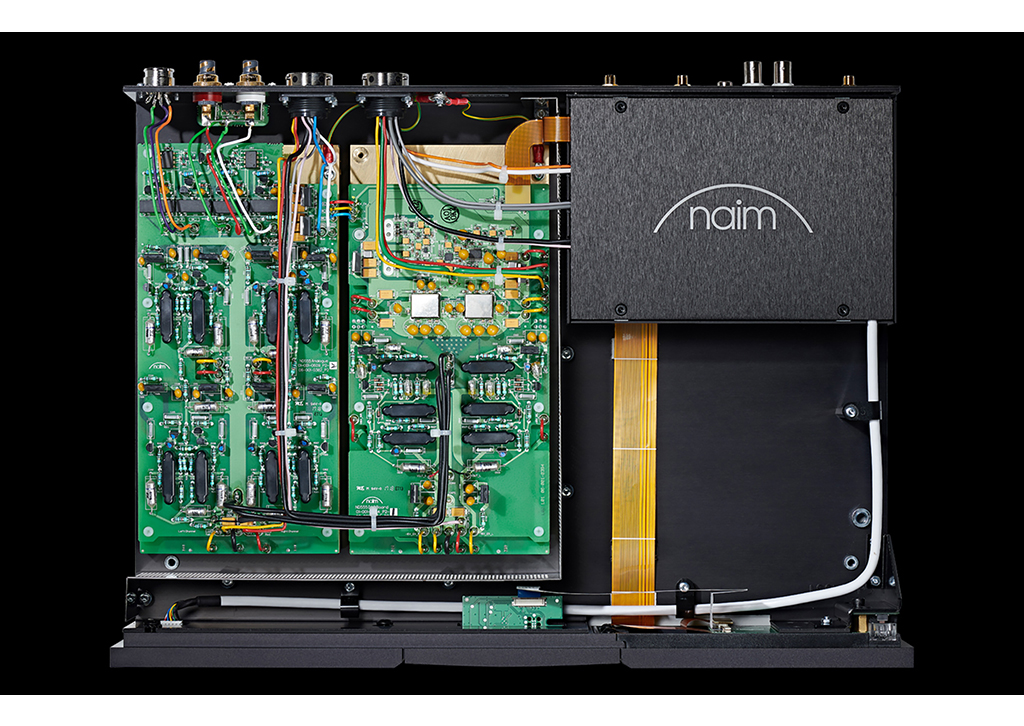
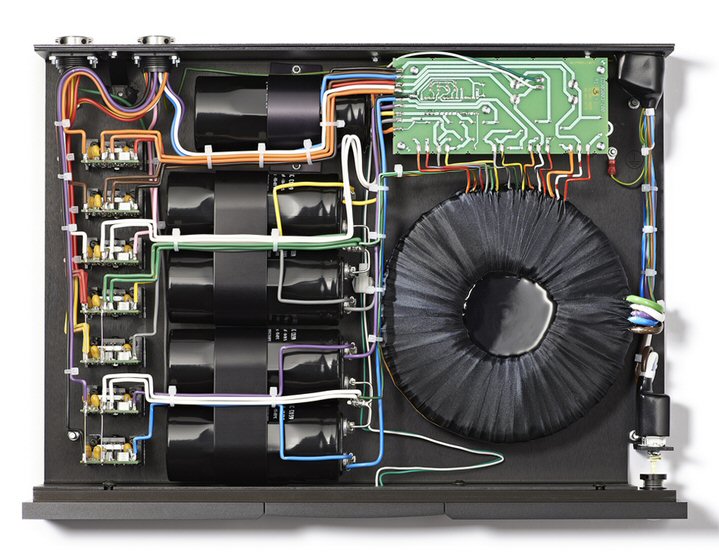
Naim ND555DAC and PS555 Power Supply Review
September 10, 2021 Comments Off on Naim ND555DAC and PS555 Power Supply Review
REVIEW: Naim ND555DAC and PS555 Power Supply
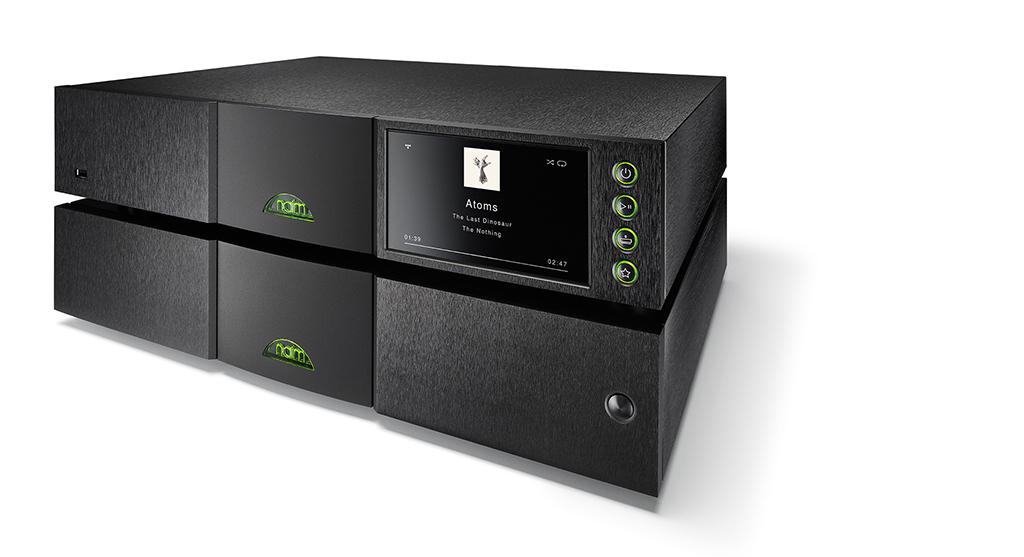
Yes, build quality at this level is superb, and of course, thousands of hours of research, testing, and prototyping went in the front door. But in the end, when you compare the finest DACs at this price point as a whole, they still outperform the DACs a click or two down. Finally, when you graduate to a player at this level, there is no more regret. You won’t find yourself sitting in the listening chair pondering, “if it only did a little more of this, or a little less of that.” Build quality, execution, ergonomics, and most of all, sound quality are all top. Another thought to ponder: because Naim can build a product at this level makes their entry-level digital products equally compelling. There’s a deep pool of knowledge to swim in, so even if you can’t play at the top of the mountain, it’s still a good day wherever you can be. Naim makes a fantastic $3k player because they have the engineering chops to make a $40k player.
Naim digital players are at the top of the mountain when capturing music’s pace and timing. There is a correctness here that is achieved by precious few digital players, and when listening to acoustic instruments, everything in the mix feels as if it’s the proper size and has correct spatial relationships. Some players can feel overblown, yet with the ND555, you can hear the difference between an upright Steinway and a Grand. This level of musicality will have you looking at your turntable, wondering if you really need to fuss with vinyl anymore. It’s that good.
 Audiophilepure
You must be logged in to post a comment.