Eversolo DMP-A8 Review
October 5, 2024 Comments Off on Eversolo DMP-A8 Review
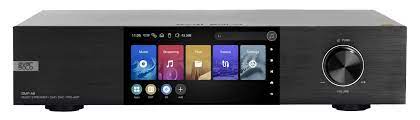
The DMP-A8 has USB, Coaxial, optical and HDMI I²S output. The Eversolo supports Spotify and Tidal Connect, which is a big plus for me. I’m personally using Tidal Connect most of the times, but my fiancée is a Spotify head, though she admits Tidal sounds better.
Something that really caught my eye on the Eversolo, or better yet, in the Eversolo, is its resistor ladder amplification stage. Nowadays we often see R2R DAC setups, but Eversolo opted to use it as their amp stage, which is very nice! This all is just a very brief overview of what the DMP-A8 packs, and I suggest, that you check out the detailed product info on their website.

KEF LS50 Wireless II Review
October 5, 2024 Comments Off on KEF LS50 Wireless II Review
https://www.hifichoice.com/content/kef-ls50-wireless-ii
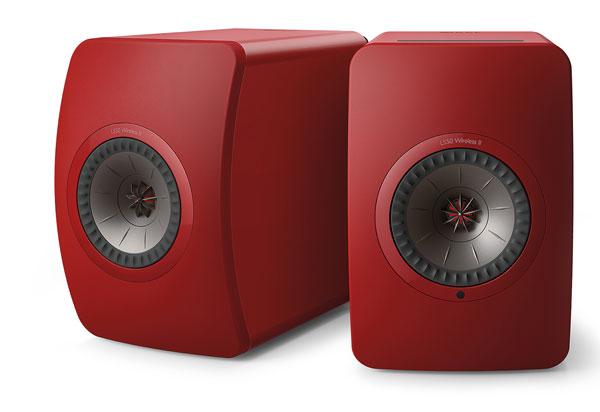
It’s this strength in depth that makes the KEF so convincing. I still feel that a few little tweaks to the software would reap benefits, but I can’t argue with the way it combines an extensive and practical specification that makes it an ideal one-stop shop with a level of overall performance that is truly outstanding. When you listen to the LS50 Wireless II it’s easy to forget about the convenience angle and concentrate instead on the sensational level of sonic performance. It isn’t cheap, but it’s unquestionably a superb all-in-one system that should be on anyone’s shortlist at or near the price.
NAD Masters M66 Streaming Preamplifier $5499 Review
October 4, 2024 Comments Off on NAD Masters M66 Streaming Preamplifier $5499 Review
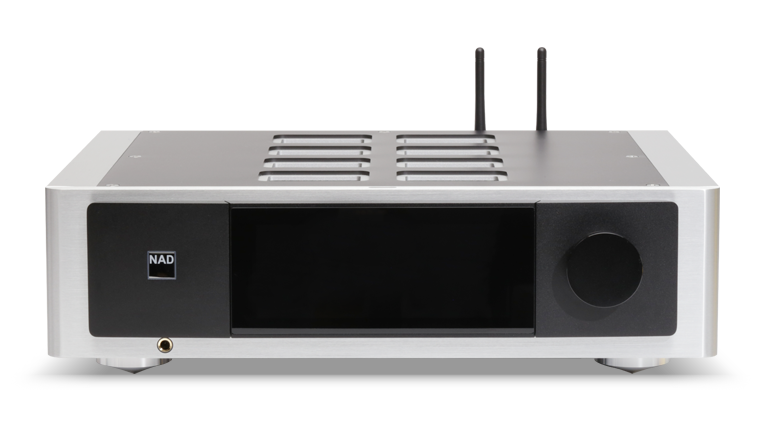
The subterranean bass on “Full of Life,” from Paranoïa, Angels, True Love (24/176.4 FLAC, Because Music Tidal), by Christine and the Queens, was deeper and better articulated with the M66 than with the STR. When the track’s deep, long tones started to pound, they filled up my listening room and held fast, with no discernible overhang.
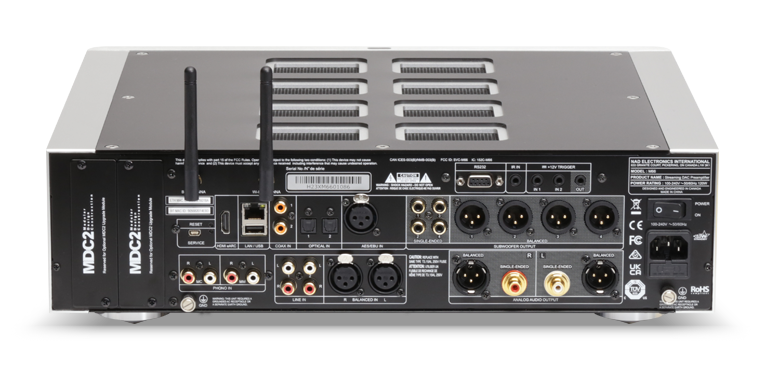
On its Dirac Live Bass Control web page, Dirac states that “Bass Control leverages all-pass filters, plus machine learning and artificial intelligence, to calculate gains, delays, and all-pass filters for each subwoofer.” Anthem’s ARC Genesis room-correction system allows automatic adjustment of subwoofer phase to optimize it for the main speakers, but it relies on a much older DSP chip and is more limited in what it can do. One feature the STR does have that the M66 doesn’t is home-theater bypass mode, which in the STR includes the subwoofers—they are always in the circuit, whether in multichannel playback or stereo. In my combined stereo-HT system, I have found this invaluable. I know of no other component that offers such flexibility in an HT-bypass mode.
Audiovector Trapeze Reimagined $19,950 Review
October 4, 2024 Comments Off on Audiovector Trapeze Reimagined $19,950 Review
https://www.whathifi.com/reviews/audiovector-trapeze-reimagined
The new Trapeze have a claimed sensitivity of 88dB/W/m and a nominal impedance of 8 ohms (with a minimum of 6.5 ohms at 20kHz). That kind of electrical load shouldn’t be an issue for any good quality price comparable amplifier.
These floorstanders prove relatively unfussy about positioning. Audiovector recommends around 70cm out from the back wall as a good starting point, but in use the speakers seem easy-going enough to be placed a little closer if you have to. It all depends on the size and construction of your listening space, of course. In our 3 x 7 x 5m (hwd) test room, the recommended distance works well, giving a good balance between bass weight, tonality and stereo imaging.
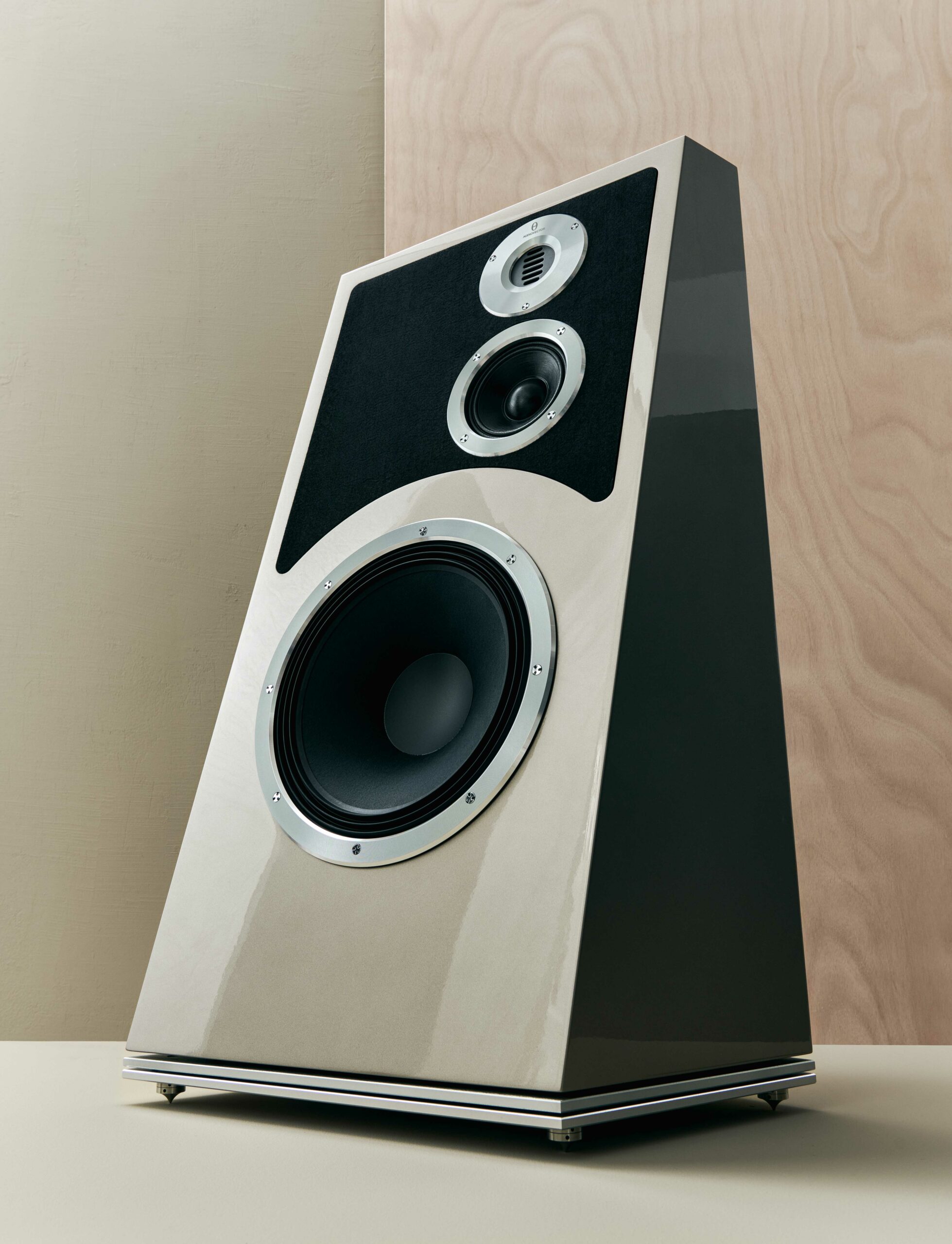
Focal Diva Utopia Speakers Hands on! FIRST LOOK
October 3, 2024 Comments Off on Focal Diva Utopia Speakers Hands on! FIRST LOOK
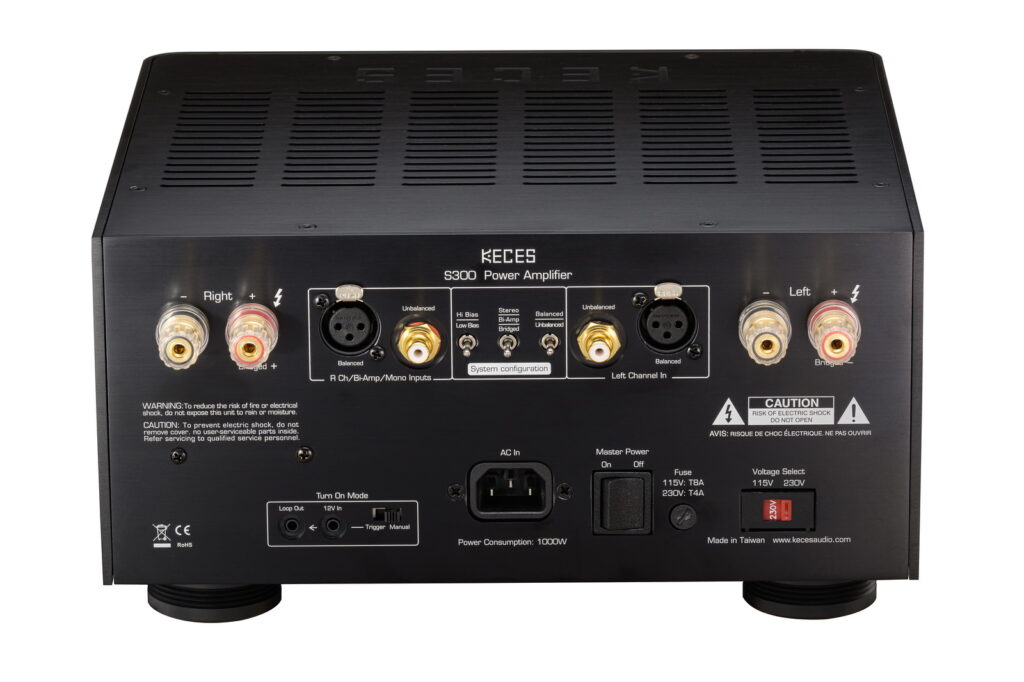
KECES Audio S300+ Power Amplifier and S4 Stereo Preamplifier $3800 Review
October 3, 2024 Comments Off on KECES Audio S300+ Power Amplifier and S4 Stereo Preamplifier $3800 Review
The only disappointment that I had in auditioning the S4’s phono stage was not having a DS Audio optical cartridge to test out the S4’s EQ capability. Believe me, I tried to secure a DS Audio cartridge for review, but the queue is way out the door and down the street! Others will have to tell that part of the story. Long story short, the phono stage of the S4 sounds superb, and significantly adds to the S4’s appeal. In sum, the S4 preamp and S300+ amplifier faithfully and accurately deliver source material and ancillary system choices. They do better with a little warm up, however, and the the power supply for the S4 and the S300+ run warm, so keep a cool bevvy at the ready.
Whew! Okay, so maybe all of this is more than simply “Notes.” Like the Ebravo streamer, the KECES Audio S300+ Power Amplifier and S4 Stereo Preamplifier offer excellent value and highly accomplished sound. KECES Audio is a new discovery for me, (although there are reviews on PF dating back more than a few years). I have a feeling that, as word spreads about this company’s sound and apparent build quality, the prices will go up. As such, the S300+ Amplifier and S4 Stereo Preamplifier may be worth auditioning sooner, rather than later. I’m confident that you will find such an effort to be well worth your time.

Turntable Buyer’s Guide
October 2, 2024 Comments Off on Turntable Buyer’s Guide
With the vinyl resurgence, we live in a golden age of well-made turntables, many of them at prices affordable to one and all. From Rega to Pro-Ject, Thorens to AMG, Acoustic Signature to VPI Industries, J. Sikora to Clearaudio, E.A.T. to Michell, and many, many others in between and beyond, modern turntables come at every price point, using materials as common as MDF and glass to brass, aluminum, carbon fiber, copper, glass, and even gold.

Telos Audio QRC Power Conditioner & GNR Grounding Device | REVIEW
October 2, 2024 Comments Off on Telos Audio QRC Power Conditioner & GNR Grounding Device | REVIEW
https://parttimeaudiophile.com/2024/09/13/telos-audio-review
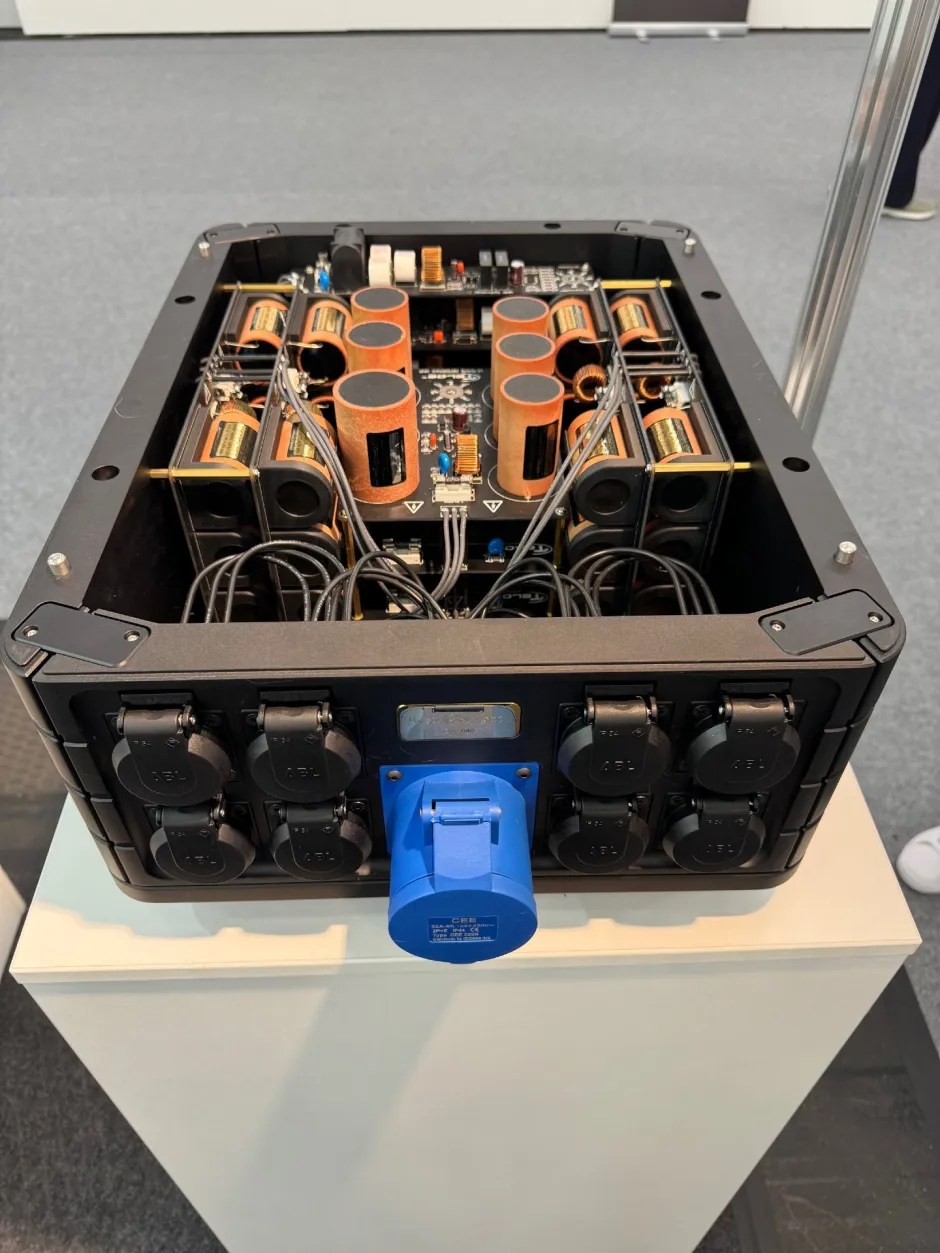
The Telos Audio QRC and GNR, however, seem to have a more comprehensive approach to noise suppression and power management. Put these two devices into your system and boom! Noise floor eliminated. There was such a thorough feeling of quiet in my system that I started hearing more of what was happening outside–those friggin’ noisy hummingbirds and Stellar’s Jays and ospreys, the occasional lapping of water on the shore from a boat wake, Colleen in the middle of a Zoom call on the other end of the house. Is that a bad thing? Of course not! But it demonstrates the effects of the Telos Audio gear on my reference system in a fairly obvious way.
Do you need both the QRC and the GNR to achieve this level of quiet in your hi-fi? That’s an interesting question, because I did spend considerable time in determining which product contributed the most to the overall improvement–power conditioning and grounding may have a common goal, but they’re traveling from different directions to get to the crossroads. The Telos Audio QRC added consistency to the signal, a feeling that there was always a steady flow of juice coursing through the system to deliver the same results every time. The GNR, however, supplied the silence. That black and velvety silence, that space between the notes that’s just as important as the notes.



You must be logged in to post a comment.