SME Model 60/Series VA Turntable $50,000 Review
September 17, 2022 Comments Off on SME Model 60/Series VA Turntable $50,000 Review
https://www.hifinews.com/content/sme-model-60series-va-turntable
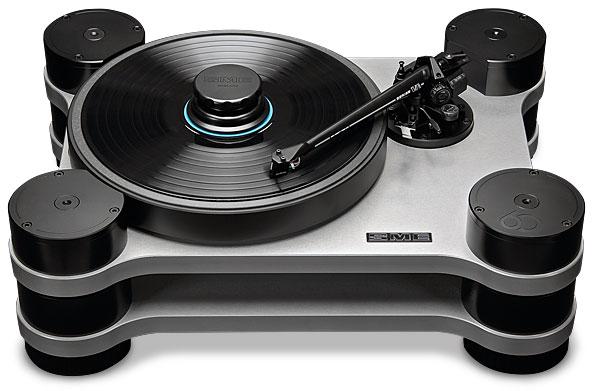
This astonishing, incredible level of detail never once left the Model 60 sounding like a surgical instrument heartlessly dissecting the music. Rather, its level of insight worked to knit the music together as a whole. Detail is definitely not the enemy; I’ve always found that more information equals more musical enjoyment, and the Model 60 showcased this theory exquisitely.
The sense of sumptuous clarity continued into the top end, with vocal performances in particular an absolute joy to behold. On the a cappella version of ‘Too Many Walls’ [12in single; Polydor CATHX 4], Cathy Dennis was a clear and vivid presence, her singing given a scale greater than I have ever heard. Even more striking was the reproduction of the track’s few vocal plosives, although – again – rather than being a distraction this just added to the sense of realism on offer.
QUESTYLE M15 REVIEW
September 16, 2022 Comments Off on QUESTYLE M15 REVIEW
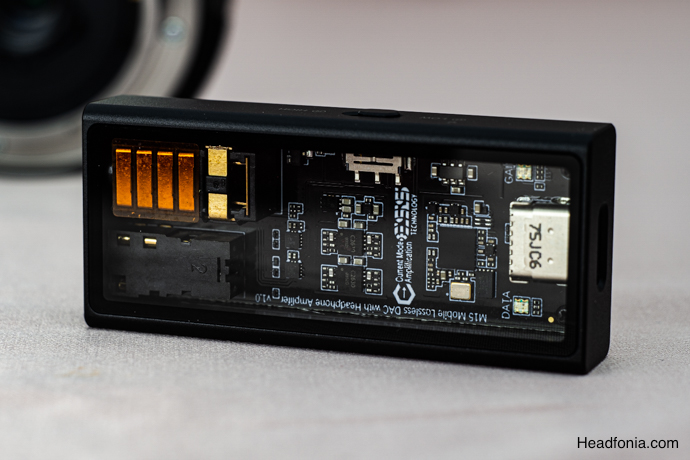
I mentioned it a couple of times already but I have to tell you that I am in love with the design of the M15 once again here in this closing section. The M15 offers one of the most sophisticated designs in the industry and it is an absolute eye candy with its stellar build and material quality.
It is a capable, great-sounding little device that can dish out a serious amount of juice into demanding cans despite its small size. Overall, I am really pleased to see Questyle implementing their CMA technology into a pocketable device and I recommend you to give it a listen if you are in the market for a dongle.
Q Acoustics Concept 50 loudspeaker $2999 Review
September 16, 2022 Comments Off on Q Acoustics Concept 50 loudspeaker $2999 Review
https://www.stereophile.com/content/q-acoustics-concept-50-loudspeaker
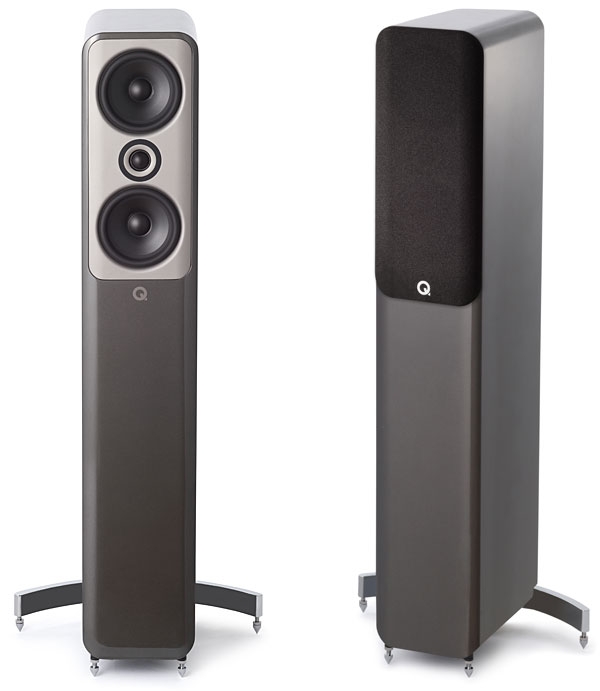
A while back I wrote that $7000/pair was becoming the sweet price spot for affordable tower speakers, offering excellent sound quality and measured performance without much in the way of compromise. The Q Acoustics Concept 50 lowers that sweet spot to $3000/pair. Okay, the fact that it’s made in China will contribute to the lowering of the sweet spot price, but this immaculate-looking, -sounding, and -measuring loudspeaker gets a strong recommendation from me for use in moderate-sized rooms like mine. Just make sure you can place it close to the wall behind it.
Acelec Model One Loudspeaker Review
September 15, 2022 Comments Off on Acelec Model One Loudspeaker Review
https://www.audiophilia.com/reviews/2022/8/2/acelec-model-one-loudspeaker
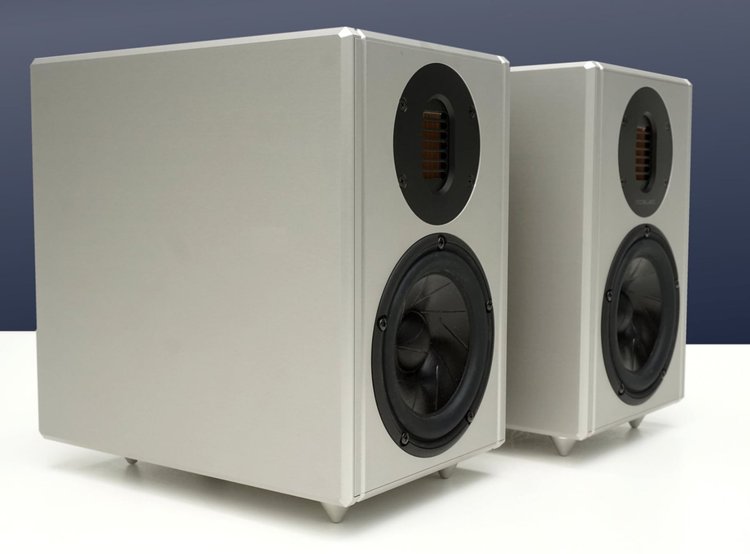
Designer Cees Ruijtenberg’s words to represent his speakers, “Model One is possibly the most transparent conventional loudspeaker available today.” reminds me of Robert Duvall’s outlaw character to John Wayne at the final gunfight in True Grit, “I call that bold talk for a one-eyed fat man!”. That said, the bold talk has a lot of merits. There’s some real magic going on here. Careful design, choice parts and everything well implemented. With the result, you may hear what Ruijtenberg does. The Model Ones certainly are transparent and dynamic bookshelf speakers that can live in many musical settings. And at the introductory price, a steal. Have a listen before the price goes up. Very highly recommended.
IFI AUDIO GO BAR & GOLD BAR $339 REVIEW
September 14, 2022 Comments Off on IFI AUDIO GO BAR & GOLD BAR $339 REVIEW
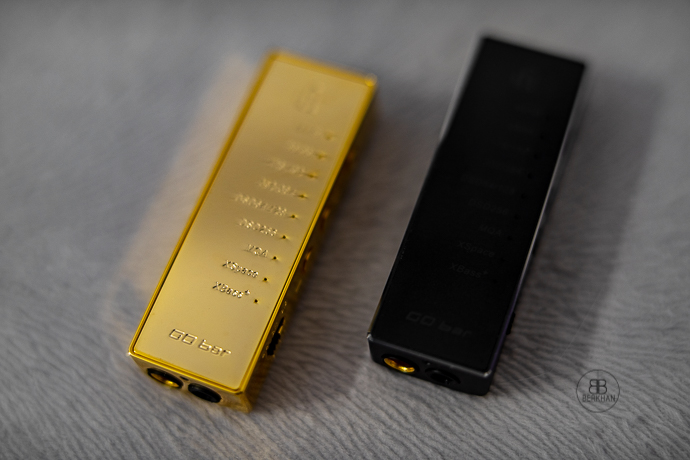
iFi GO Bar has the classic iFi Audio sound in a small footprint. It’s clean sounding with good clarity, resolution and stereo imaging. The unit is a bit dry in the bass and midrange, which is not surprising from a device from iFi Audio. It’s somewhat a bit sterile, light in the bass and mids, and crisp in the treble region.
It does nothing in an aggressive manner though, it’s not too bright, but it’s not muffled or veiled either. It’s a well-balanced and well-controlled device, with excellent background blackness. The sound-stage is reasonably good, with very good imaging and separation.
The bass is a bit light but with very good pace and decay, the midrange is clean with good tonality and clarity, and the treble is crisp with good air and extension. I can also say that the midrange is a bit forward.
D’Agostino M400MxV Power Amplifier $30,000 Review
September 13, 2022 Comments Off on D’Agostino M400MxV Power Amplifier $30,000 Review
https://www.hifinews.com/content/dagostino-m400mxv-power-amplifier
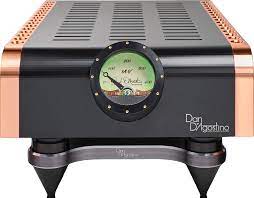
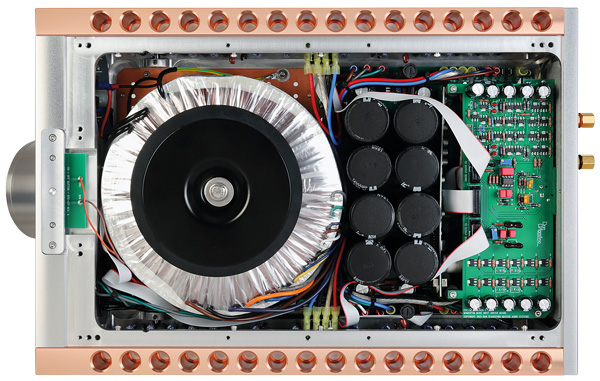
Recorded in 1956, Josh White Comes A-Visitin’ [Livingston Master Tape Treasury T-1085] captured the folk-blues legend with a small group in one of those early stereo situations where multi-tracking and too many microphones were yet to infect the industry. The sound wasn’t merely captivating or convincing. It was mesmerising, the experience all the more noteworthy because my fellow listener was an ex-BBC engineer with a golden ear and four decades’ worth of pedigree.
We both agreed: a new level had been reached in realism, authenticity and sheer transparency. Truly dumbstruck at the recreation of the studio space, the harmonic overtones on the acoustic instruments, and the reproduction of White’s voice… I am humbled.
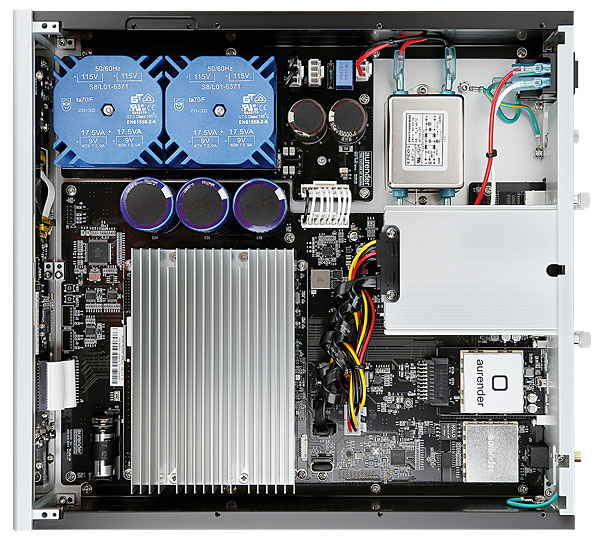
Aurender N200 Network Audio Transport Review
September 13, 2022 Comments Off on Aurender N200 Network Audio Transport Review
https://www.hifinews.com/content/aurender-n200-network-audio-transport
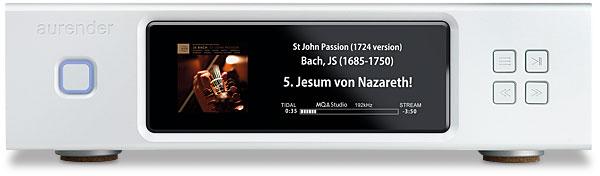
Just as powerful was Mitsuko Uchida’s recording of Beethoven’s ‘Diabelli Variations’ [Decca 4852731; 192kHz/24-bit], in which the N200 revealed even the slightest touch of finger on key as well as the complexities and intricacies of the writing. Meanwhile, the speed and definition of the sound here – even in the complexity of the Variation 33 fugue, with notes tumbling over each other – was quite breathtaking.
This characteristic was also readily apparent in another fugue, the massive piece concluding Britten’s ‘Young Person’s Guide To The Orchestra’, in the Michael Stern/Kansas City Symphony Britten’s Orchestra recording [Reference Recordings RR-120SACD; DSD64] This is one of my go-to test pieces, and remains hugely enjoyable even on repeated listening. Through the Aurender/iFi Audio combination the instruments sounded wonderfully well-shaped, and the drama of the crashing finale is of a quality to have you turning it up and listening again.
HIFIMAN EF400 $599 REVIEW
September 12, 2022 Comments Off on HIFIMAN EF400 $599 REVIEW
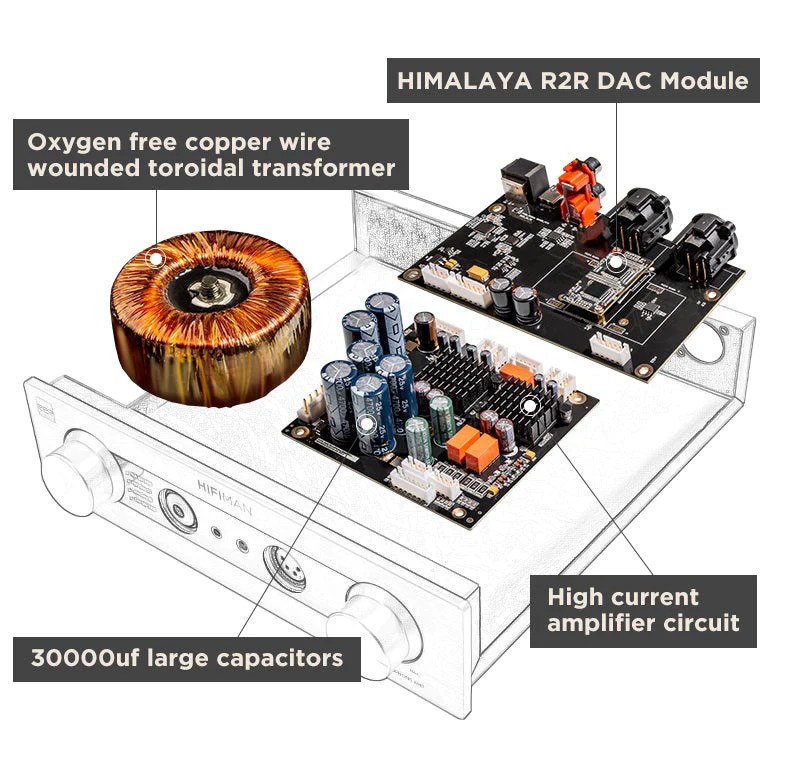
Hifiman EF400 Review
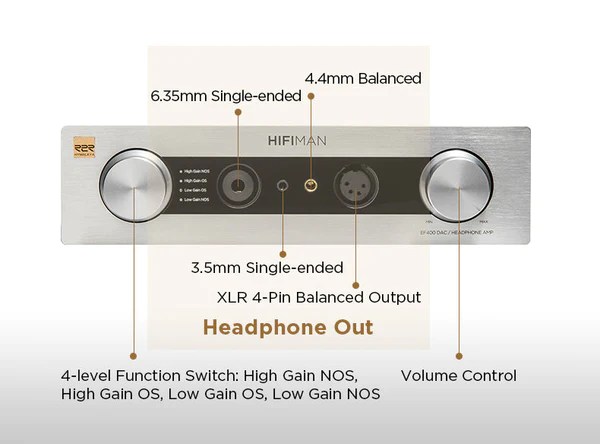
As promised in the product sheet, the HiFiman EF400 is absolutely dead silent, even with super sensitive IEMs like my Onkyo IE-C3, or the FiiO FD7. To be sure, I tried various sources to check if EMI shielding was okay too and 99% of the time, I was pleased to hear the same pitch-black background. As I said, I had some parasites, but those were not ground-related, and once I rebooted the device, everything went clear.
Last but not least, I did some comparisons between the single-ended ports and the balanced one. The brand recommends choosing the 3.5mm and 4.4mm Pentaconn to drive high-sensitivity in-ears, and stick with the 6.35mm and XLR 4-Pins for low-sensitivity headphones. So I did the opposite, see how the amp behaves, and… quite frankly, it works well.
Audiovector R Sub Arreté $2,225 Review
September 12, 2022 Comments Off on Audiovector R Sub Arreté $2,225 Review
However, I still maintain that most Audiovector R Sub Arreté subwoofers will likely end up with Audiovector owners, and many of those owners will be using R1 stand-mounts or R3 floorstanders… and they will chew someone’s arm off to get this subwoofer in their systems. Not because it has an Audiovector badge (although that probably helps), not even because it’s future-proofed, but simply because it works so well and makes those R1 and R3 speakers sound even better. Audition at your wallet’s peril!

ABYSS HEADPHONES DIANA TC OPEN-BACK $4500 REVIEW
September 11, 2022 Comments Off on ABYSS HEADPHONES DIANA TC OPEN-BACK $4500 REVIEW
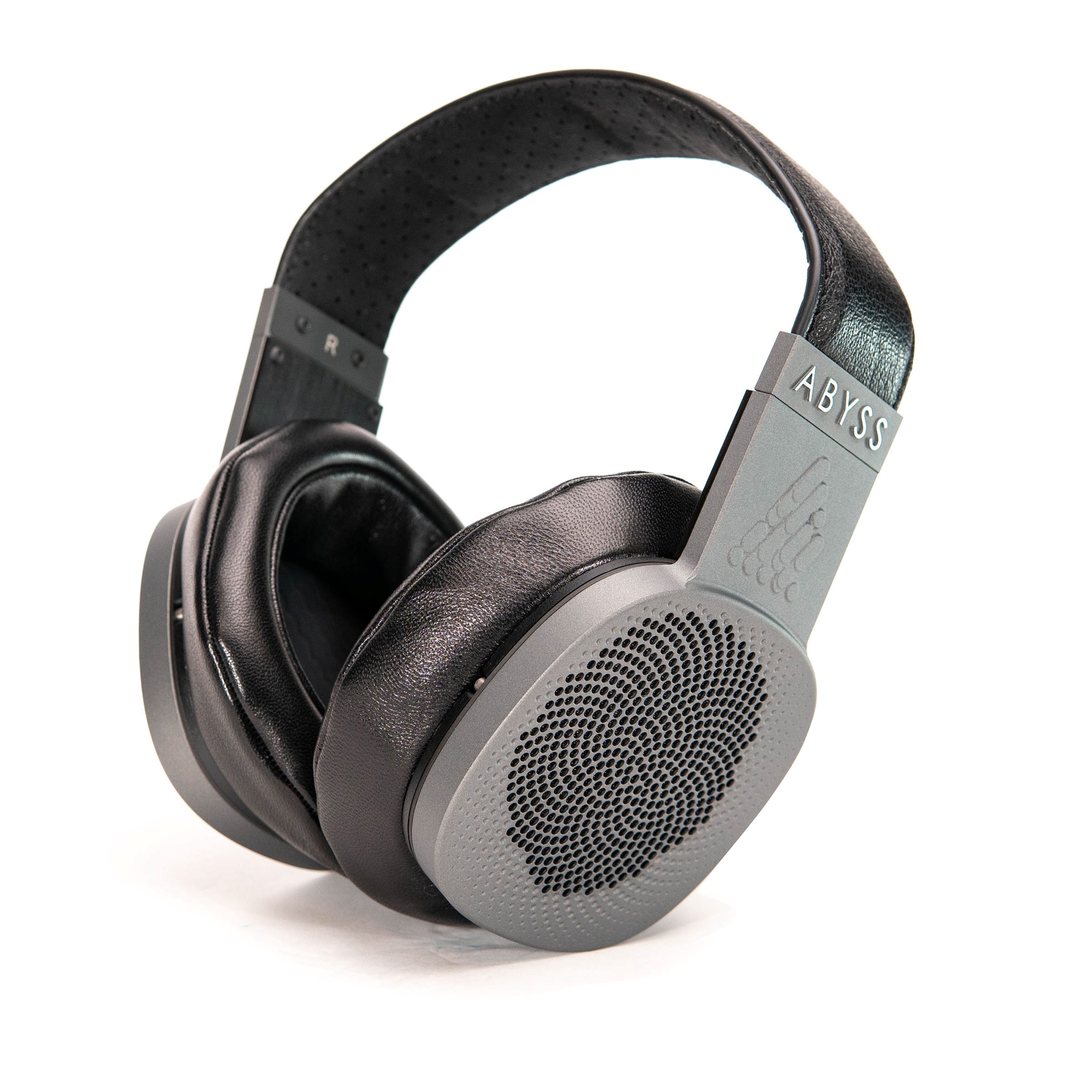
Mind you, your portable amplifier will need to pack some punch as most DAPs won’t be ideal; but pair them with a Chord Hugo 2 or iFi Diablo and you’ll be rewarded in spades! With comfort levels that allow me to use them for literally hours (compared to roughly 90 minutes for the full-sized AB1266 Phi TC headphones), the Diana TC fire on all cylinders with regards to both comfort and world-class quality of construction. Their neutral tonality with speaker-like bass quality make them a no-brainer high recommendation for me as regardless of the genre of music that I threw at them, I always came away with a large smile on my face. You simply need to give these headphones a serious audition. Their price point might be too much for your budget ($4495 USD), but boy oh boy, your ears still need to hear them and you need to hear just how BIG and clear these small headphones sound!


You must be logged in to post a comment.