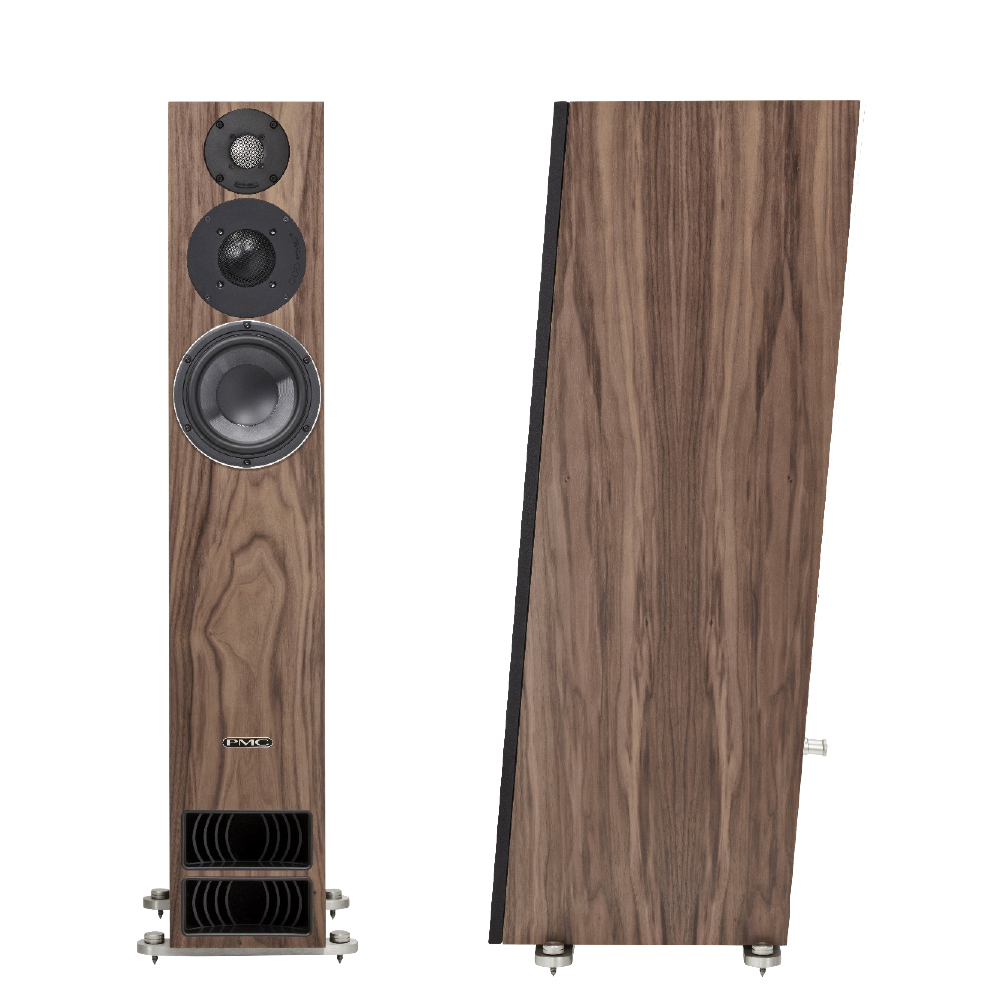
PMC TWENTY5.26I FLOORSTANDING LOUDSPEAKER
August 2, 2021 Comments Off on PMC TWENTY5.26I FLOORSTANDING LOUDSPEAKER
http://www.hifiplus.com/articles/pmc-twenty526i-floorstanding-loudspeaker/
Switching to the Moor Amps Angel 6, an amplifier that has since become a mainstay of my system, and pairing it with the Allegri Reference preamp took the experience onto another plane, revealing qualities in recordings that had hitherto been very well hidden. The twenty5.26i laps up upgrades in source and amplification, making it clear that its transparency and neutrality are there to be exploited. This amplifier’s dynamic range makes most alternatives sound compressed; it’s not unduly powerful (150W/8 Ohms) yet it finds dynamic contrasts that can be positively shocking, such as the bass that comes out of Bugge Wesseltoft and Henrik Schwarz’s ‘See You Tomorrow’ (Duo, Jazzland), is a track I’ve played many times yet never really heard it seems. It’s remarkable what modern loudspeakers can find hiding on your favourite albums, the state of the art is clearly progressing at a healthy pace.
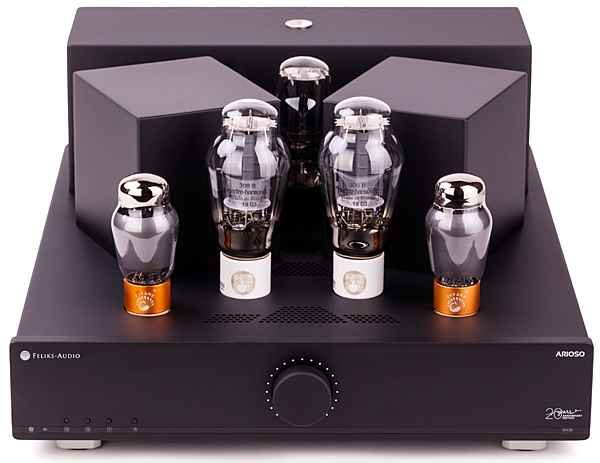
Feliks Audio Arioso amplifier & the Western Electric 300B tube
August 2, 2021 Comments Off on Feliks Audio Arioso amplifier & the Western Electric 300B tube
Replicas or not, the Cossors were hyperbolically eloquent and water-clear. Their overtly appealing liquidity made the new Western Electrics seem a bit stark and the Electro-Harmonix EH Golds a bit coarse. The EHs specialized in making snare drums, double bass, saxophone solos, and spring reverb sound tangibly present. The more delicate and transparent Cossor WE 300Bs specialized in making church choirs, sitars, string quartets, and sultry female vocals seem unabashedly beautiful.
After a couple of weeks of studying the new Western Electric 300Bs, I went back to the Cossor “replicas” and played a stunning, gloriously transparent recording called Bloom featuring Armenian singer, songwriter, pianist, and storyteller Areni Agbabian backed by Nicolas Stocker’s sparse, mystical percussion (24/96 FLAC, ECM/ Qobuz). The Western Electric tubes played Bloom with unprecedented clarity and transient authority. In contrast, the Cossors played it with conspicuous delicacy and detailed refinement.
Amazon Music Unlimited review
August 1, 2021 Comments Off on Amazon Music Unlimited review
https://www.whathifi.com/us/amazon/music-unlimited/review
Amazon Music Unlimited is compatible with smartphones and tablets via its Android and iOS apps; PCs and Macs via either its web player or desktop app; Fire tablets and Fire TVs; some in-car entertainment systems; Sonos multi-room wireless speakers; Bluesound and NAD BluOS devices. It’s worth noting that you can’t actually access CD-quality music or hi-res tracks in Amazon Music HD through your browser, though. This can only be done through the dedicated desktop and mobile apps, which is no bad thing.

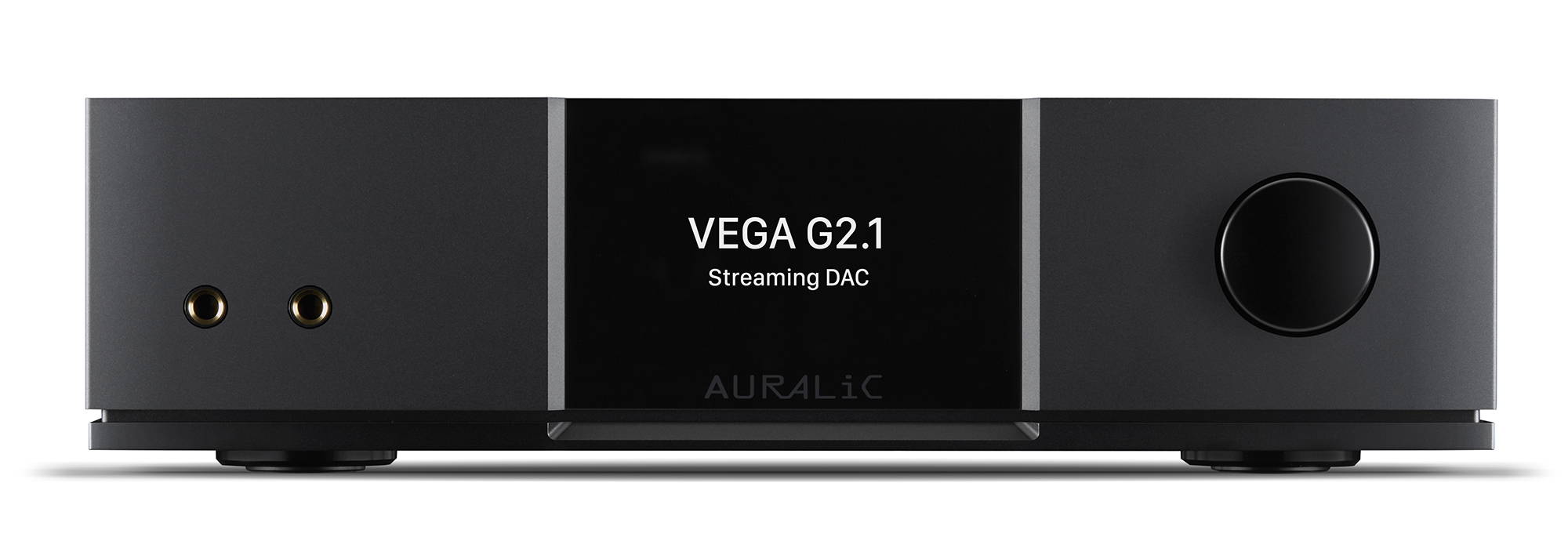
AURALIC VEGA G2.1 STREAMING DAC REVIEW
August 1, 2021 Comments Off on AURALIC VEGA G2.1 STREAMING DAC REVIEW
http://www.hifiplus.com/articles/auralic-vega-g21-streaming-dac/
The depth of information that the VEGA G2.1 can pull out of a signal is remarkable. It really delivers the full picture to the extent that it’s hard to imagine how things could be much better. The noise floor is clearly way, way down because everything is so clear and easy to understand, it makes more affordable DACs sound positively flat. Remember that I was still using the onboard volume control at this stage, such things are usually a serious limiting factor with DACs. The space it allows for each instrument or voice to express itself is quite inspiring, you get the full intensity and power of drums alongside the nuances of voice and other quieter sources. Switching to a high-end preamplifier and using a fixed output did introduce a level of ease and flow to the sound, but in fairness this was the Townshend Allegri Reference, which has become my go-to product for ‘ease’ and ‘flow
KEF LS50 Meta Loudspeaker Review
July 31, 2021 Comments Off on KEF LS50 Meta Loudspeaker Review
https://www.hifinews.com/content/kef-ls50-meta-loudspeaker
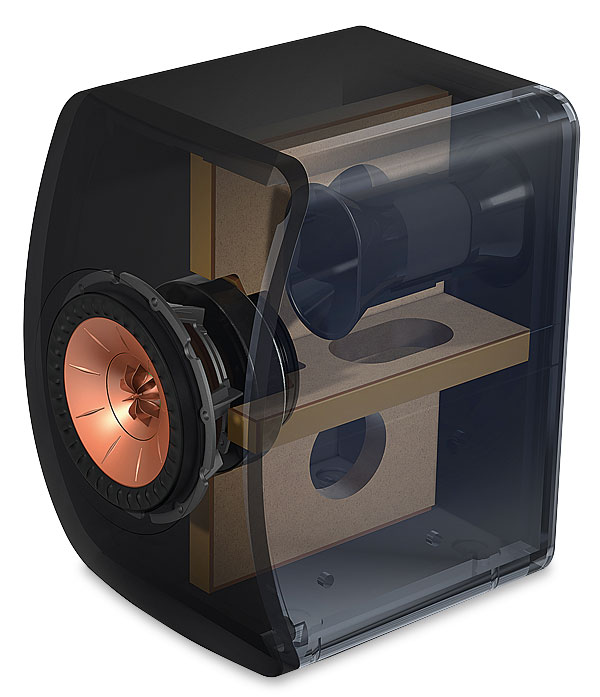
Beat Of The Brass [A&M AMC146 open-reel tape]. Ordinarily, I listen to Alpert’s superb recordings because the punch of his trumpet is a killer test for transient attack, treble smoothness and other qualities. So explain this one to me… how is the LS50 Meta faster, with crisper transients, smoother in its decay, yet even less likely to show signs of sibilance than the already sweet-sounding LS50?
On to something less cluttered, the luscious-sounding Julie London on Julie Is Her Name [Analogue Productions APP-3006-45], every track sounding ‘in the room’. Gears into reverse for the pounding ‘Glad All Over’ from The Dave Clark Five – All the Hits [BMG BMGCAT408DLP]. No shortage of attack, scale or sheer power. The bottleneck guitar in Keb’ Mo’s Peace… Back By Popular Demand [Pure Pleasure/Epic/Okeh PPAN92687] as fluid and serpentine as it should be. As you might have gathered, I love this speaker.

Audeze LCD-R REVIEW
July 31, 2021 Comments Off on Audeze LCD-R REVIEW
Well, I can very safely say that these new ribbon drivers by Audeze hit the ball out of the park! Billy’s piano playing has never sounded better or more life-like than what I experienced with this setup! The midrange was meaty and upfront with an incredible amount of detail that just left me smiling from ear to ear! The treble was in perfect proportion to the lower frequencies and seemed to dance on top of the midrange with such an airy and delicate balance that very much reminded me of an electro-static presentation. Yes, it does appear that you can have your cake and eat it too

Classé Audio Delta PRE/MONO DAC/Preamp & Monoblocks Review
July 30, 2021 Comments Off on Classé Audio Delta PRE/MONO DAC/Preamp & Monoblocks Review
https://www.hifinews.com/content/class%C3%A9-audio-delta-premono-dacpreamp-monoblocks
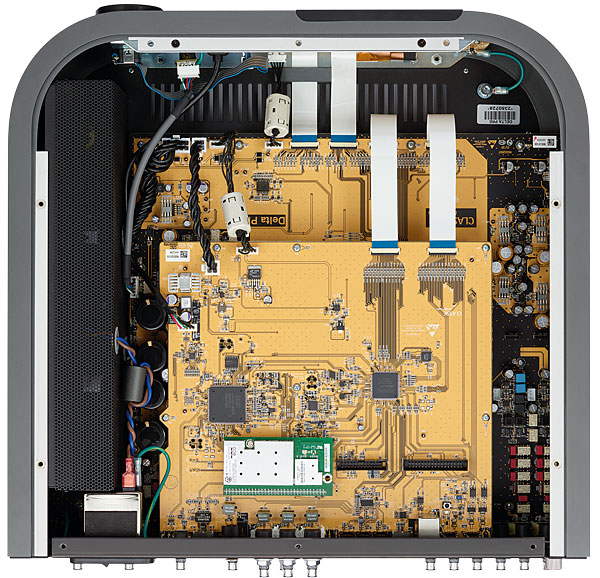
By any standards, the latest Classé Delta amps are a triumph, combining a hugely flexible and ultra clean-sounding preamplifier with power amplifiers as capable of mighty clout as they are revealing of the smallest of detail. They look the part, are superbly engineered and constructed to impeccable standards, and can cope with even the most complex of systems without any signs of compromise in their performance.

SHANLING M3X REVIEW
July 30, 2021 Comments Off on SHANLING M3X REVIEW
the M3X is a compact and light device, measuring 109mm x 72mm x 15.9mm and 168g. As for the layout, both the unbalanced and balanced outs are located on the top of the device and the USB-C charging port is located on the bottom along with the SD-card slot. On the left side of the device, there are three navigation buttons. Via those, you can skip tracks and pause or resume the playback. On the right side of the device, there is a volume pot that can be pressed on. It acts as a power button and looks very elegant with the notched design. Under the volume pot, there is a single LED that lets you know about the power status. It is really easy to use the device with one hand and it seamlessly fits into my jean pockets.

CRAFT EARS CRAFT SIX REVIEW
July 29, 2021 Comments Off on CRAFT EARS CRAFT SIX REVIEW
The bass is big and impressive but it’s not always in control, yet it has its stage purpose. The EM64 isn’t as refined, precise and clear sounding and the mids compared to the Craft Six are very light and to the back. Upper mids and vocals are forwardly tuned so you’re getting a more w-shaped signature here. The treble is also very different as it in the Craft six is more extended, refined and refined.

POLK AUDIO LEGEND L800 FLOOR-STANDING LOUDSPEAKER REVIEW
July 29, 2021 Comments Off on POLK AUDIO LEGEND L800 FLOOR-STANDING LOUDSPEAKER REVIEW
The Polk Legend L800s are a stone-cold bargain in the world of high-end loudspeakers. They deliver a true full-range sound from below 20Hz to above 20,000Hz. The soundstage brought forth by SDA Pro technology creates a unique listening experience. They can handle micro-dynamics with the finesse of a small monitor while delivering crescendos from a full-scale orchestra with ease. The L800s do not require an expensive amplifier to deliver a terrific performance, but if you want to power them with a five-figure amplifier, they are more than capable. For $5,998 per pair, I don’t know of any speakers that can deliver everything this Polk L800 system delivers. Highly recommended.


You must be logged in to post a comment.