Boulder 866 Integrated Amp Review
January 17, 2021 Comments Off on Boulder 866 Integrated Amp Review
https://audiophilestyle.com/ca/reviews/review-boulder-866-integrated-amp-r968/
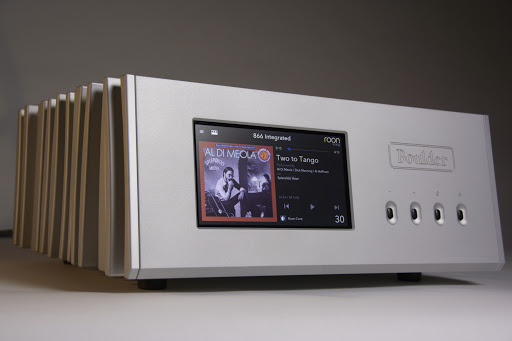
The analog and digital version certainly isn’t inexpensive at $14,450, but it’s a game-set-match component, just add speakers. The 866 Integrated looks really nice on my desk sitting next to my iMac and my headphone stand. The metal chassis is 100% Boulder, making it impossible to misidentify this amp as that from another company. The fit and finish are second to none. When it comes to sound quality, the main reason we are all into this wonderful hobby, the 866 Integrated is fantastic.
I wrote at the start of this review that an amp must be fantastic or else I’d hear its flaws through the SR1a headphones. The Boulder 866 delivers the goods flawlessly at all volume levels. I played everything from test tracks (not really fun, but necessary for evaluation) to tracks that grip me emotionally, and the 866 handle them all with ease. Reproducing incredibly wide dynamic range on bombastic symphonic pieces and the very fine details in Jewel Kilcher’s voice that bring out the emotion of an 18 year old busker from Homer, Alaska, the Boulder 866 is an all-in-one that can do it all.

Fleetwood DeVille Loudspeaker System $9,600 Review
January 17, 2021 Comments Off on Fleetwood DeVille Loudspeaker System $9,600 Review
https://audiophilestyle.com/ca/reviews/review-fleetwood-deville-loudspeaker-system-r969/
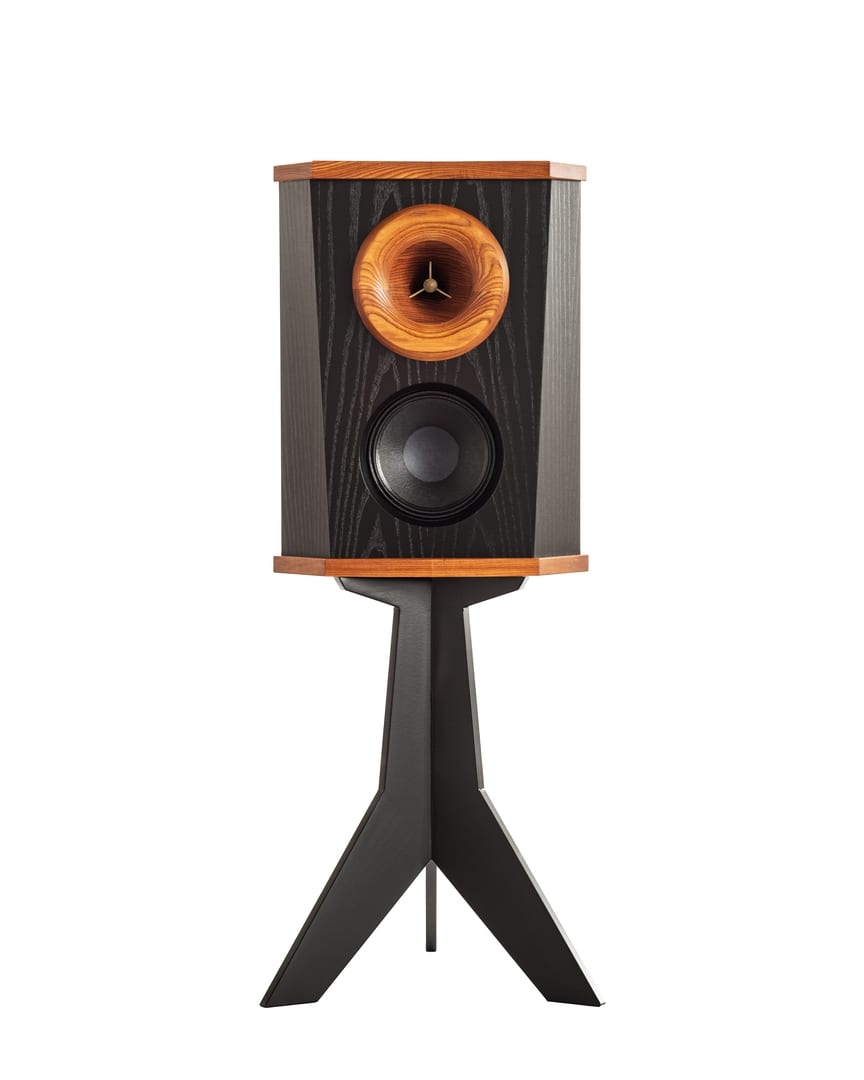
In today’s world, we have grown accustomed to instant gratification and an obsessive addiction to the yearly next best thing. Old school craftsmanship has become so rare: name one speaker company manufacturing cabinets from real wood, not MDF plus veneer. It’s exceedingly expensive, requires genuine artisans with wood working experience not to mention very specific tooling and above all is extremely labor intensive. Naturally, the world has moved away from those old guiding principles with very few exceptions. Yet it is precisely these methods that will ensure longevity beyond the norm. I have often said that even as today’s cars have become such unbelievable technology driven monsters, not one of them will work and function in thirty, forty, fifty years time. I can pretty much guarantee that these DeVilles will play just as well in 2060, as they do today. Finally, if I didn’t already have a house full of speakers, I’d buy these. I really would. They sing, they dance, they connect you to the music. That’s what matters. For a first effort, these are terrific examples of the old school world of manufacturing pride. If that’s your calling, I’d run to a showroom to audition them.
Benchmark Media Systems LA4 Line Amplifier and DAC3 B DAC Review
January 16, 2021 Comments Off on Benchmark Media Systems LA4 Line Amplifier and DAC3 B DAC Review
Suffice it to say that, as with every Benchmark product I’ve used or reviewed, everything works smoothly, precisely, flawlessly. I must single out for special mention the volume control. While the whole unit is completely relay controlled, with a total of forty “precision relays switching high-precision metal-film resistors,” each channel has its own gain control with 256 steps in 0.5dB increments. An accelerator facilitates rapid movement up and down the range while preserving the 0.5 steps, while exact channel-to-channel balance is maintained regardless of changes in level (if you’ve altered the balance to favor one channel, the imbalance is preserved through any level changes until you alter it again). The volume control is designed to generate a light “ticking” or “clicking” sound when used, which I liked. For one thing, it sounds cool; for another, the steps are so fine that without it you might not know you’ve made a change. By far, without question this is the best volume control I have ever encountered, capable of finer resolution of level increments than any in my experience (hard to imagine a set of conditions in audio usage where finer gradations would be required)


BRISE AUDIO ASUHA REF.2 REVIEW
January 16, 2021 Comments Off on BRISE AUDIO ASUHA REF.2 REVIEW
The overall strength and flexibility of the cable are really good. This isn’t the most flexible cable you would see, because of the no-compromise approach, but judging the materials and considering the fact that this actually is an 8-wire cable, this level of flexibility is actually a success. Looks-wise I think Brise Audio cables look quite charismatic and more serious than most. It particularly looks great with Custom IEMs in my opinion. One particular detail I liked is the cable slider which is made from genuine wood. It’s such a great and classy touch to this full black design.

AVR2 ELITE20 Isolation Transformer $6,999 Review
January 15, 2021 Comments Off on AVR2 ELITE20 Isolation Transformer $6,999 Review
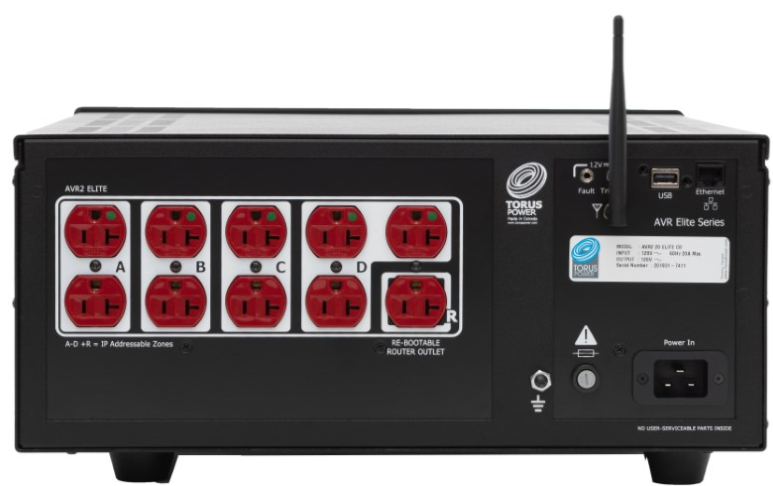
Taking nothing away from the performance of superb high end components like the Pass Labs X250.8 plugged directly into wall receptacles, the benefits of the Torus Power AVR2 ELITE20 Isolation Transformer are too apparent to ignore. Besides protecting them from potentially damaging AC power incidents and providing excellent remote Web monitoring and controlling options, with its extraordinary toroidal isolation, it delivers the ultimate in clean and instantaneous current, allowing them to achieve their full potential. And, for that, I give it a hearty

LIVING VOICE AUDITORIUM R25A FLOORSTANDING LOUDSPEAKER REVIEW
January 15, 2021 Comments Off on LIVING VOICE AUDITORIUM R25A FLOORSTANDING LOUDSPEAKER REVIEW
Living Voice Auditorium R25A Floorstanding Loudspeaker
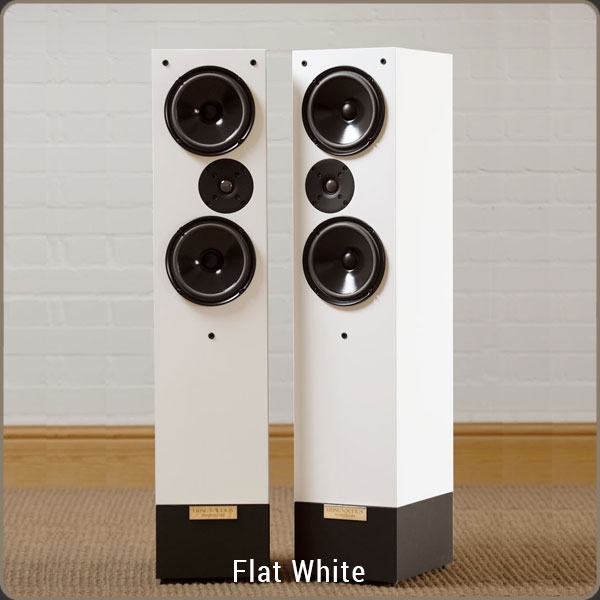
Coherent and articulate, dynamic and oozing musical intent, it’s clearly not a question of whether this latest Auditorium is recommendable at the price, but whether it’s sensible or even safe to ignore it. Living Voice’s compact floorstander established the form factor and set the bar 25-years ago. Two-and-a-half decades on and it’s just hoist that bar again – but this time with a considerably broader reach as well as setting it considerably higher. A shade over £5K is a long way from beer budget, but then the Auditorium R25A is so consummately capable and confidently superior that you can forget more affordable alternatives; this baby shows many more ambitious and much more expensive speakers exactly how it should be done as well as unlocking a world of affordable system options – systems that are, in turn capable of remarkably consummate musical performance. Bargains don’t come much more elegantly packaged or musically compelling than this – and make no mistake, the latest Living Voice is a very serious bargain indeed. If you’ve got £5,000 to spend on speakers you need to hear these one. If you’ve got £10,000 to spend on speakers, you still need to hear these – the Auditorium R25A really is that good.
GERSHMAN ACOUSTICS GRANDE AVANT GARDE LOUDSPEAKER REVIEW
January 13, 2021 Comments Off on GERSHMAN ACOUSTICS GRANDE AVANT GARDE LOUDSPEAKER REVIEW
Gershman Acoustics Grande Avant Garde Loudspeaker
By now it should be pretty obvious that the Grande Avant Gardes do big, do bass and do imaging. They also do natural and naturally expressive. It’s a particularly impressive overall performance and balance of virtues. It ain’t hard to get big bass out of modest boxes – if you are prepared to accept a crippling electrical load, low efficiency and the sort of constipated dynamics that result in a total failure to emote. The fact that the modestly proportioned GAGs achieve the scale and bandwidth that they do, while neatly side-stepping the practical and musical pitfalls that so often result is testimony to the efficacy of their chosen solution(s). The explanation offered for the operation of the separate bass enclosure is either disarmingly or disingenuously simple – but there’s no ignoring the speakers’ low frequency performance. Likewise, the small, non-parallel and heavily braced cabinet panels suggest a low-storage enclosure, its reluctance to contribute to the sound or interfere with the music ample recompense for the cost and complexity of construction. Building a two-part cabinet this shape is never going to be cheap or easy, but in the end the results justify the means, results that certainly stand out from the crowd. Just listen to a pianist shape a phrase, accelerating through it or pausing for affect and the absence of slurring, lag or hesitation in the notes tells its own story. This is one speaker system where the music doesn’t have to drag the cabinet with it. Instead, performances proceed at their player’s pace, fast or, just as importantly, slow. Unlike a speaker or amp that leans on the leading edge to add pace to proceedings, the Gershmans allow notes freedom of passage, without editing, cropping or giving them a push. This lightness of touch is especially apparent in slow movements, with poise, grace, delicacy and pathos all equally part of the GAGs musical vocabulary. They deliver the full emotional range, whether its expressed reflectively or explosively – and they transition from one to the other with an enthusiastic fluidity that makes most other speakers at this price level sound stilted and constricted. It’s a sure indication that as a design, they are sorted, both electrically and acoustically/mechanically.

Conrad-Johnson CAV-45S2 $4,995 REVIEW
January 13, 2021 Comments Off on Conrad-Johnson CAV-45S2 $4,995 REVIEW
REVIEW: Conrad-Johnson CAV-45S2
There’s a thing about tubes that when it’s delicious, you can’t forget it. But it’s a road with a lot of detours. If your experience has mirrored mine at all, no doubt you’ve heard amplifiers with a silky smooth high end, others rendering a three -dimensional space that is so beguiling you might think you were under the influence of hallucinogenic drugs, yet others offer a delicacy that’s almost intimate enough to be obscene.
The CAV-45S2 offers all of this and a well-defined lower register to boot. Whether I was listening to bass-heavy ambient tracks or heavily layered vocals, it comes through like few others. The presentation that the CAV-45S2 provides is deceptively simple. Should you place one in a system achieving an excellent match, you’ll not only find yourself losing track of time while listening, but you’ll also question why you didn’t do this earlier.


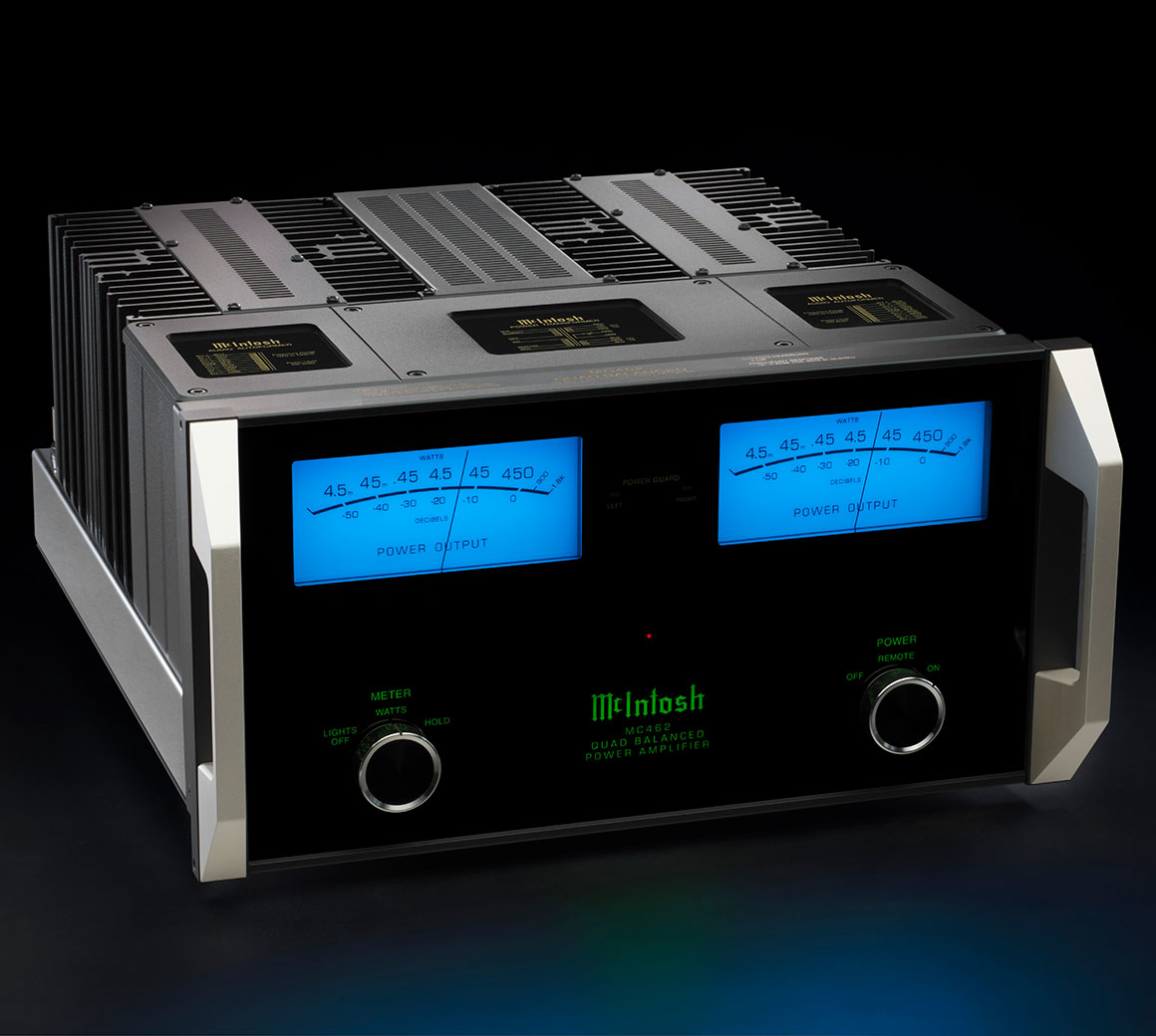
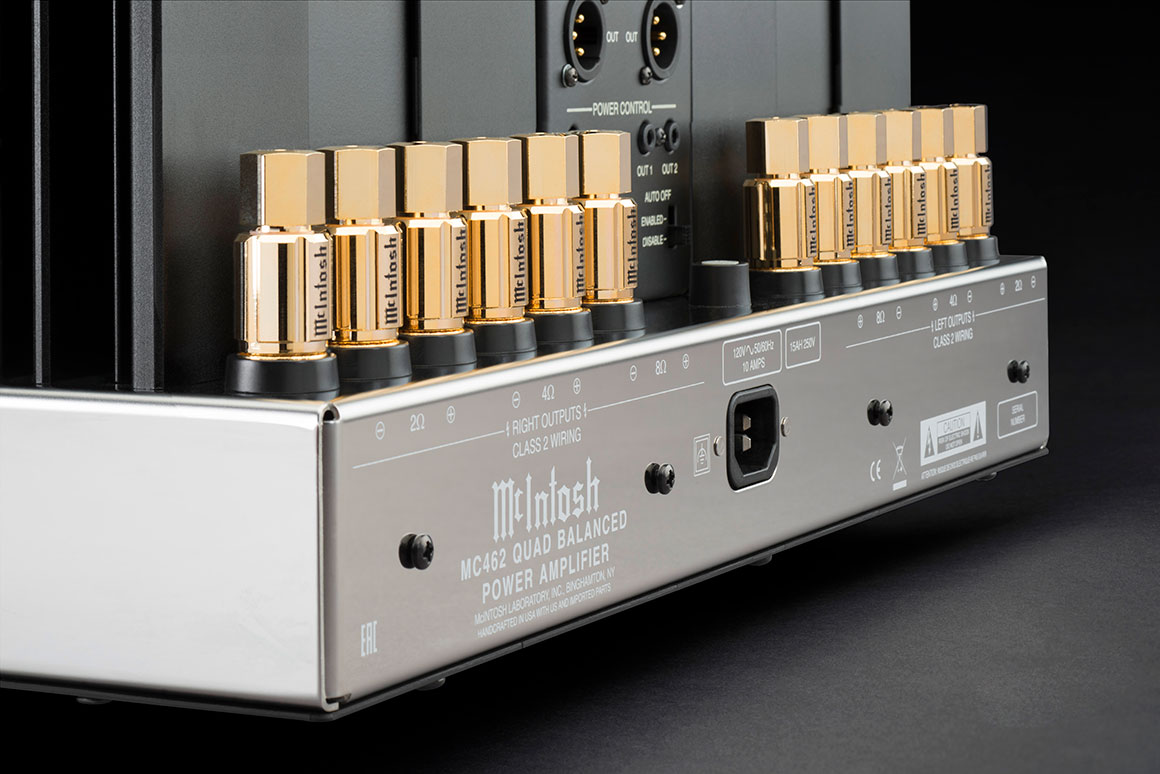
MCINTOSH C2700 2-CHANNEL VACUUM TUBE PREAMPLIFIER AND MC462 POWER AMPLIFIER $9000 REVIEW
January 12, 2021 Comments Off on MCINTOSH C2700 2-CHANNEL VACUUM TUBE PREAMPLIFIER AND MC462 POWER AMPLIFIER $9000 REVIEW
A great reference system truly is a sum of its parts. If you take high-end components, pair them with entry-level speakers, with entry-level sources, and place them in a less than ideal space, you most likely won’t be blown away by what you hear. The McIntosh C2700 Pre-Amplifier and MC462 Power Amplifier are monsters. They are big, expensive, and beautiful slices of high-end audio. They deserve to be paired with reference-level speakers and the best sources and connections possible.
If you’re ever afforded the opportunity, you should give them a listen. Once my kids are older and I have some expendable income. I too will finally pick up my own preamp and power amp combo. My listening room will be sound treated, and my reference speakers will be befitting of the electronics. And McIntosh will be the first brand I audition.
Rogue Audio DragoN Power Amplifier $3995 Review
January 12, 2021 Comments Off on Rogue Audio DragoN Power Amplifier $3995 Review
In the upper reaches of the high end, there are just a handful of glitter-glam companies that seem to inhale most of the air in the room. Most of us know their names. Granted, they’re dazzling, exquisitely engineered, with musicality to burn. However, to my way of thinking Rogue Audio generally, and the DragoN in particular, represents amplification that in its muscular performance and uncommon value should be equally celebrated. Rogue Audio’s contributions have been vastly underrated in my view, and the DragoN provides even further and unassailable evidence. Not just another high-powered beast, the DragoN is a truly splendid piece of electronics that can proudly grace any system.


You must be logged in to post a comment.