Meze Rai Penta Review
January 23, 2020 Comments Off on Meze Rai Penta Review
“I call out this track particularly because it is recorded outside, so it has that kind of dry ambience outdoor recordings have, and it is hyper-detailed and dynamic with fairly gentle limiting. My initial impressions were that the Rai Penta was editorializing a little on the transients – that I wasn’t getting as much impact as some recordings. My impression of this was due to the aforementioned lack of pressure I was hearing on this IEM. The “Woods” track, and say the Peter Dominguez Track “Bossa Nova Nemo” actually have plenty of transient and dynamic information, so I after listening to these I came to a different conclusion entirely. I think what I’m hearing is a what might be considered a very ‘open’ decay characteristic, similarly to the difference between open and closed headphones.”


iFi ZenDAC Review
January 22, 2020 Comments Off on iFi ZenDAC Review
https://www.innerfidelity.com/content/ifi-zendac-review
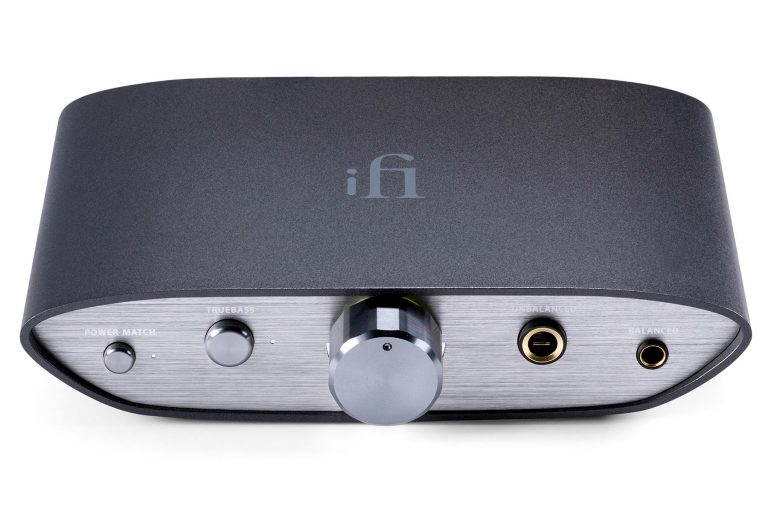
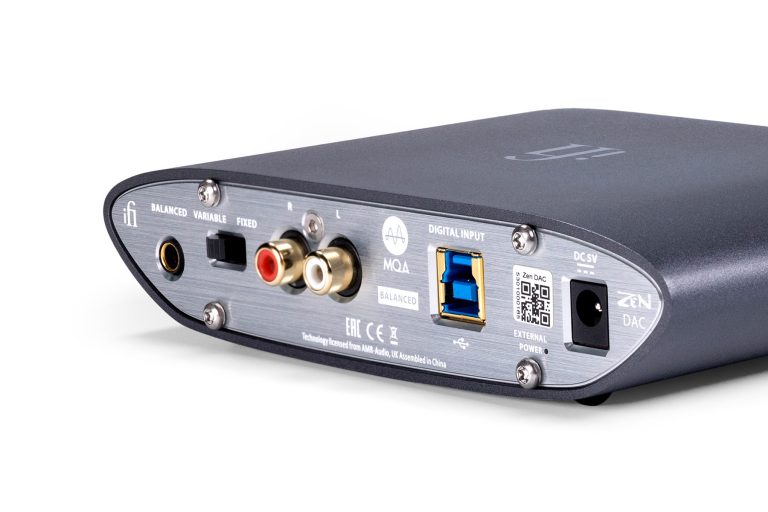
“While that might sound relatively modest compared to smaller desktop amps which now routinely offer several full watts of power, there’s been a bit of confusion about what exactly the result of that is. More power does not determine a system’s volume – that is in fact determined by gain. A lower powered amp will actually sound louder than a higher powered one if it has more gain at a given input. Power is more important in determining what the maximum current or voltage a device can swing into a transducer when hit with musical peaks as well as how loud waveforms are. So, think of power as being a rough indicator of how dynamic a system can be, and gain as determining its relative loudness when listening. I’m grossly oversimplifying and all the electrical engineers are squirming, but I think you get the point.”
Arendal Sound 1961 Subwoofer 1S review
January 22, 2020 Comments Off on Arendal Sound 1961 Subwoofer 1S review
https://www.homecinemachoice.com/content/arendal-sound-1961-subwoofer-1s-review
What this well-priced woofer won’t do is completely overwhelm you in subsonic mayhem. For larger setups and bass obsessives, the vented Subwoofer 1V model, which claims to hit 16Hz, might be a better fit – as long as its bigger cabinet and €200 price hike can be accommodated.
A more obvious criticism concerns usability. Ideally, the parametric EQ and other features would be accessed via a smartphone app. The sub’s dial/button arrangement is simplistic and intuitive, but making adjustments is long-winded, and the back of the woofer might not always be easily accessible depending on

CHORD ELECTRONICS MOJO DAC AND POLY STREAMER Review
January 21, 2020 Comments Off on CHORD ELECTRONICS MOJO DAC AND POLY STREAMER Review
https://hometheaterhifi.com/reviews/dac/chord-electronics-mojo-dac-and-poly-streamer/
“I am a tech person, so I did it all myself and thought it was kind of fun to figure it all out and troubleshoot issues. If you’re a Luddite or even a person for whom that sort of tech adventure sounds less than fun, maybe the Poly isn’t for you. As apps and their features change, you’ll need to adapt. The only thing that worked without any third party setup was Airplay streaming from the Apple music player on the phone. If the Poly is on the network (either hotspot or normal), Airplay just works. MPD using Rigelian was also straightforward unless the app decides it needs you to renew the purchase of the full version without the internet being available. This happened once to me on a plane and I had to make do with the limitations of the free version of Rigelian until I got to my destination. And with any complicated system, stuff breaks. The Poly relies on a Wi-Fi connection working and properly set up. This is your problem and requires some knowledge of Wi-Fi setup to get right. I could not imagine someone like, say, my father having any hope of successfully using the Poly. I thought it was great, though.”

Audeze LCD-1 Review
January 20, 2020 Comments Off on Audeze LCD-1 Review
https://www.innerfidelity.com/content/audeze-lcd-1-review
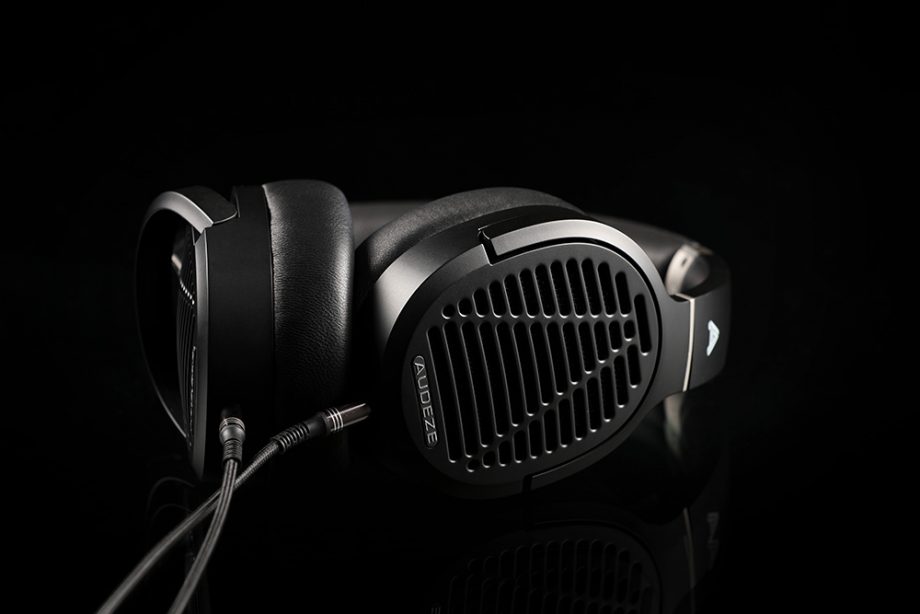
” do detect what I hear as a bit of a dip at 6kHz and again at just under 8kHz, but the treble is remarkably even up into the highest musically-useful frequencies. The very slightly-relaxed presence region doesn’t dip below the treble shelf, and this plays a big part in helping the treble sound very clear without sending things out of wack. Upper midrange/lower treble dips can sometimes make the higher treble sound too bright by comparison, but the evenness of the treble on the LCD-1 doesn’t have this issue. The slight dips I detected at 6kHz and other treble frequencies may help with with the simultaneous feeling of clarity and relaxedness of the LCD-1. The detail of this presentation is very good, though I can see some trebleheads craving a slightly brighter one just to feel they’re getting a last scooch of detail. I personally prefer a more even treble, and the LCD-1 delivers that in spades. The slightly relaxed upper midrange I mentioned also helps this feeling of simultaneous clarity and warmth.”
Pass Labs XP-12 Preamplifier Review
January 20, 2020 Comments Off on Pass Labs XP-12 Preamplifier Review
https://hometheaterreview.com/pass-labs-xp-12-preamplifier-reviewed/
“
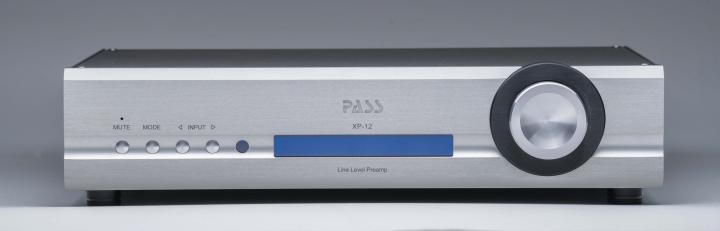
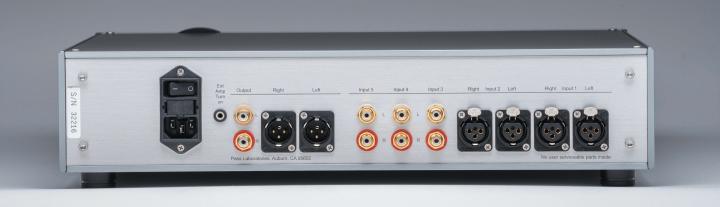
I did all my evaluation of the XP-12 in my dedicated home theater. With the preamplifier positioned dead-center between a pair of Pass Labs XA-60.8 monoblock amplifiers, the preamp appeared diminutive by comparison, despite its rather standard 17-inch width, 12.5-inch depth, and four-inch height. Despite the visual disparity, this location provided plenty of wiggle room for secure attachment of Wireworld Eclipse 8 balanced interconnects and speaker cables.
I connected NAD’s M17 V2 Surround Sound Preamp Processor to input five of the XP-12 to take advantage of the home theater bypass function. My primary source for this review was an Oppo BDP-105D Blu-ray Disc player and streamer. With the Oppo’s HDMI output already connected to the processor, I ran the balanced analog outputs of the player directly to the XP-12. In this configuration, the Oppo would use both its digital HDMI and analog outputs, providing an easy comparison of both preamplifiers.”
Qobuz review
January 19, 2020 Comments Off on Qobuz review
https://www.whathifi.com/us/qobuz/review
That makes Qobuz £25 / $25 per month at its most affordable, and £300 / $250 per year at its most expensive. There’s no free tier, soon there won’t be an MP3-tier, and the hi-res tier is significantly more expensive than that offered by Tidaland Amazon Music HD.
Qobuz’s comparatively high price is partly justified by its exhaustive library of hi-res music. Recent figures put the total number of hi-res tracks at over 2m, while Tidal claims ‘only’ over 1m. Numbers rarely tell the whole story, but we regularly find hi-res albums on Qobuz that are available in only CD-quality on Tidal.

SMSL SP200 THX 888 REVIEW
January 19, 2020 Comments Off on SMSL SP200 THX 888 REVIEW
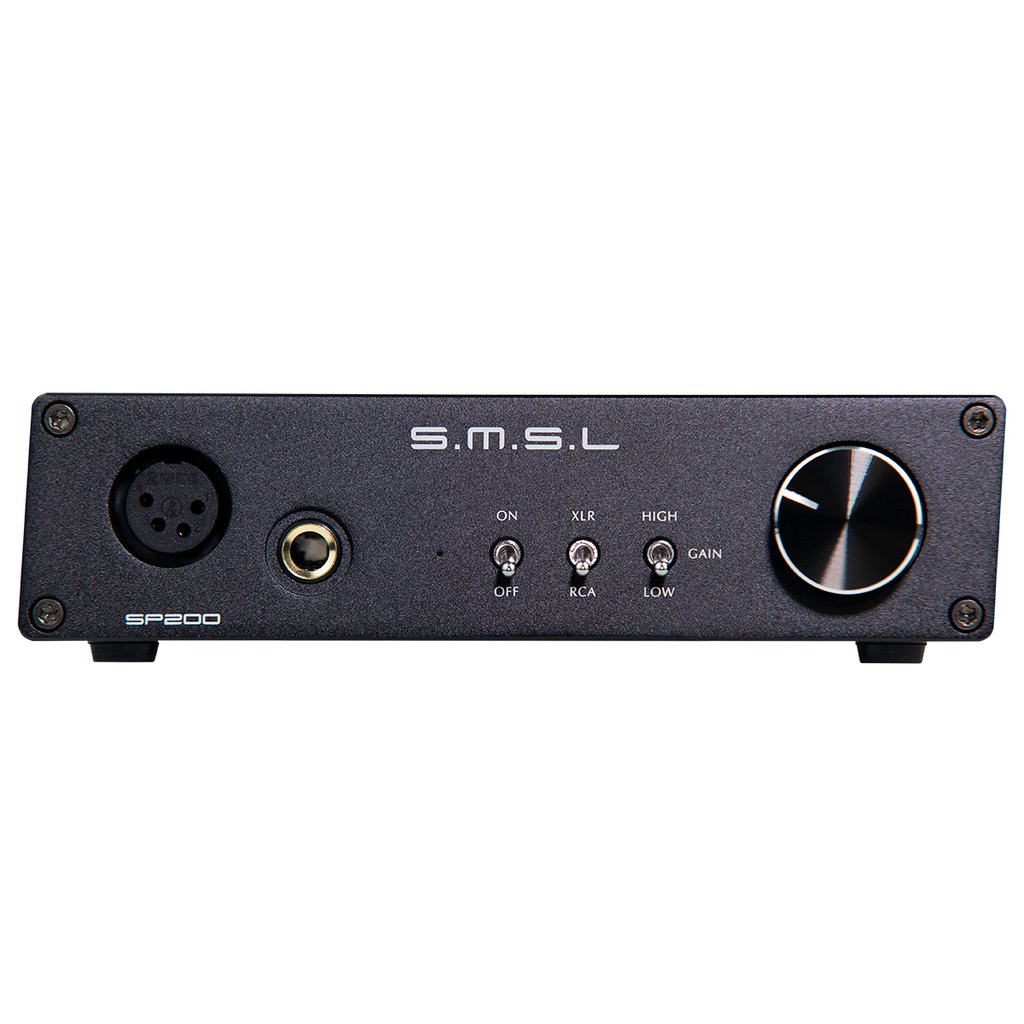
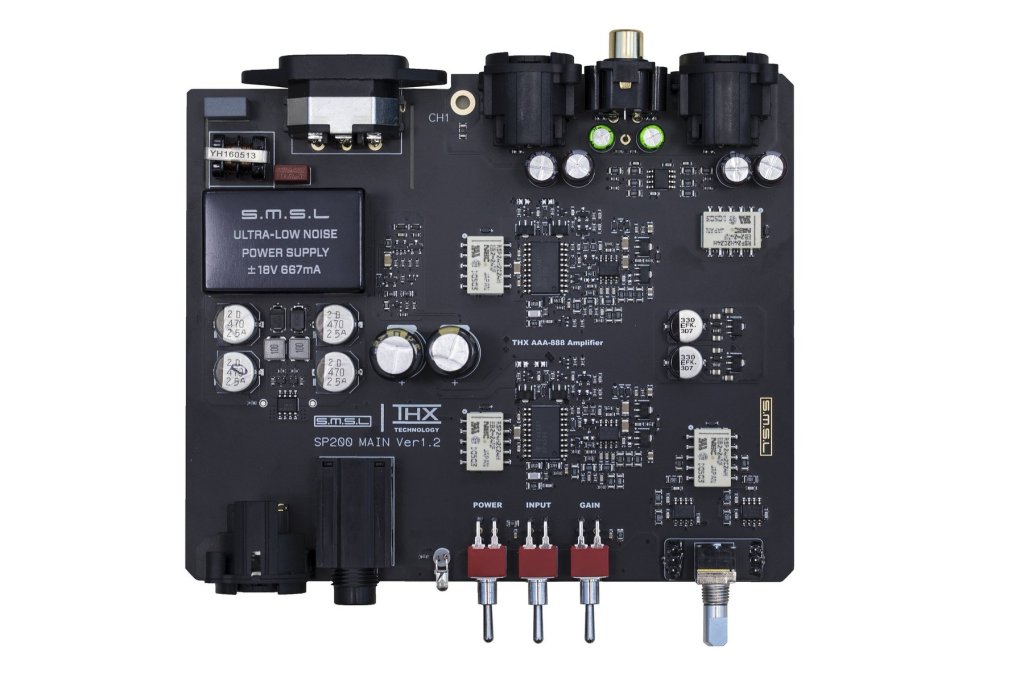
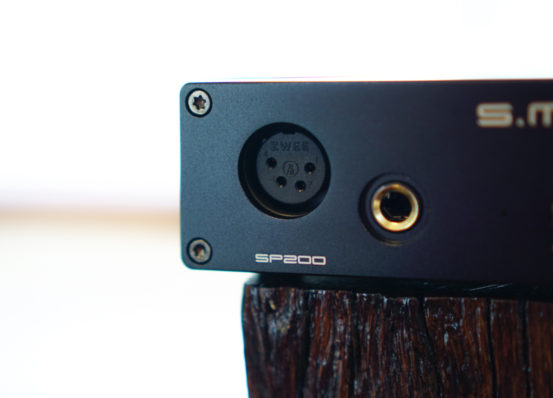
“The given power ratings are identical for both balanced XLR and single-ended outputs on the SP200, unlike the Drop THX amp which outputs considerably less power to its single-ended headphones. Swapping out single-ended for XLR cables on the MrSpeakers Aeon Flow Open does indeed prove that the sound pressure levels are identical for both XLR and 6.3mm connections, implying that the topology of the SP200 is not fully balanced from end to end. This being the case, the provision of the four-pin XLR output is there for convenience and compatibility more than anything else. But, it does mean that the SP200’s single-ended performance is markedly stronger than its competitors, and worth noting if you plan on using single-ended headphones. “
Cary Audio DMS-600 Network Audio Player Review
January 19, 2020 Comments Off on Cary Audio DMS-600 Network Audio Player Review
https://www.stereo.net.au/reviews/cary-audio-dms-600-network-audio-player-review
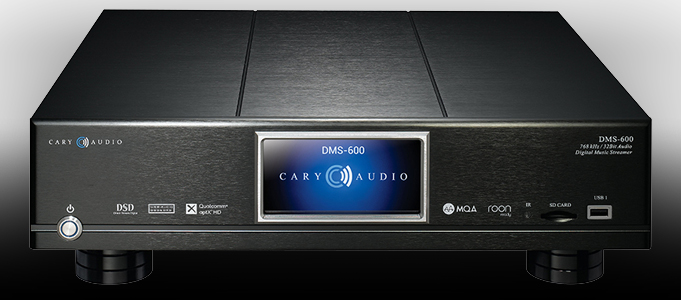
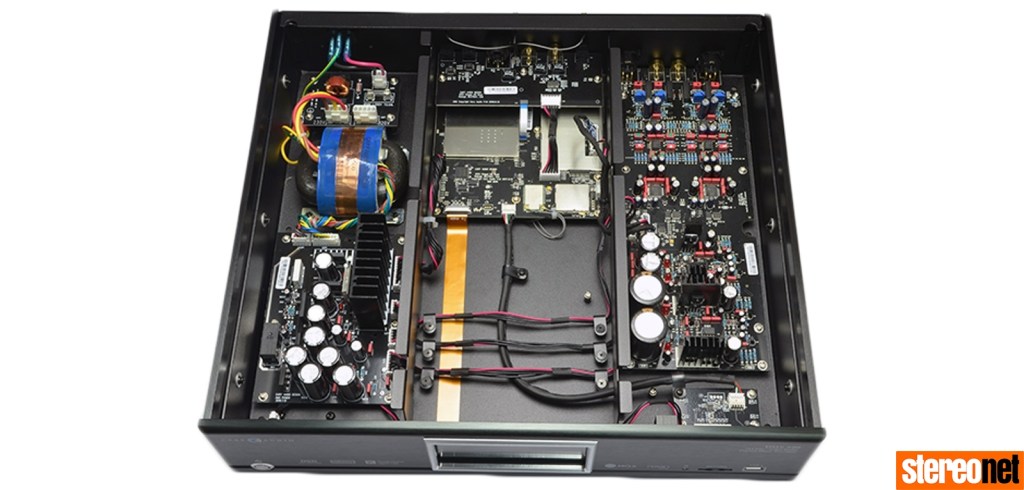
“The whole album was well recorded back in 1993, with the orchestra arranged masterfully – and Linda’s voice is recorded in a relatively uncompressed way. Her vocal track is mostly sung fairly quietly, but in a couple of places she allows us to hear some of her vocal range which can come over as sharp or even annoying at times. Despite this, played through the DMS-600 everything was well contained and never lapsed into harshness. The sound remained smooth and well apportioned, especially the orchestral strings. The saxophone solo can get a bit lively through some digital front ends, but was natural and enjoyable for the duration of the song. Despite this, the player didn’t make the track sound overly sanitised in an attempt to calm down any wayward tonal tendencies. Instead, it preserved all the detail, transparency and dynamics – in short, the Cary has the rare ability to play music without it sounding either bland and whitewashed, or too sharp and forward. The AKM DAC chips have the moniker of ‘Velvet Sound’, and in this case at least, it proved a fitting summary of the player’s character.”
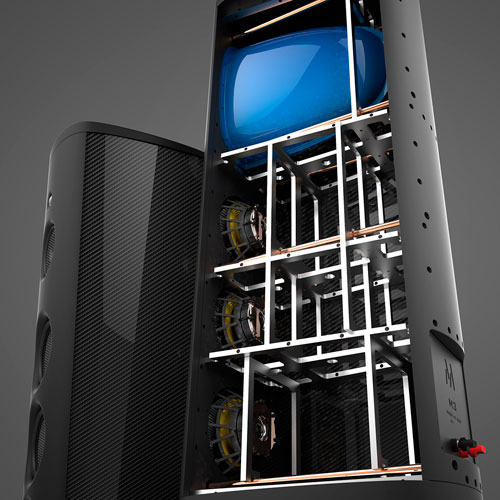
Magico M6 $172,000 per pair Review
January 18, 2020 Comments Off on Magico M6 $172,000 per pair Review
http://www.theabsolutesound.com/articles/magico-m6/
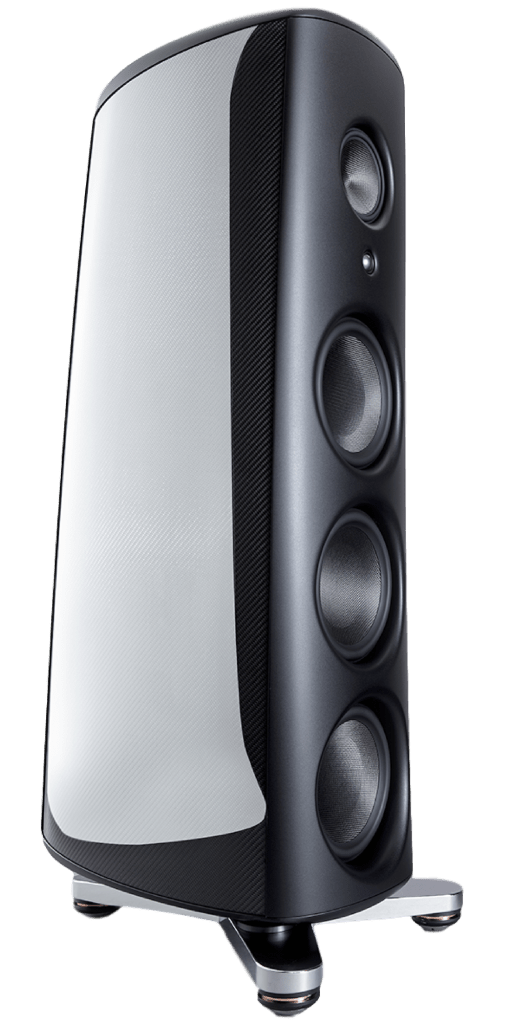
“The three MPod feet that support the tripod on which the enclosure rests are very sophisticated devices that do more than couple the speaker to the floor. Magico calls the MPod a “noise-channeling support system.” Cones and spikes perform the important function of coupling the speaker to the floor so that the cabinet vibrates less. This anchoring effect makes the cabinet more resistant to moving in response to driver motion. But cones and spikes don’t dissipate vibrational energy. The ideal loudspeaker-to-floor interface would thus provide the anchoring effect of spikes, along with vibration dissipation. That’s the theory behind the MPod. The device employs constrained layer damping that is tuned so that the MPod provides solid coupling to the floor below 300Hz, but attenuates noise and vibration above that frequency. The damping material, which was reportedly developed for NASA, is so thoroughly researched that the designer using it can specify the precise frequency at which the material begins attenuating vibration. Note that the MPod’s lower hemisphere isn’t connected with hardware to the speaker, but rather through the constrained layer damping mechanism. The MPod is usually shipped with a pin inserted through the device that is removed once the MPod is installed. Removing the pin engages the constrained layer damping structure. It is thus possible to hear the effect of the device by pulling the pin. Unfortunately, the review samples had made the rounds of audio shows and weren’t shipped with pins, so I was unable to hear this comparison.”


You must be logged in to post a comment.