REFERENCE 3A TAKSIM LOUDSPEAKER
October 10, 2015 Comments Off on REFERENCE 3A TAKSIM LOUDSPEAKER
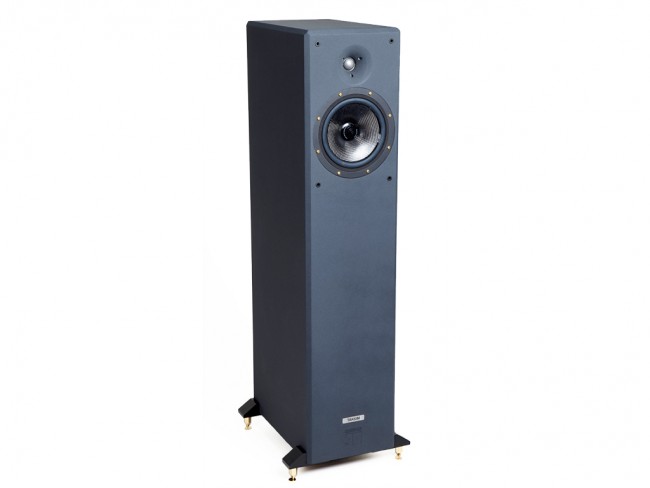
One of the most critical components in my audio system is the software for the Anthem Room Correction DSP algorithm that’s put to use whenever I introduce something new to my listening environment—speakers, cables, amplifiers, a change in the position of the sofa, anything. Measurements are taken with a calibrated microphone from eight room locations; the numbers are crunched and the eq settings uploaded from a laptop to my Anthem D2v processor. It’s quite easy to turn the room correction on and off while listening, but I can no more imagine assessing a speaker without it than I could a reviewer who has “tuned” his room by physical means removing every trap, diffuser, and absorber he painstakingly placed to optimize his acoustic milieu. With every loudspeaker I’ve measured in my room, there have been significant dips observed both in the midbass and around 15kHz, and those anomalies were present when the Taksims were calibrated. I ran room correction full-range for my critical listening all the way out to 20kHz.
Line Magnetic Audio LM-518IA integrated amplifier
October 9, 2015 Comments Off on Line Magnetic Audio LM-518IA integrated amplifier
Read Here
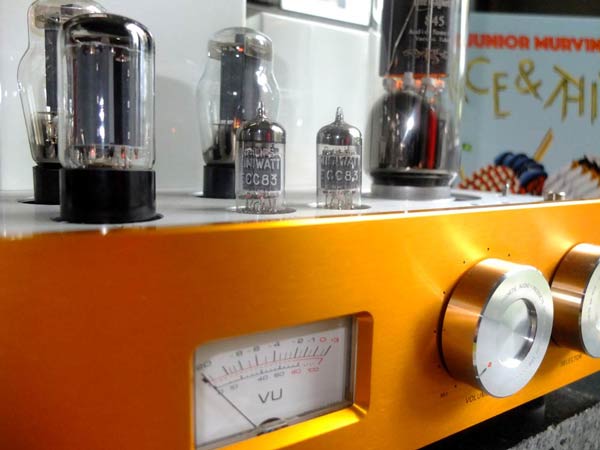
This is where it all began. Before there was Herb at Stereophile, there was Herb listening like a keen-eared dog to the DeVore apes singing by the light of the bright emitters. This combination did virtually everything I need a system to do: tuneful, clean, big-magnet, organic, paper-cone bass; rich, present, colorful, real-human-being–sounding voices; and instruments with consistently right-on timbres. The DeVore O/93s are chameleon-like speakers that have helped me discover that class-D, class-A, solid-state, push-pull, pentode, single-ended triode—all can be perfect paths to musical pleasure. The pairing of Orangutans and LM-518IA blazed one of those perfect paths.
Sunfire XTEQ10 Subwoofer Review
October 9, 2015 Comments Off on Sunfire XTEQ10 Subwoofer Review
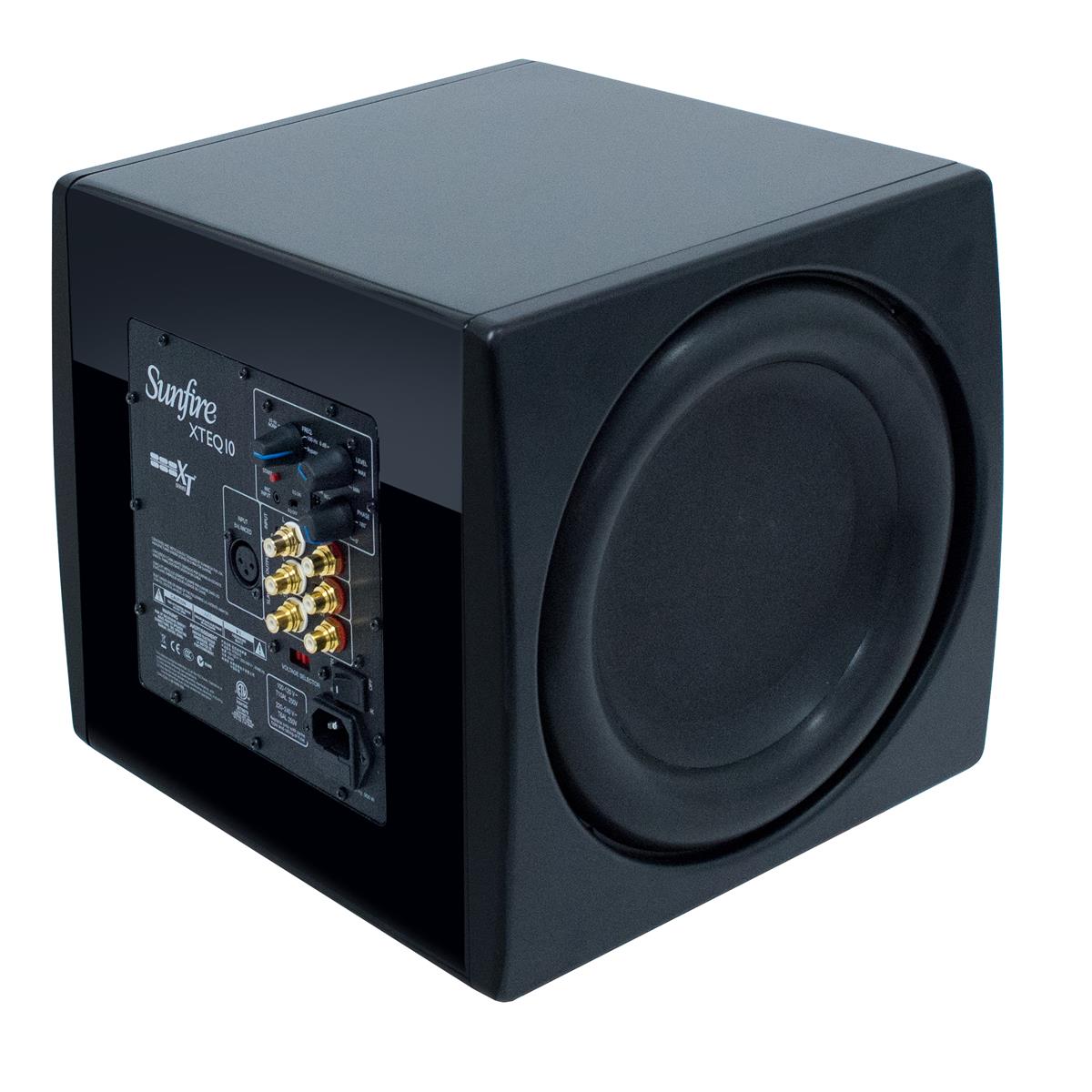
The differences between these two subs are less apparent on music, though. In fact, in many ways, I preferred the Sunfire because the bass was tighter on some tracks. I’ve been on a Train kick lately and can’t seem to get “50 Ways to Say Goodbye” out of my head. The song starts with a mariachi band before the bass track kicks in and its free-flowing spirit starts to shine. The XTEQ10 was extremely musical and never left me wanting in any way—and at levels needed to rock out, the 10-inch active woofer was pulsating like a madman.
Read more at http://www.soundandvision.com/content/sunfire-xteq10-subwoofer-review#fj2xvgfD1y0dClzb.99
Hifiman HE1000 Headphone Review
October 8, 2015 Comments Off on Hifiman HE1000 Headphone Review
Directly comparing the sound of the HE1000 with an Audeze LCD-X open-back planar magnetic headphone was a fascinating exercise. The LCD-X is an awfully good headphone, but it sounded smaller, dimensionally flatter, and more opaque with a 192-kHz/24 bit hi-res FLAC file of David Chesky’s new orchestral work, Joy and Sorrow. The HE1000 presents a clearer window to the sound. Bass slam, dynamics, definition, and texture are stunning; you hear deep into the bottom end of your recordings with rare precision. The HE1000’s highs are supremely sweet, airy, and hyperextended, which seems to play a role in liberating the soundstage from the ear cups.

THE PREAMP + THE SILVER BULLET OTL
October 8, 2015 Comments Off on THE PREAMP + THE SILVER BULLET OTL
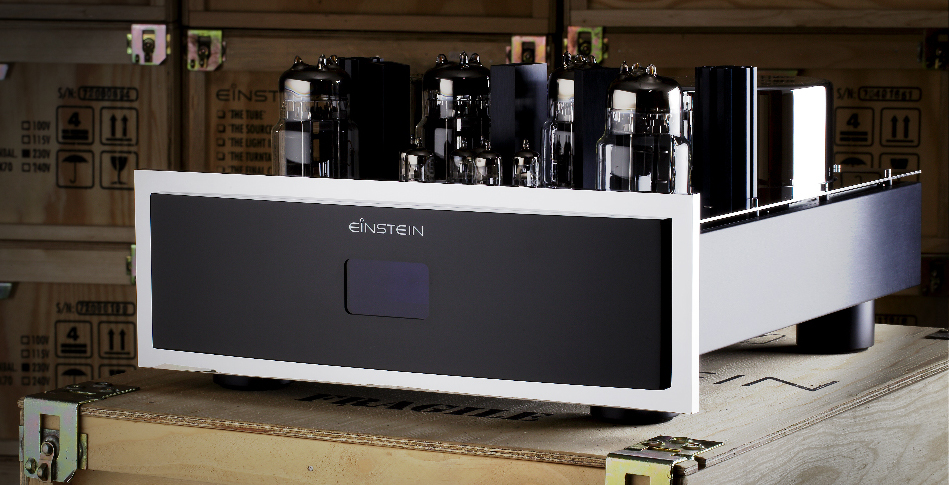
Before we changed anything else in my system, we heard my standard set-up with The Preamp instead of the EAR 912, which I liked for its dynamic, powerful and meaty sound – and for its technical studio appearance. Visually, the shiny Einstein Preamp is the total opposite. What is more, the unique and technically convincing way of switching the inputs, because of which changing the active input takes some time, is the last thing a reviewer who wants to make quick A to B comparisons would happy about.
AUDIO RESEARCH REFERENCE 75SE STEREO POWER AMPLIFIER
October 8, 2015 Comments Off on AUDIO RESEARCH REFERENCE 75SE STEREO POWER AMPLIFIER
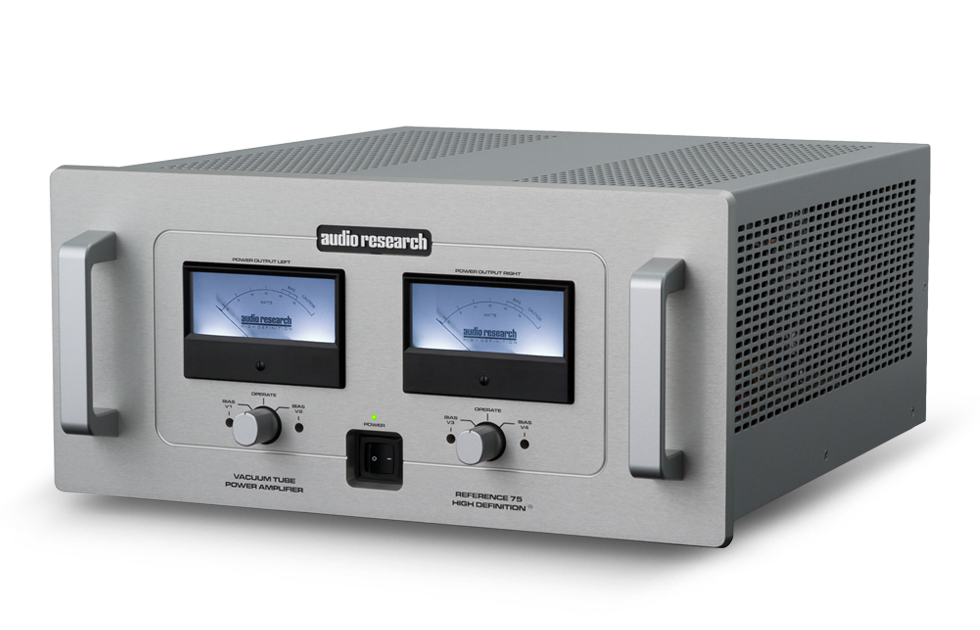
By now, listening to classical and the obligatory well-worn test recordings was almost a formality. The Reference 75 SE harnessed that grace and fluidity of mid-range of great Audio Research amps, included the surprisingly powerful bass of its predecessor, and pulled everything together to make you want to bask in its presence for hours on end. There was nothing that fazed the Reference 75 SE and in partnership with the Wilson Duettes and especially with a Nagra HD DAC and ARC Ref 5 SE front end, this was the kind of sound you could listen to with no need to change for decades. Bigger, more upscale ARC buys you more power for bigger systems and rooms and gives you slightly more finesse to the top end, but as the best bang for your ARC-shaped bucks, you can’t get better than this right now!
Cambridge Audio Azur 851N Network Music Player-DAC-Digital Preamplifier
October 7, 2015 Comments Off on Cambridge Audio Azur 851N Network Music Player-DAC-Digital Preamplifier
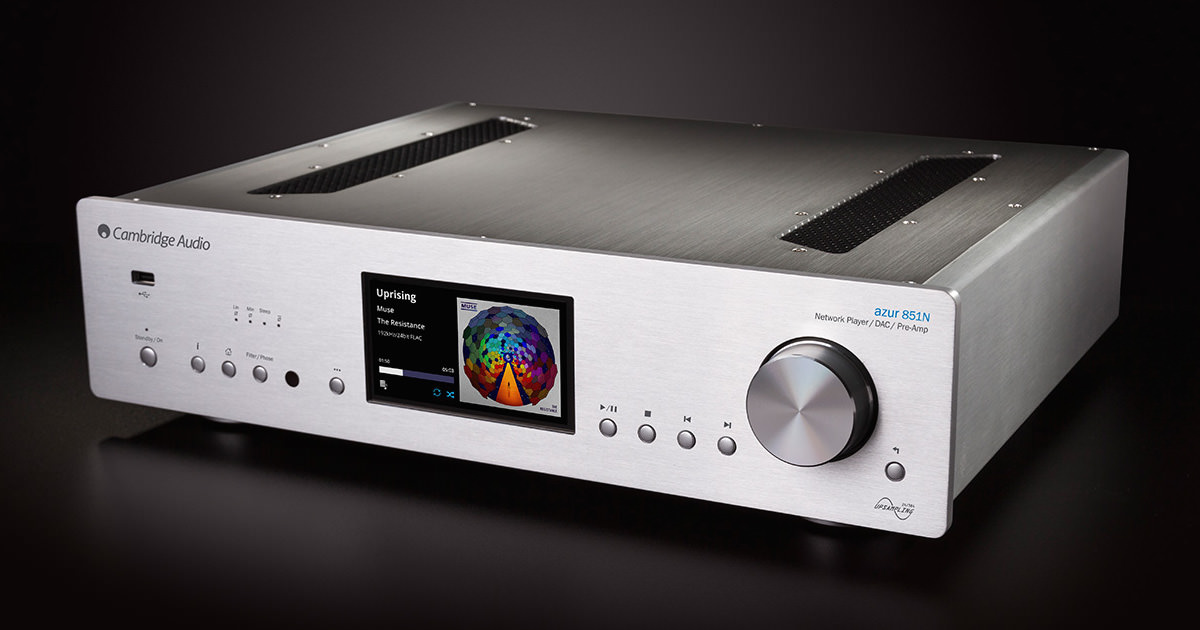
No DAC should have a tailored frequency response, and the Cambridge Azur 851N didn’t. It sounded as flat and linear as every other DAC I’ve heard in the past couple of years. For the first week or so of background listening, I struggled to pick out what set the Cambridge 851N apart from the Benchmark DAC2 DX that had been in my system for the preceding several months. Slowly but surely, I spotted a couple of fine differences.
MAGICO M PROJECT LOUDSPEAKER $129,000
October 6, 2015 Comments Off on MAGICO M PROJECT LOUDSPEAKER $129,000
While the D-5’s ported bass and contoured frequency response are laughably “inaccurate” by Magico’s linear, low-distortion standards, the D-5 is anything but laughable in the listening. The added mid-to-upper bass sock that this speaker generates, the dark, rich, beautiful tone color from top to bottom, the Magico-equaling transient speed, and the superb treble are, in the words of my friend and colleague Andre Jennings, “simply addictive.” Another way of putting this is that the D-5 and the Wilsons are gorgeous, powerful, and finely detailed on every kind of music. Whether they also sound plausibly like the real thing on every kind of music is a different question. But let me say something else here that’ll rock the boat. For most listeners, the absolute sound doesn’t matter. Let me repeat that again: For most listeners, the absolute sound doesn’t matter. For most listeners, it is the effect of the absolute sound (or of the canned one, for that matter)—the horripilating visceral excitement and ravishing beauty of music and not a fool-ya simulacrum of, oh, a violin or a piano—that matters most.

Krell Solo 575 monoblock power amplifier
October 6, 2015 Comments Off on Krell Solo 575 monoblock power amplifier
Both versions sounded better than I’d ever heard them—but that was because I hadn’t heard this album in many years, during which time my system has greatly improved. What I learned was that the original pressing’s richer sound came at the great expense of image precision, focus, and clarity. The reissue put all of the instruments and voices in far more precise focus, though the warmth of Young’s voice in the original was now somewhat harsher. The bottom end had greater punch and precision. Though I found the reissue better focused overall, especially the drums, I could make a case for either pressing—and both demonstrated that the Solo 575 didn’t produce the velvety transients and textures I expect from class-A. With both pressings, the cymbals sounded neither romantic nor soft. In fact, they were a bit crunchier than I’d expected

CUSTOMART EI.3
October 6, 2015 Comments Off on CUSTOMART EI.3
Going balanced either works or it doesn’t for monitors. In example the Lime Ears Aether (5-driver) becomes sublime when using it in balanced configuration but the Ei.3 is one of those monitors that sound best when used single ended. In balanced you do get a more clear and spacious sound with more room between the instruments, but the mids and especially the great bass Peter put into the Ei.3 kind of disappear. When using the stock single ended cable on a non-balanced output you get good body, great impact and better focus. I fully advise to listen to the Ei.3 unbalanced but you should of course try it yourself.



You must be logged in to post a comment.