Astell & Kern AK Jr review
September 12, 2015 Comments Off on Astell & Kern AK Jr review
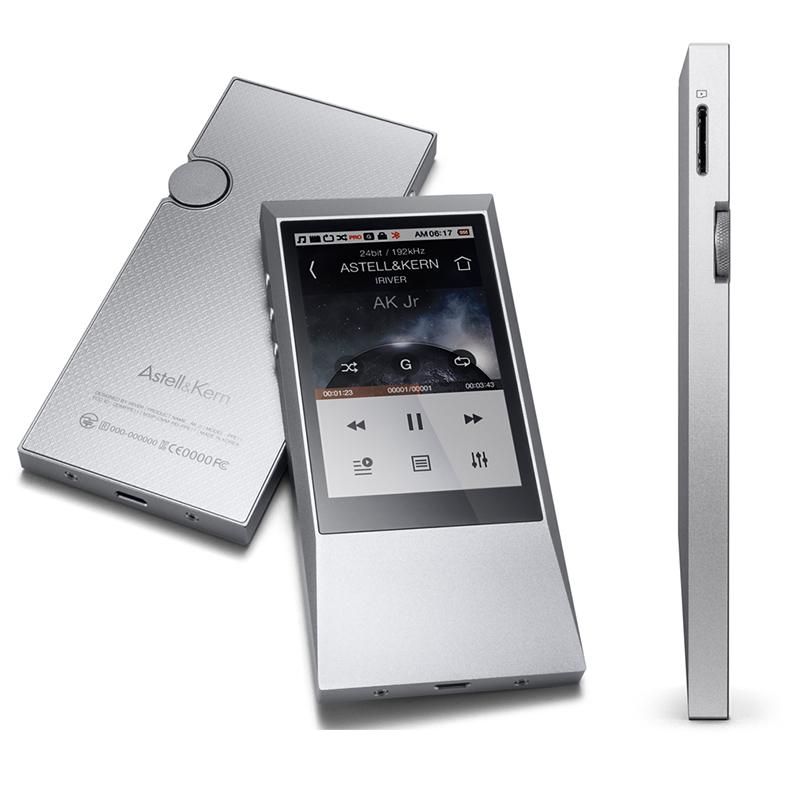
The good news is that the Jr supports multiple formats including the important high resolution audio ones like FLAC, WAV and AAC. It also supports the DSD audio format created by Philips and Sony that ramps up sampling rates above CD quality music but does invariably mean bigger files sizes.
COSMIC EARS CE5P – REVIEW
September 12, 2015 Comments Off on COSMIC EARS CE5P – REVIEW
” A lot of custom inear companies develop monitors that focus on one particular area like bass or vocals or treble. What I love about Cosmic Ears is that all their monitors are great all-rounders with generally good bass and especially good mids. The CE5P is no different in that regard. CE’s website says the CE5P is “an amazing earphone for a solid performance across the frequency range” and that’s exactly the feedback I gave CE. To be honest I received the CE5P a couple of months ago already. They didn’t even have it on their website back then if I remember well.”

LampizatOr DSD Komputer Review
September 12, 2015 Comments Off on LampizatOr DSD Komputer Review
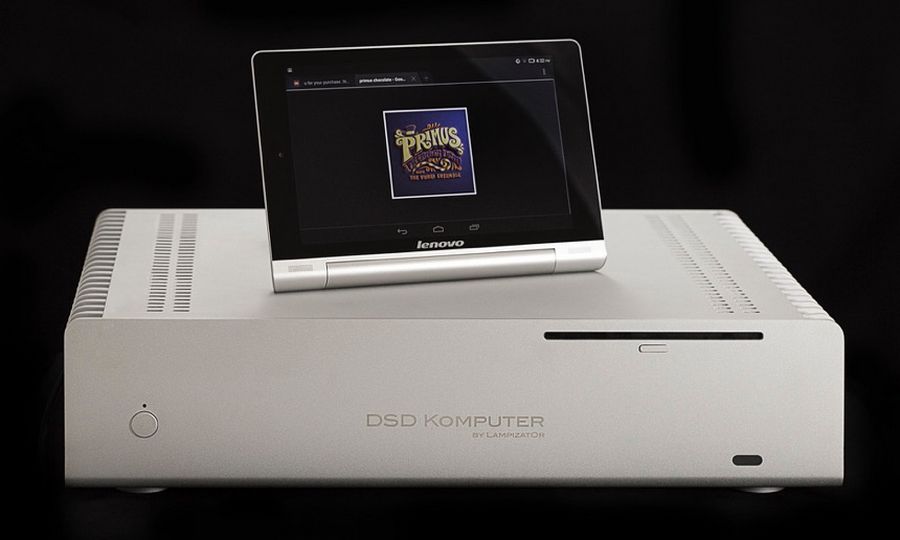
” There is no rocket science in DSD Komputer. Anybody can, and really should make such for himself. It just takes time and money to buy every part from a different vendor from a different country. First they have to import and stock this stuff in bulk. Pay shipping, customs and duties. Make sure everything matches. Have a skilled IT man put everything carefully together which takes 3 full days and 2 days testing and troubleshooting. Playing test music always with Golden Gate DAC as an ultimate sound benchmark. LampizatOr added the other key elements of good sound – JCAT USB card for audiophile quality output
”
Questyle cma800r dual mono headphone amp – Review
September 11, 2015 Comments Off on Questyle cma800r dual mono headphone amp – Review
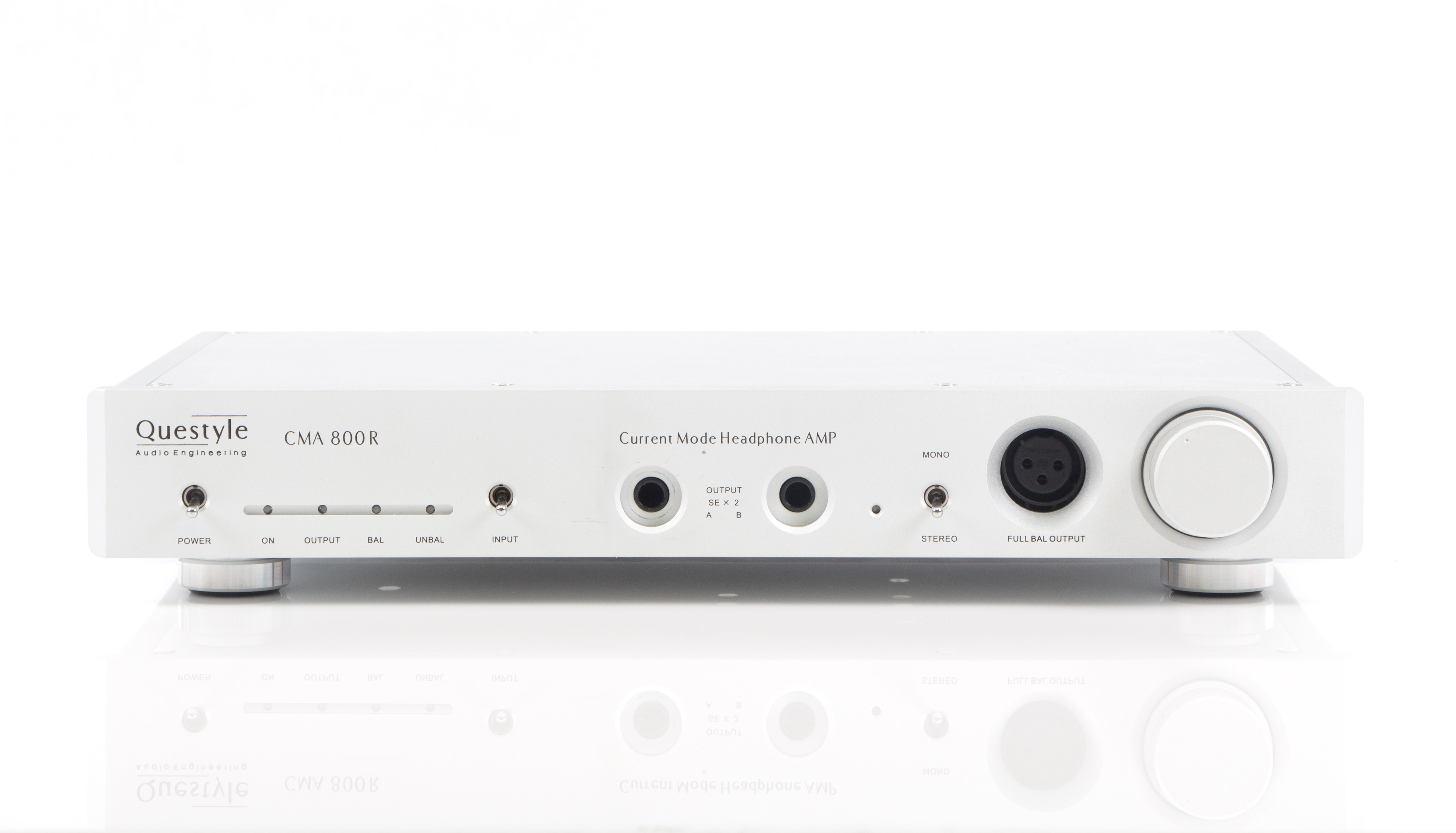
” You’d get really bad compression effects. With the LCD-2, the rooms were completely open in the back. This eliminated the compound pressurization effects which wreaked havoc especially on the XC’s treble and presence region. The famously chewy Audeze midband overloaded in fully balanced mode when the backs of its diaphragms closed off. Gobs of image density are all well and good but as with anything else, overdone is overdone. Balance and moderation remain key. With the LCD-2, dual mono just pushed the envelope of chocolately richness whilst still closing it off for safe delivery. With the LCD-XC, the envelope bust open for a right mess. In the treble and with my Polish hybrid silver/copper wires, the LCD-2 gained unexpected but well-appreciated energy in mono mode. With the XC, this overstepped into sizzly bright bite and weird careening glintiness which were instantly off-putting and disqualifying. Unexpected but again well appreciated, Audeze’s (in)famous bassiness did not go overboard but tightened the reins. This eliminated their elephantine aspects and stepped back into feeling properly awesome. Whether a pure copper leash on the XC might have ameliorated some of my complaints I can’t know. Let’s simply eliminate the XC from the running for being clearly not synergistic. Let’s say just a bit more on the successful half of my ‘fully balanced’ Audeze experiment.”
Linn Majik DSM Integrated Amplifier-Network Music Player – Review
September 11, 2015 Comments Off on Linn Majik DSM Integrated Amplifier-Network Music Player – Review
” These should be the speakers’ “ideal” positions, according to Linn — that is, where they sound their absolute best. From there, the Linn has you place, and measure once more, the speakers in their “practical” positions — they assume that listeners will have to contend with furniture, television stands, equipment racks, and other space restrictions. The Majik DSM crunches some numbers, then spits out a profile for the lowest frequencies (10-200Hz) that adjusts the speakers’ frequency response to offset the various room modes. Linn promises that the Majik will then deliver, from your speakers’ “practical” positions, the sound you hear from them in their “ideal” positions. Cool, right?”

Concrete Audio N1- Review
September 11, 2015 Comments Off on Concrete Audio N1- Review
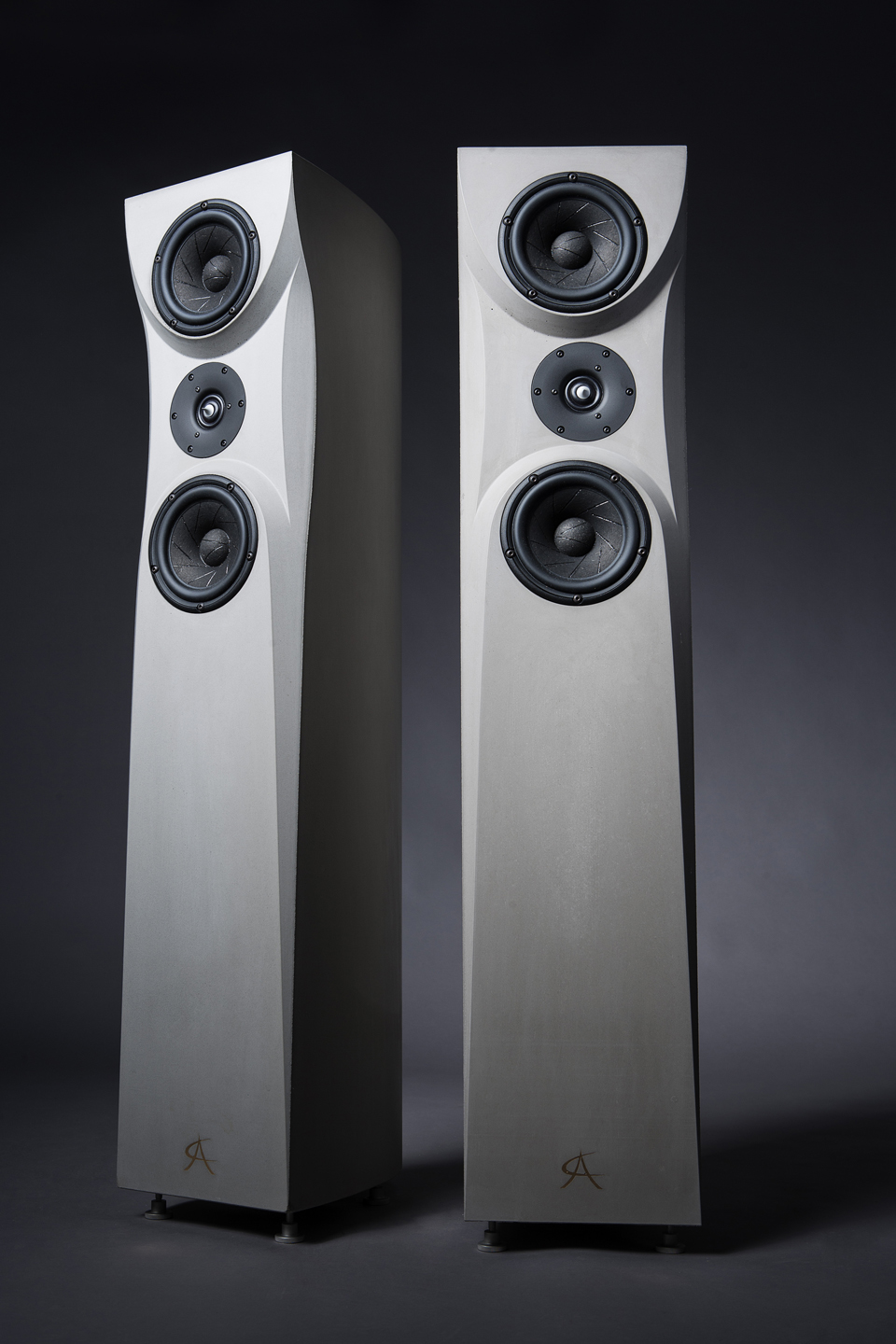
“ndeed, low loss is very much the order of the day when it comes to the N1. The concrete enclosure is massively stiff and rigid, yet enjoys excellent self-damping — helped by a firmly attached, heavy felt lining. The careful shaping of the internal volume eliminates the need for extensive lossy internal damping materials, with just a very loose filling of natural wool, while the 6dB slopes used in the crossover allow for a simple circuit using the fewest subtractive elements. Bolt your lightweight drivers firmly to such a solid foundation and you can expect the best possible energy transfer.”
Campfire Lyra Review
September 10, 2015 Comments Off on Campfire Lyra Review
” I told her they were the new Campfire Lyras, and yes, the sound was really nice. I explained I didn’t own them, I was reviewing them for my CNET “Audiophiliac” blog, and she immediately put the URL in her phone. ”

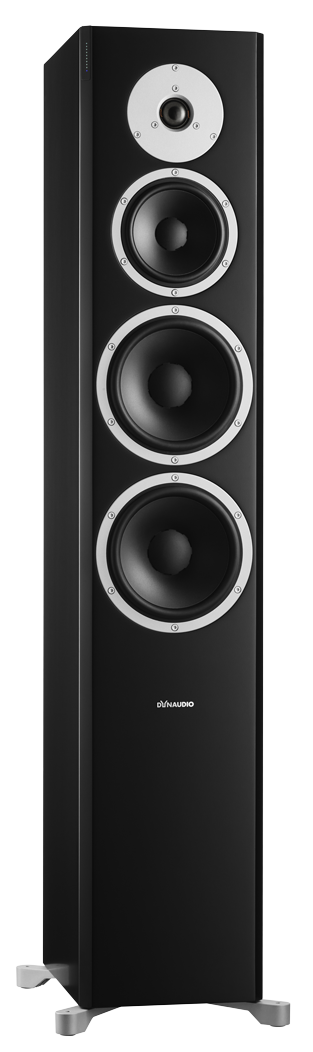
DYNAUDIO FOCUS 600 XD ACTIVE WIRELESS DIGITAL LOUDSPEAKER
September 8, 2015 Comments Off on DYNAUDIO FOCUS 600 XD ACTIVE WIRELESS DIGITAL LOUDSPEAKER
The top end was open and extended, with a good balance between resolution and smoothness. On hi-res sources, the 600 XD sounded “big” in the treble—that is, the presentation was the antithesis of closed-down or confined. Coupled with the excellent soundstaging, the 600 XD produced an expansive sense of space and dimensionality.
Woo Audio WA7d Fireflies Headphone Amplifier and DAC Review
September 8, 2015 Comments Off on Woo Audio WA7d Fireflies Headphone Amplifier and DAC Review
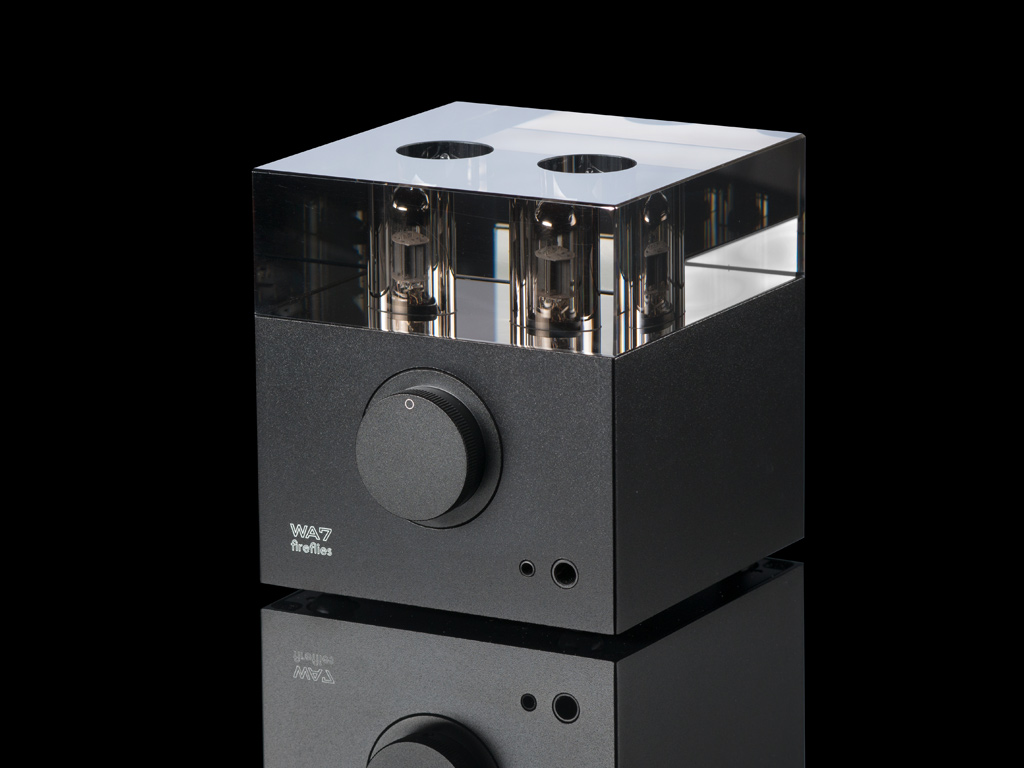
Beethoven’s Symphony No. 9 is my favorite of the nine symphonies he composed. The last movement, in particular, has a melody that everyone would recognize. It sounded truly beautiful on the Woo WA7d. In particular, the basso profundo (person singing the bass line), sounded like he was standing next to me. And, when the full symphony was playing, the whole spectrum was crystal clear, with each instrument detectable. That is a tribute to both the amplifier and the headphones, which use a thin film as the driver (planar-magnetic).
 y
y
CHORD HUGO – REVIEW
September 7, 2015 Comments Off on CHORD HUGO – REVIEW
“The proof is in the listening, which of course is critical. But guess what else is highly important? Being able to comfortably use the thing. And that’s where I feel, for all the technical advances involved, Chord’s Hugo doesn’t live up to its full potential. It’s just not intuitive by any stretch of the imagination. The first thing you notice is the rather unusual volume wheel that glows different colors to indicate levels. Green is louder than yellow, and blue is louder still, while red is quiet and white is full-scale (and might wreck your IEMs). Got that? There’s a glowing circle that indicates sample rate — if you consider that info critical, plan on memorizing all 9 colors, each corresponding to a different rate. Then there’s the window allowing us to see three very small LEDs on the PCB. One shows battery levels. Another indicates which input is active.


You must be logged in to post a comment.