KEF LS50 Wireless II Review
April 18, 2021 Comments Off on KEF LS50 Wireless II Review
https://www.whathifi.com/us/reviews/kef-ls50-wireless-ii
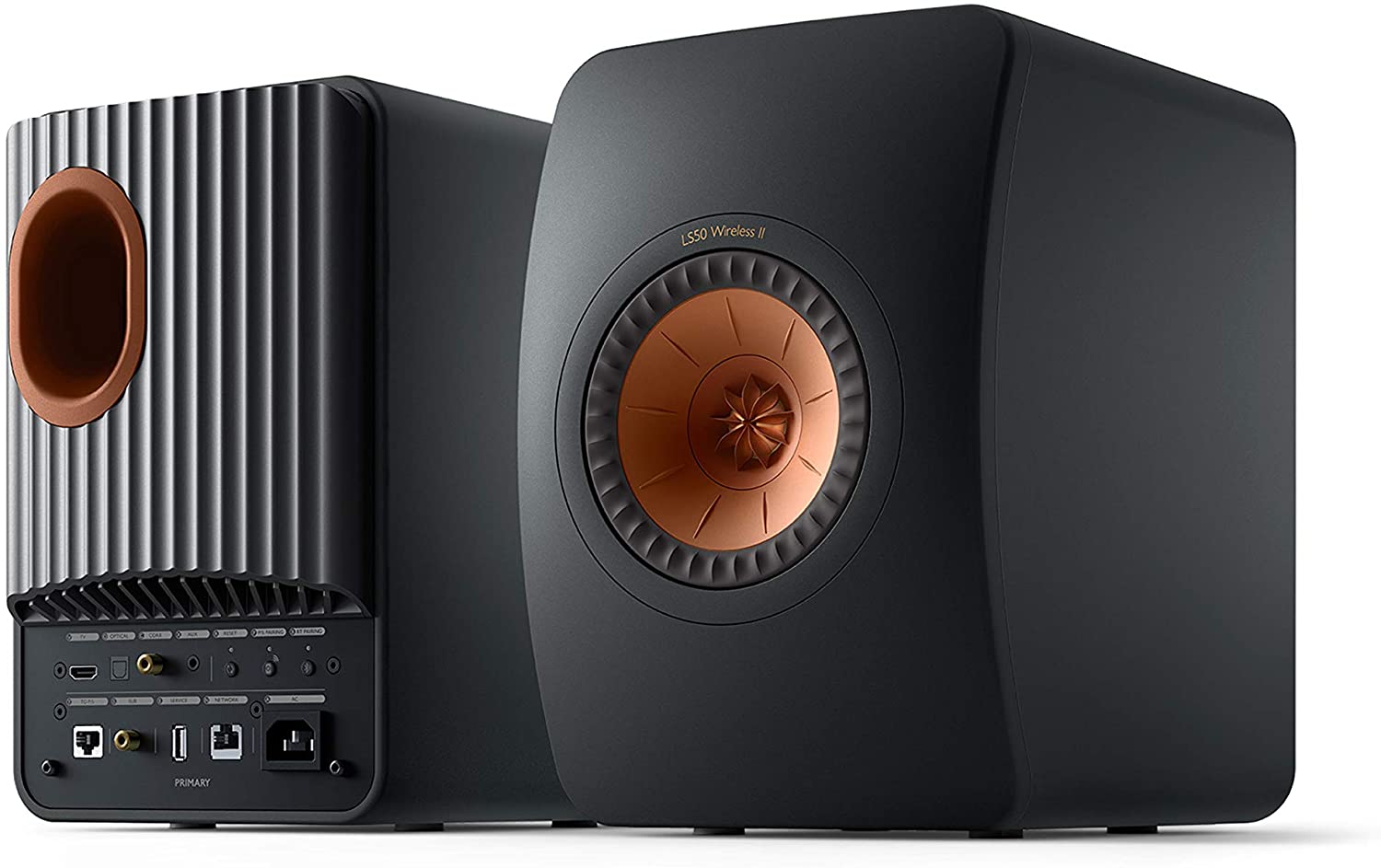
We listen to Adrienne Lenker’s Symbol and it is a more captivating affair through the Wireless IIs. The extra space between her vocal and the strings is in relative contrast to the originals, where it sounds as though they’re fighting against one another for attention. That extra spaciousness isn’t at the expense of cohesiveness either – a hallmark quality of the Uni-Q driver’s tweeter-inside-the-mid/bass-cone design.
The new KEFs lay bare more intricacies in the guitar work, while disclosing the distinctive fragilities in her vocal. Similar sharpness and attention to detail is evident as we switch to Peter Broderick’s Moment, the piano sequence aching with meticulously written melody as the LS50 Wireless IIs more deftly define the start and finish of notes.
ExaSound Delta Music Server $3000 Review
April 17, 2021 Comments Off on ExaSound Delta Music Server $3000 Review
https://www.stereophile.com/content/exasound-delta-music-server
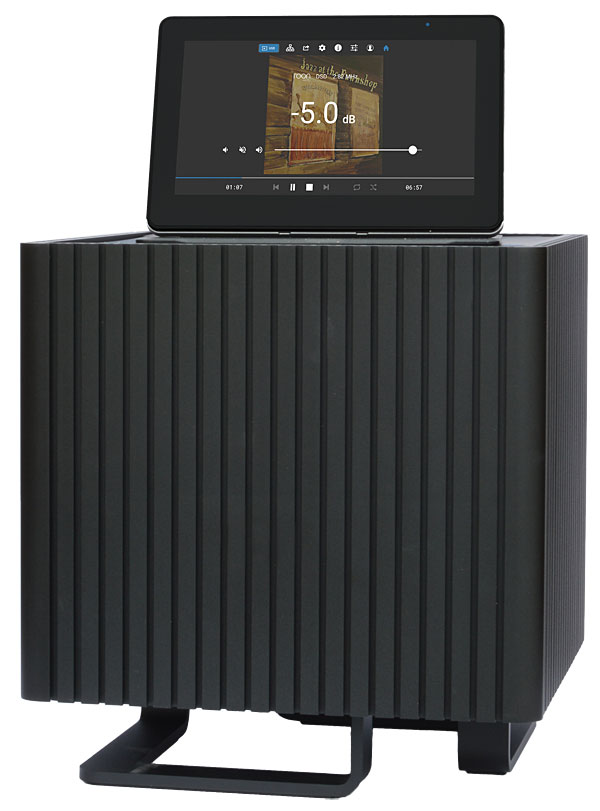
The Delta Music Server is the most capable server I have used, but it is far from the most expensive. The base price is $3000, in silver or black. The addition of a 1TB SSD for local storage adds $150, and the 7″ touch-screen adds $280. If you are capable and motivated, perhaps you’d prefer to build something like this yourself; you probably could do it for less money. The only caveat I can think of is that it is dedicated to Roon and will not support other software. The Delta is, in my opinion, what a Roon server should be
Karan Acoustics KAS 600 Stereo Amplifier and KAL Reference MK3 Preamplifier $28,000 Review
April 17, 2021 Comments Off on Karan Acoustics KAS 600 Stereo Amplifier and KAL Reference MK3 Preamplifier $28,000 Review
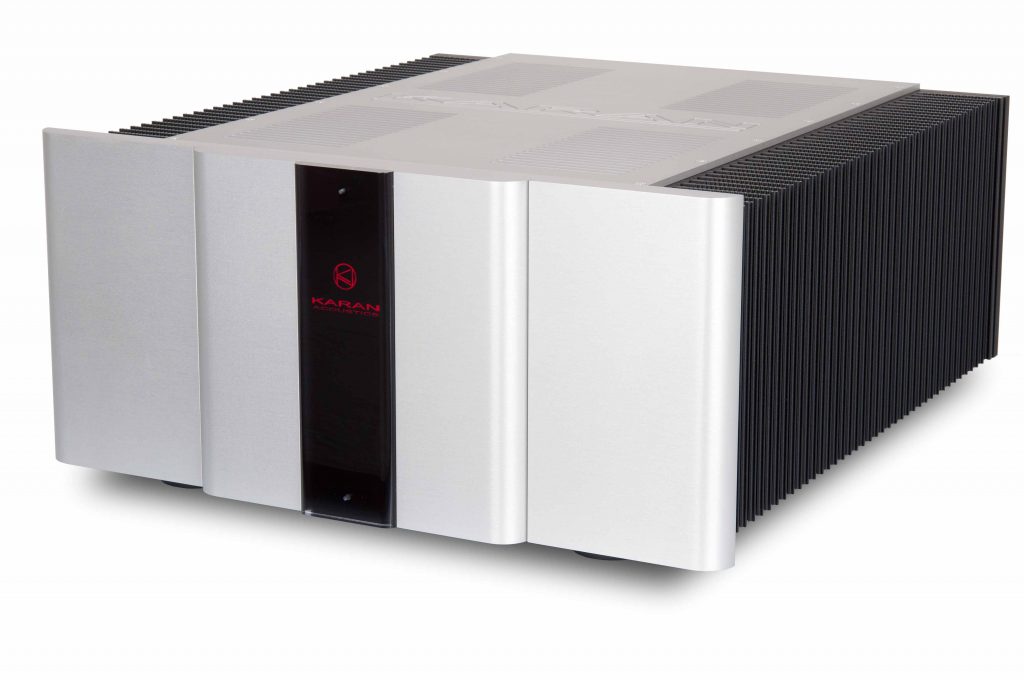
I love being able to revisit a manufacturer after years between products. In the case of Karan, it’s clear the advancements made to the KAS 600 amplifier and the KAL REF MK3 preamplifier have been more evolutionary rather than revolutionary. The essential character of the combo definitely harkens back to its lineage. I like that. Why mess with the secret sauce? The areas of improvement heard by these ears while wracking my failing memory are to be found in transparency and speed from top to bottom. They seem more efficient and effortless at passing the signal than their ancestors. It strikes me it would be very difficult to find precisely what the Karan duo offers in other products. At least that’s how I hear it. The Karan sound remains unmistakable, yet very difficult to pin an overt coloration too.
As I always do with any component I review, I let my fangs out and try to come up with a reason for someone who can afford the asking price not to add the components to their system. In this case, I simply can’t come up with anything. The lack of remote input switching? The lack balance control? No, those are not not game changers when such wonderful sound is provided by the Karan KAS 600 amplifier and KAL REF MK3 preamplifier. I cannot imagine a scenario where this combo would need to be replaced for years to come if enjoying music, all genres of music at the highest level of fidelity, not obsessing about gear, is the priority.
Gryphon Antileon EVO solid-state dual-mono amplifier $38,350 Review
April 16, 2021 Comments Off on Gryphon Antileon EVO solid-state dual-mono amplifier $38,350 Review
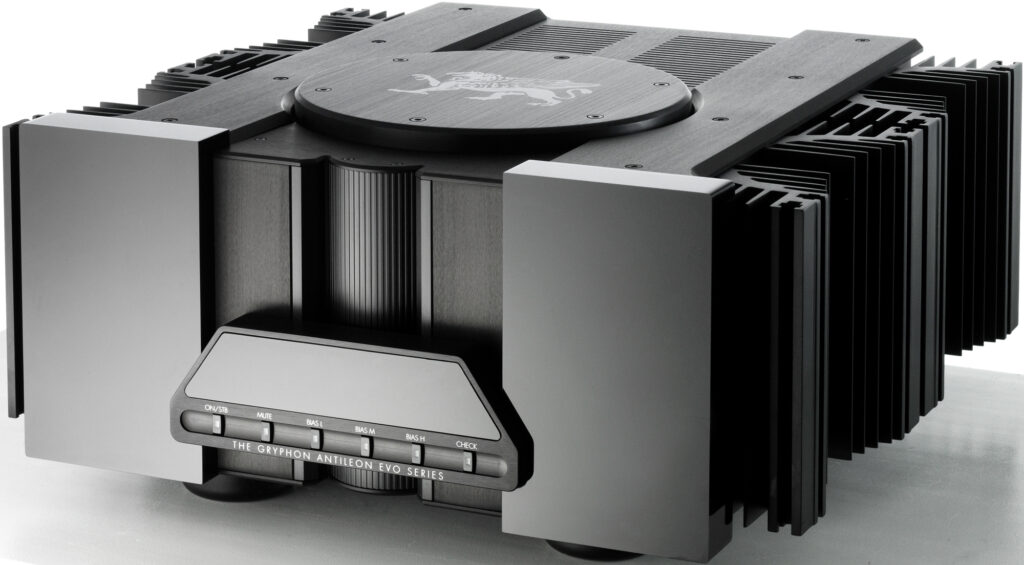
The front panel of the Antileon Evo is mostly acrylic and has six buttons. The far left button is an ON/STANDBY button that, when pressed, activates the amp and reveals a red display behind clear acrylic. This also initiates a self-check that takes approximately 15 seconds and lets you know if there are issues with the amp. The CHECK button at the far right allows you to run the self-check while in full operation. There is also a MUTE button that does exactly that — mutes the sound — which is handy when you want to change out some cables without turning the amp off. However, the remaining three buttons are the most interesting to the dedicated audiophile.
The remaining three front-panel buttons allow you to choose between three bias settings: Bias L (low), M (medium) and H (high). Bias L provides 25 wpc of class A power. This setting is fine for listening at low levels or when simply playing background music, and to my ears sounds better than the vast majority of A/B amps. I mostly used this setting to keep the Evo warm during the day so that it would be ready to play in Bias M or Bias H mode at a moment’s notice in the evening. Bias M and H were the settings I used for serious listening. Bias M delivers 50 wpc of class A power, which I use when blasting certain rock or other highly in-your-face music. Bias H delivers a sumptuous 150 wpc of class A power. I used this for most really serious listening sessions, even most rock, but especially when the music is vocal, orchestral, moody or sophisticated (I’ll expand on this below).
NAIM UNITI ATOM REVIEW
April 16, 2021 Comments Off on NAIM UNITI ATOM REVIEW
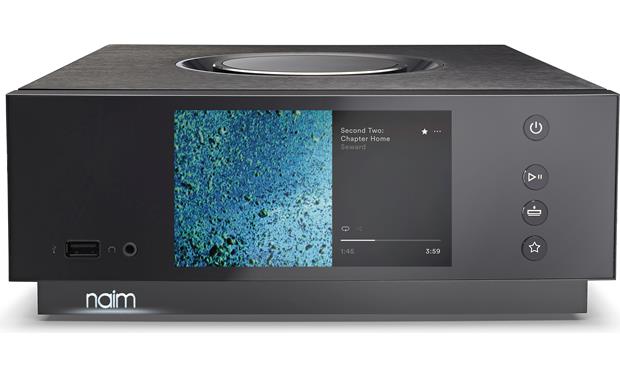
I also asked Naim about this. They say the pre-amp outputs can be used for a subwoofer, and while true, the output is not labeled such on the back panel and there is no mention of how to hook up a sub in the included documentation. Naim says they will update the documentation as well. All in all, Naim is to be praised for seeing these issues when pointed out and taking proactive steps to correct them. Many companies would just ignore the criticisms.
Once your speakers are ready to go, plug in a network cable or put the unit on your local Wi-Fi network. If you are streaming high-resolution files, a direct network connection is your best bet.
Using the app, you can set up Tidal or whatever streaming service you have. The app allows more control than the included remote, so I found it was best to keep my iPhone handy.
BURSON PLAYMATE 2 REVIEW
April 15, 2021 Comments Off on BURSON PLAYMATE 2 REVIEW
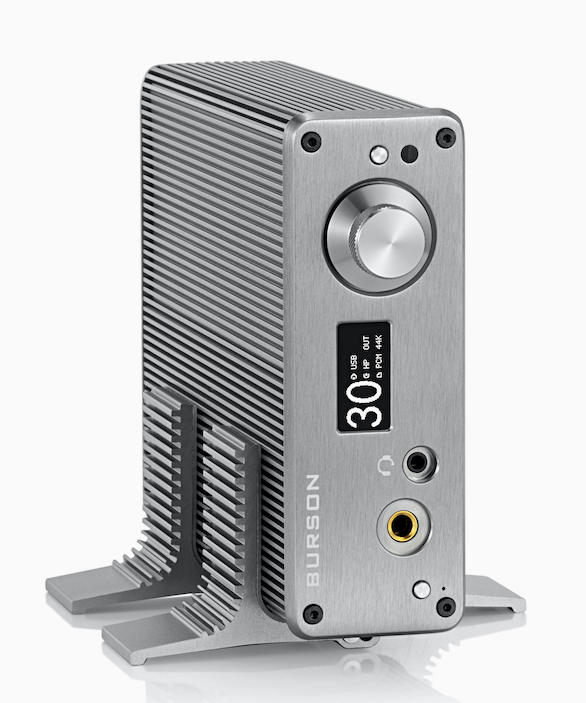
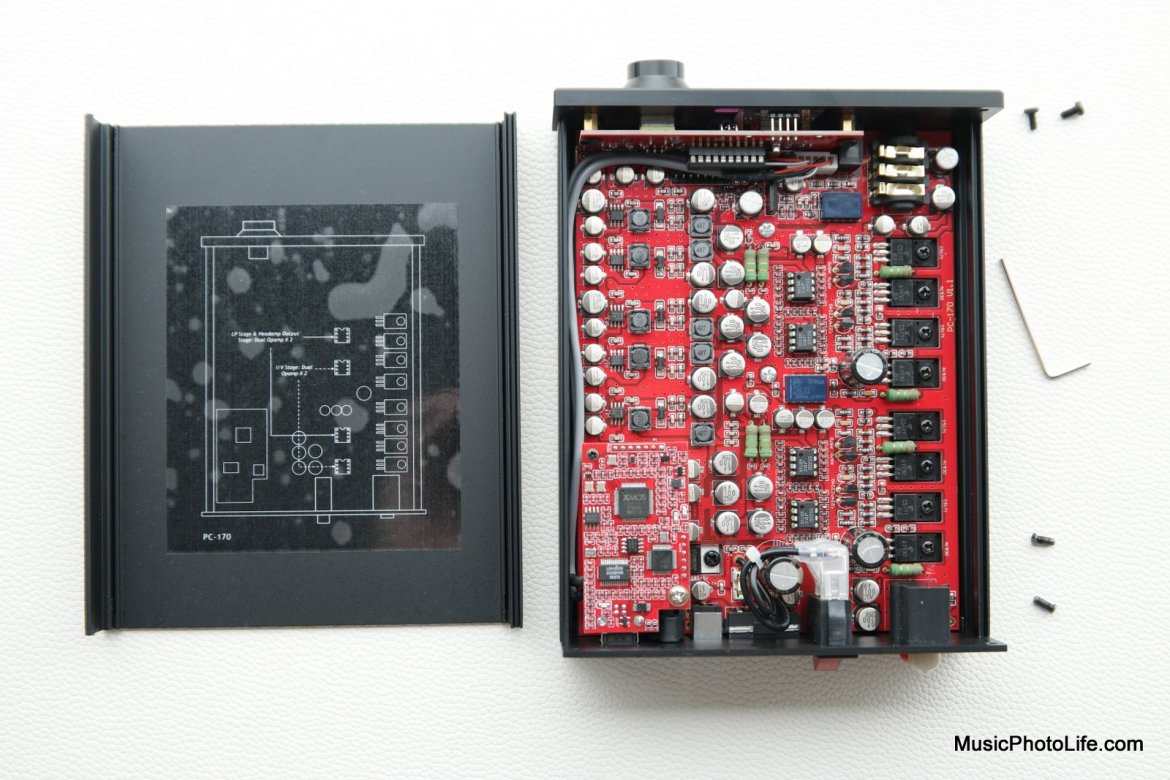
The Playmate 2 is strictly a single-ended device – those of you looking for a balanced headphone solution will need to step up to Burson’s Soloist/Conductor line. Presumably, it has been designed this way to a) keep costs down, and b) to maintain some sense of hierarchy in the Burson catalogue. Unless you own a bunch of XLR or Pentaconn-equipped headphones, you shouldn’t sweat over this as 3.5 Watts is more than enough to get most headphones singing, save perhaps the most stupidly inefficient planars – which both I and the majority of you don’t have. And if you do, you’re probably looking elsewhere anyhow.
In addition to the two analogue outputs (the 3.5mm one also being the previously-mentioned mic input), the front panel of the Playmate 2 also includes a small infra-red receiver window for the remote, a stepped volume-pot which also acts as the navigation for input selections in the menu, and a multi-function window which displays volume level, input selection, output selection, as well as the PCM/DSD sampling rate.
REL T/x Serie Review
April 15, 2021 Comments Off on REL T/x Serie Review
First look/listen: The new T/x Serie from REL
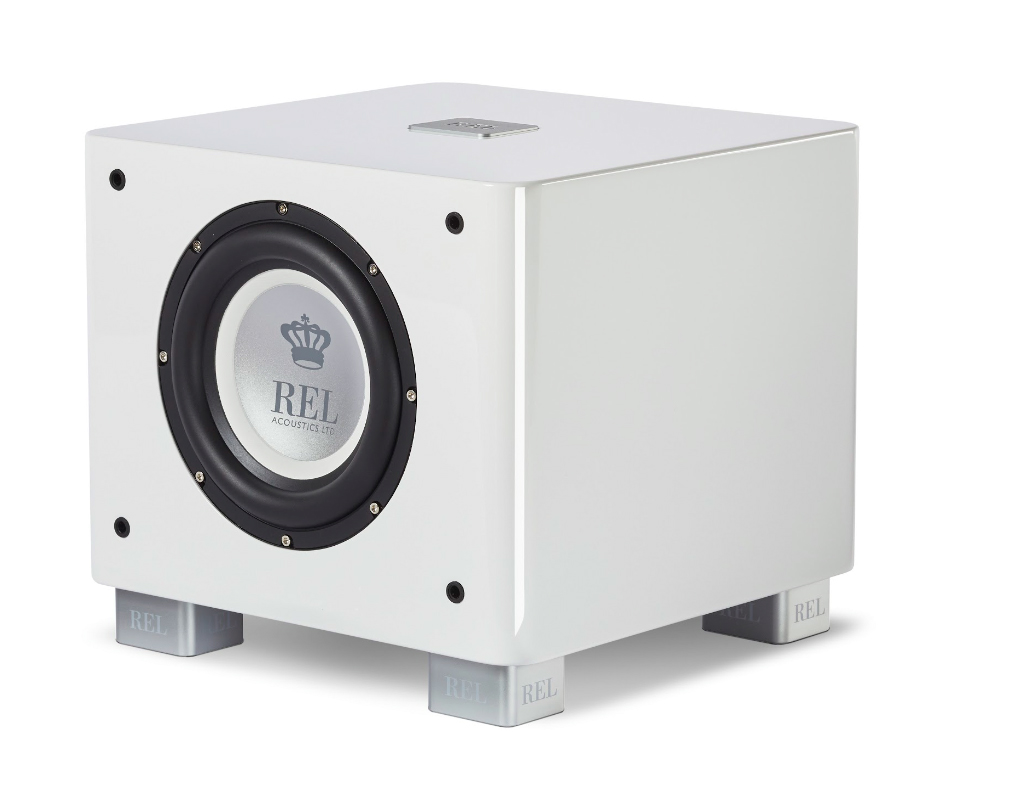
First, the visual. Where the T-series was always a basic square box, the new T/x series features rounded cabinet corners, giving them a more refined visual feel. Driver and amplifier updates allow these new subwoofers to go deeper with more speed and refinement than their predecessors. Considering how much the cost of materials and shipping have increased in the last few years, the T/x versions are less expensive than the models they replace.
Why don’t I use a better-sounding turntable?
April 15, 2021 Comments Off on Why don’t I use a better-sounding turntable?
 Audiophilepure
You must be logged in to post a comment.