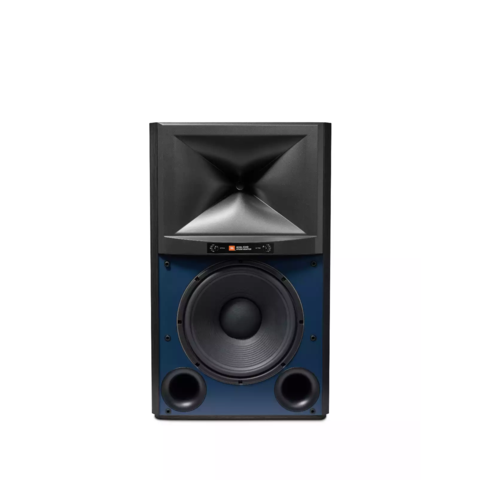
JBL 4349 STUDIO MONITOR LOUDSPEAKER $7,500 REVIEW
May 28, 2021 Comments Off on JBL 4349 STUDIO MONITOR LOUDSPEAKER $7,500 REVIEW
And, most delightfully, the 4349’s woofers don’t lose pitch definition or speed despite their size and weight. But as good as the bass is, it is NOT their best feature – that would be the midrange and treble! JBL’s horns put out a dynamic, clear, open, and extended midrange and treble. Again, I was highly skeptical about the 38mm horn driver – surely it couldn’t have the high-end sparkle and extension of a smaller driver of lighter mass? But from the first listen, the squinched-up-looking horn and its driver just astounded me. Not only did it disappear as being a discreet sound source, but the dispersion provided a holographic-sounding image with more clarity than I’d heard in my room before.
AURIS AUDIO HA2-SF REVIEW
May 28, 2021 Comments Off on AURIS AUDIO HA2-SF REVIEW
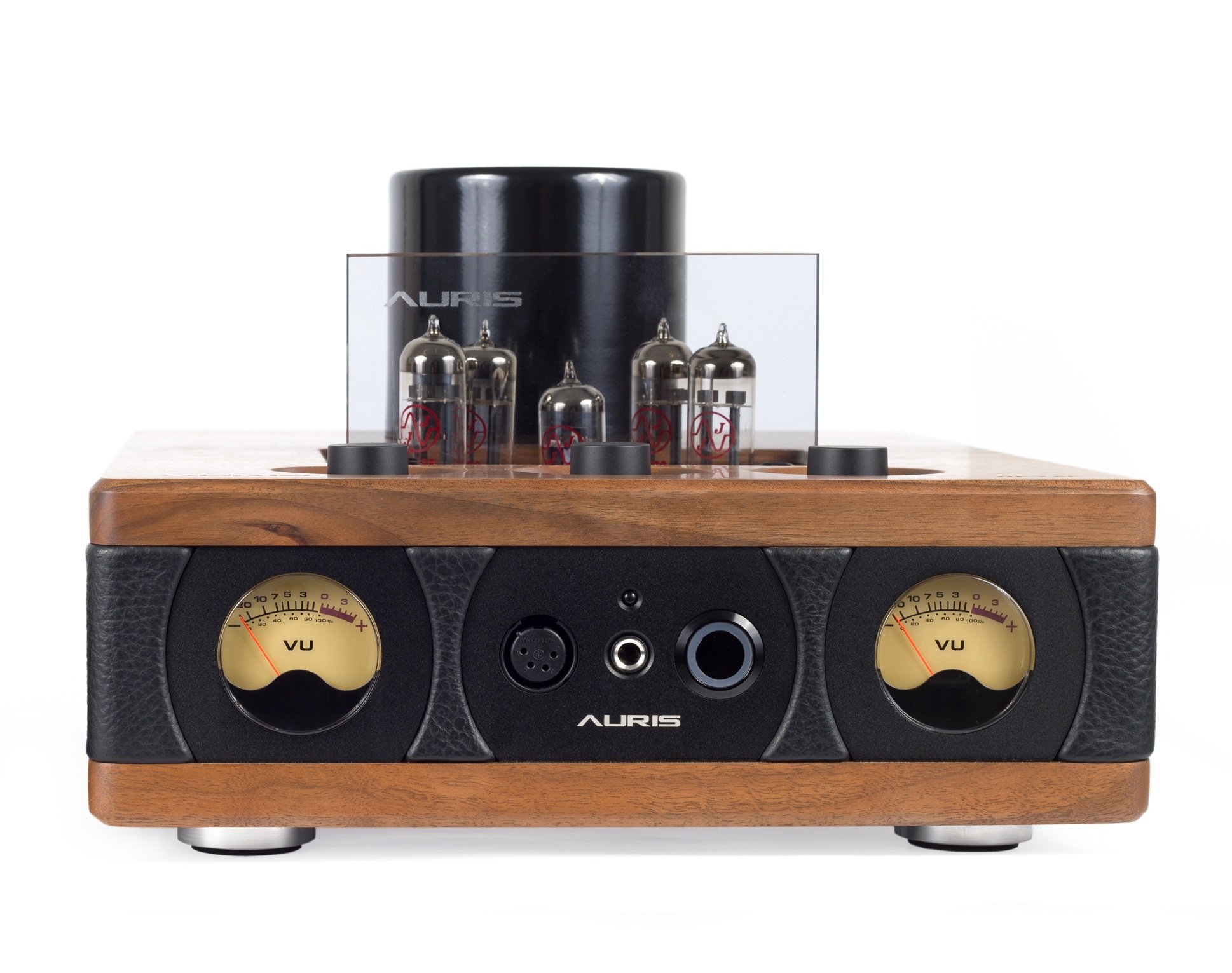
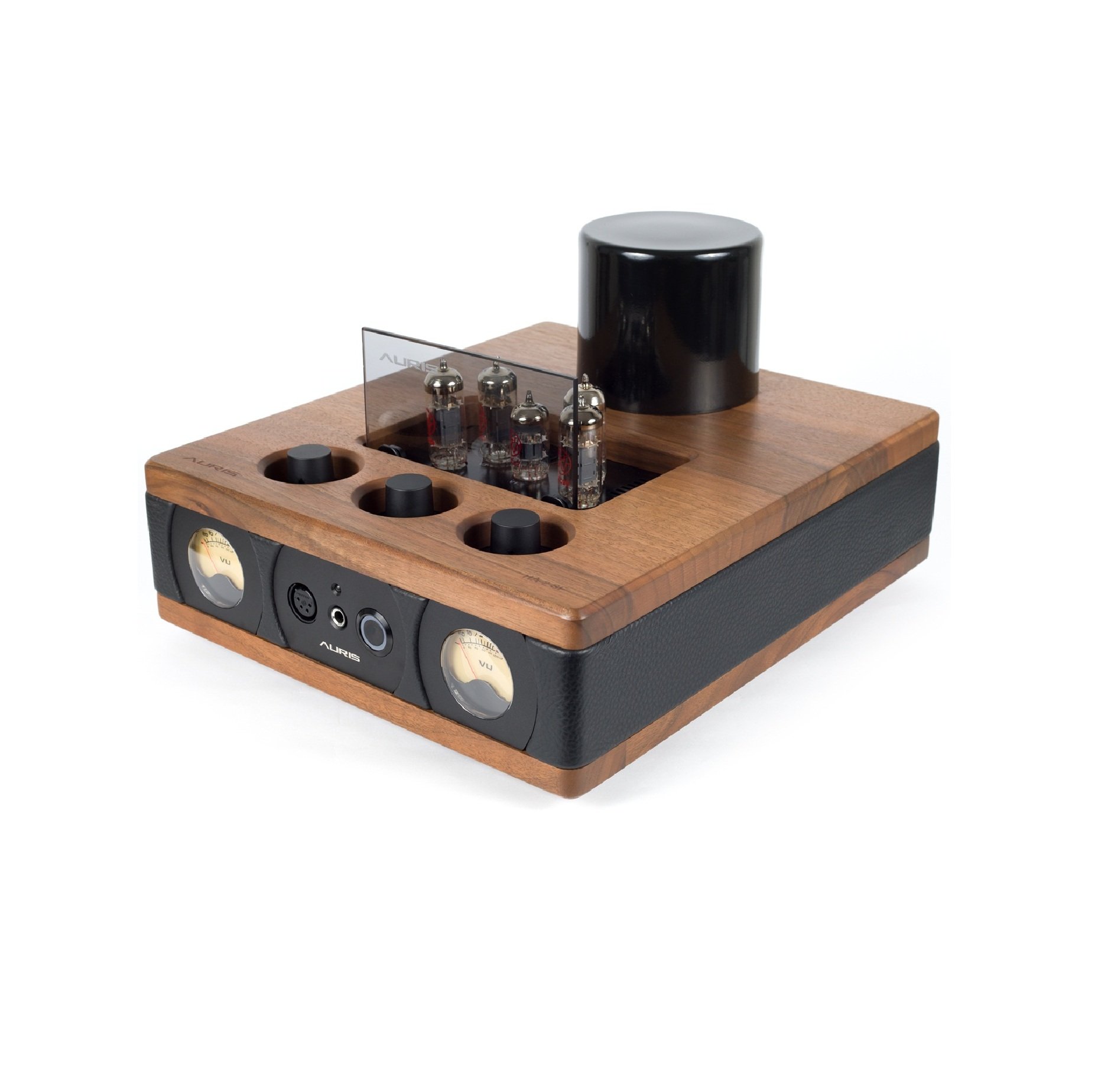
The HA2-SF can drive as good as all headphones on the market and because of the gain switch option, the VU meters now more easily dance around no matter what headphone you connect to it. With the Nirvana this is one of the downsides as it’s so powerful that the meters only move with really hard to drive headphones, or when you’re deaf and up the volume way too much. It’s nice to see that Auris listened to the market feedback, and know we have lovely moving VU meters on the front for most of the headphones you hook up to it in low gain.
NAD C 298 power amplifier Review
May 27, 2021 Comments Off on NAD C 298 power amplifier Review
https://www.stereophile.com/content/nad-c-298-power-amplifier
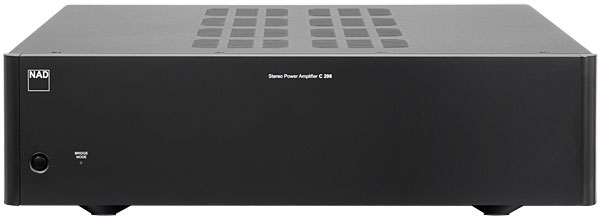
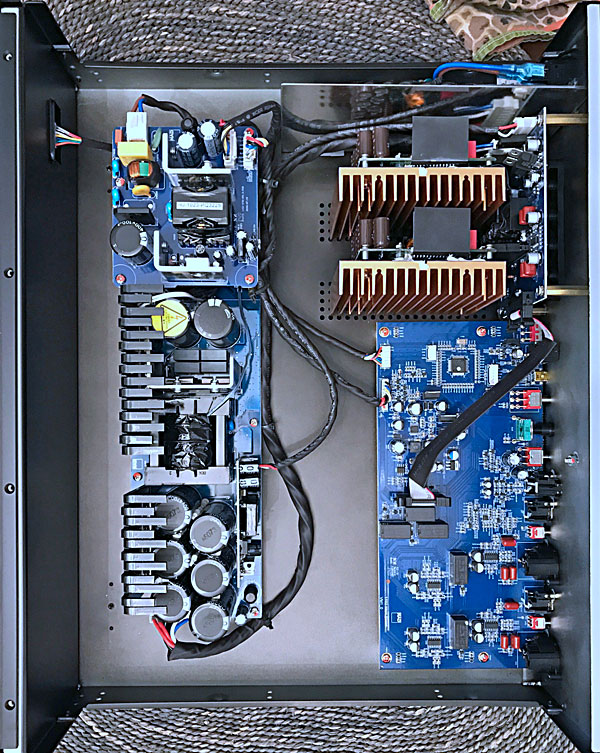
Although my system is multichannel, there is no processor or preamplifier. The output of the DACs drives the power amps directly via balanced connections. I used the NAD’s XLR inputs in both stereo and bridged modes. When playing two-channel music, I used fixed gain. Fixed gain in stereo mode (28.6dB) also worked when playing multichannel with one C 298 powering the front L/R speakers. However, to use a pair of bridged C 298 amps, my options were to use fixed gain and adjust the channel balance in JRiver or the DAC or to use variable gain to match the other channels. The character of the amp remained constant across all these permutations
IBASSO DX300 REVIEW
May 27, 2021 Comments Off on IBASSO DX300 REVIEW
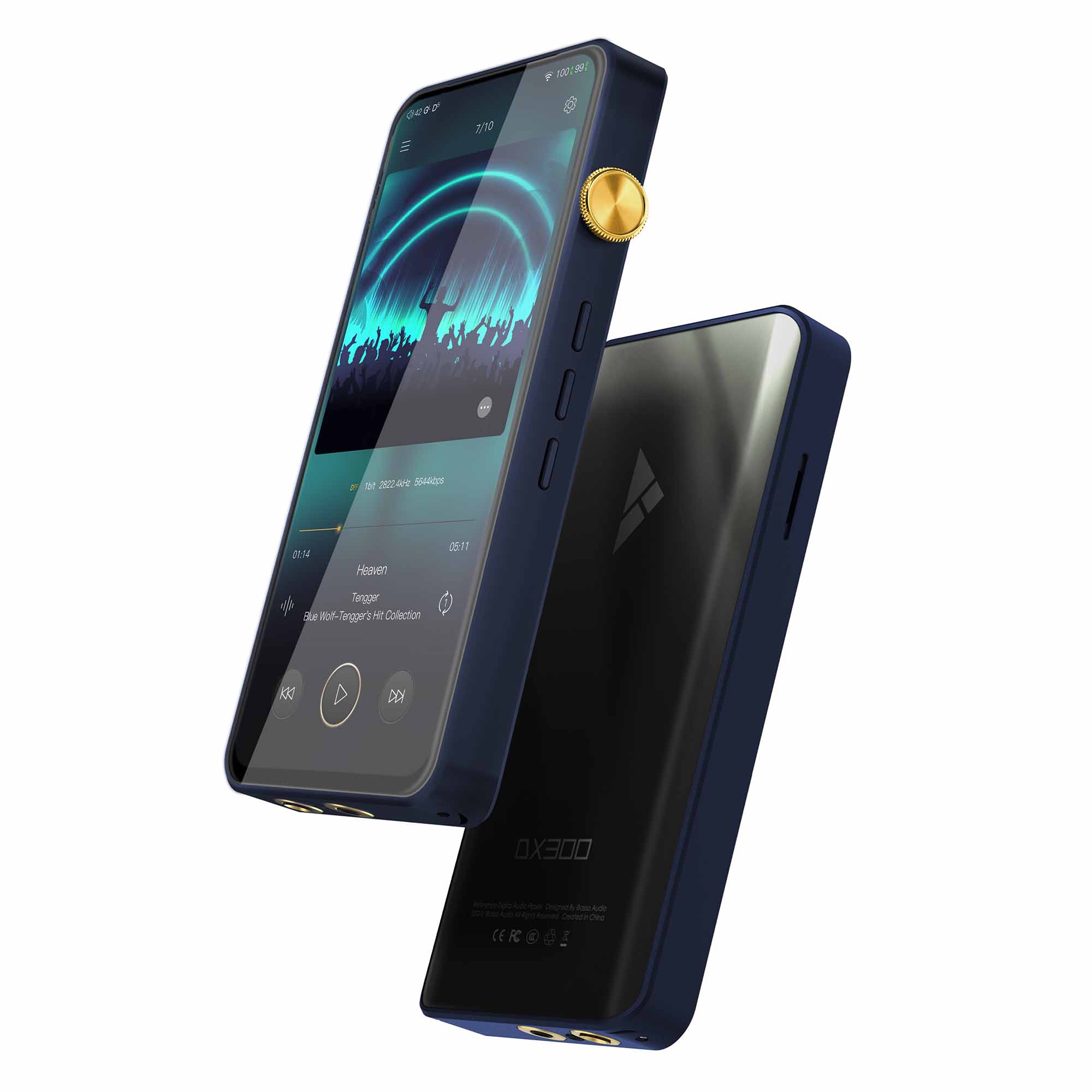
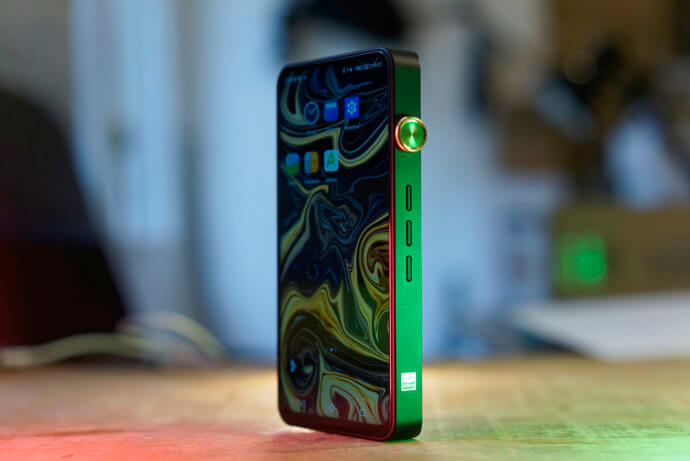
The brand also developed a new in-house FPGA-Master chip, working as the audio system controller. Working as the brain of the audio circuit, it receives the data from the CPU, synchronizes and generates all audio clocks at the same time using two Accusilicon femtosecond oscillators, then sends it to the quad DAC in I²S, or DSD.
McIntosh MHA200 Vacuum Tube Headphone Amplifier
May 27, 2021 Comments Off on McIntosh MHA200 Vacuum Tube Headphone Amplifier
Sonus faber Lumina $899 REVIEW
May 26, 2021 Comments Off on Sonus faber Lumina $899 REVIEW
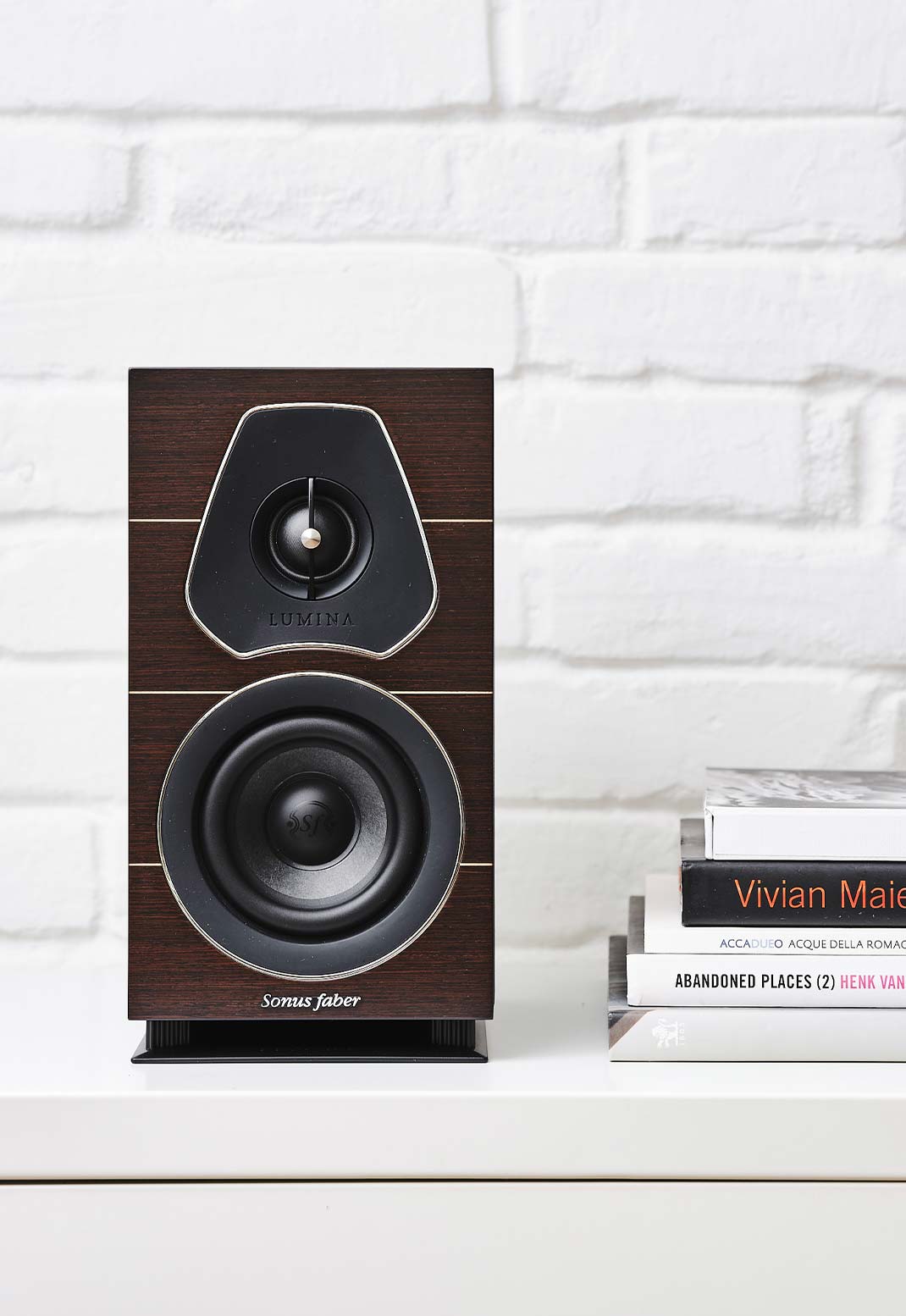
I’ll admit to having some preconceived ideas about how smallish bookshelf speakers were going to sound. Just because of their size, I assumed they wouldn’t have deep bass heft, and they probably wouldn’t have the tightest sense of rhythm and dynamics. However, the Luminas proved me very, very wrong. No, they aren’t going to give you heart palpitations with their sub-bass rumbles. (Again, physics is a thing.) But the Luminas certainly changed my mind about how small bookshelf speakers are supposed to sound—or can sound. As far as I’m concerned, these are the new sub-$1k bookshelf speakers to beat. Just keep in mind those power amp requirements. Highly recommended to anyone looking for fantastic sound and beautiful style in a surprisingly compact package.
Tri-Art Audio B-Series 60W Stereo Integrated Amplifier Review
May 26, 2021 Comments Off on Tri-Art Audio B-Series 60W Stereo Integrated Amplifier Review
https://www.audiophilia.com/reviews/2021/3/17/tri-art-audio-b-series-60w-stereo-integrated-amplifier
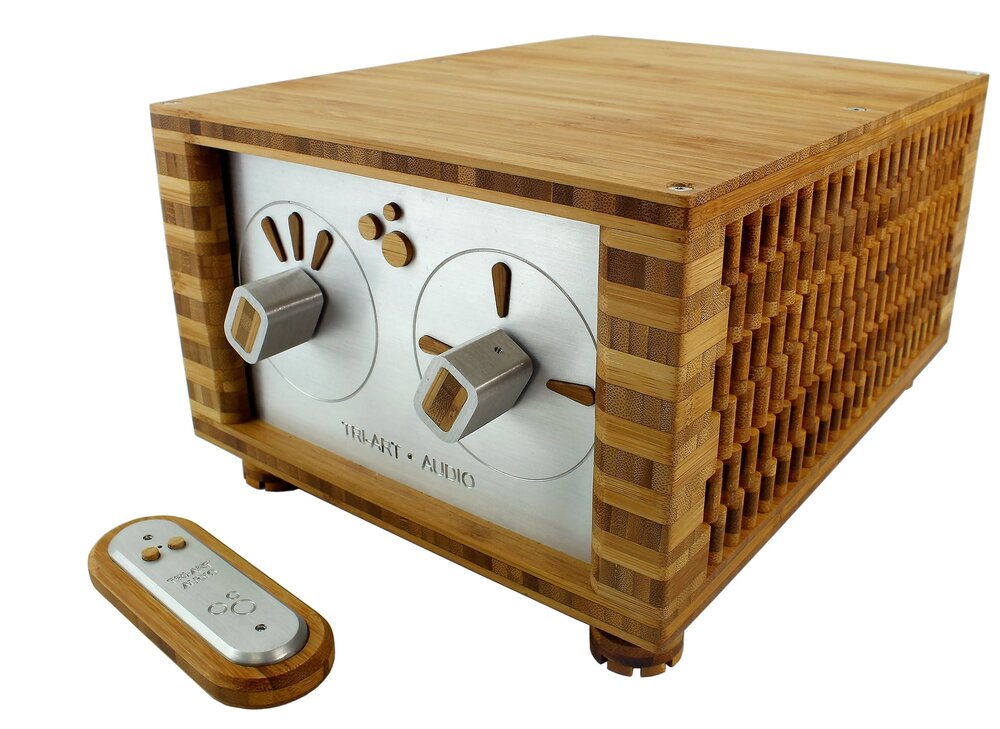
It is time to conclude, dear reader; and many thanks for your interest. I know Steve Ginsberg and TAA’s Head of Electrical Engineering, Adam Thomaes, would agree with George Polychronidis of Moon River Audio—forgive me for quoting the competition—when he states that in the audio industry there is a misunderstanding about power. ‘Power is always measured by a constant, stable frequency in the lab—a single continuous sinewave without alterations of the level in time—when the major question is how much power an amplifier can deliver instantly, not constantly. Measuring with a stable frequency doesn’t tell you much about how an amplifier will handle musical dynamics, follow precisely music’s chaotic and complex transients, and drive the speaker.’
 Audiophilepure
You must be logged in to post a comment.