Unison Research Pre/DM v2 pre/power amplifiers Review
June 29, 2026 Comments Off on Unison Research Pre/DM v2 pre/power amplifiers Review
https://www.hifinews.com/content/unison-research-predm-v2-prepower-amplifiers
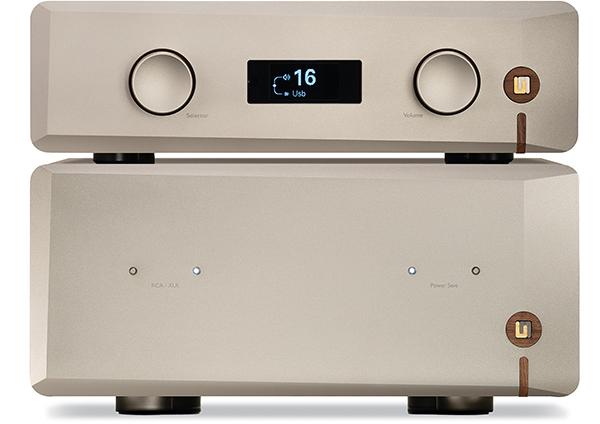
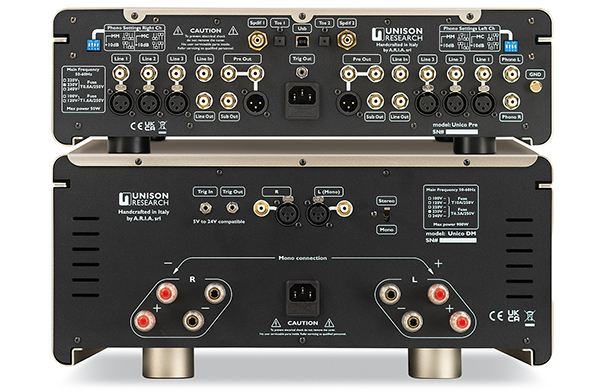
Unison Research has given its ‘hybrid’ Unico range a superb new look with this pre/power pairing, while the addition of digital and phono inputs make its preamplifier a genuine all-rounder. The sonic signature, steered by the potent DM v2 power amp, takes a different path to its all-valve models, but that’s as it should be. We look forward to seeing where the range goes next with its integrated amps.
World Premiere Review!Rogue Audio Cronus Magnum III Int. Amp. / Phono Stage $3495 Review
June 2, 2026 Comments Off on World Premiere Review!Rogue Audio Cronus Magnum III Int. Amp. / Phono Stage $3495 Review
https://www.enjoythemusic.com/magazine/equipment/0519/Rogue_Audio_Cronus_Magnum_III_Review.htm
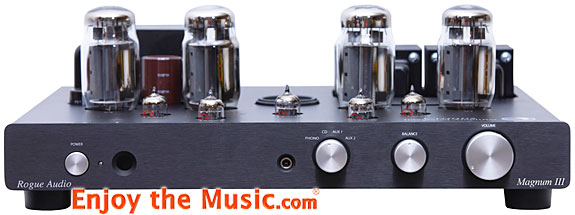
Chances are a committed audiophile would own a copy of Nils Lofgren’s SACD Acoustic Live, and so let’s spin it up. Immediately there is a dimensional expansion of the sound scape. The scale of stereo imaging within the performance space, including those in front of the stage, are clear to hear. There are great aural hints of 3D space. Space is what you should expect, and that’s what would be a wonderful characteristic of this vacuum tube powered soundscape. Razor edged transient attack is what you might hear with a solid-state setup, yet Rogue Audio’s Cronus Magnum III integrated tube amplifier with phono stage reveals something far more satisfying. The sound is full of natural resonant harmonic overtones both odd and even. More than that, those overtones decay into silence much more gradually. My favorite Harry Pearson phrase is “Continuousness”, and here it fits nicely.
It’s not at all like early digital delineation. That’s when sound levels subside and they are eliminated as a least significant bit. What I have tried to convey is part of what some have called, “Tonal Body” but I would rather call this simply, the Gestalt! That’s when every part blends together and forms a clear coherent concept. There is another significant tonal characteristic of the Magnum III. On a very good recording It puts spaces around and between parts of the performance. It’s subtle, but it’s like a renaissance masters painting in that the main subje
Dan D’Agostino Master Audio Systems Progression S350 Stereo Power Amplifier Review $27,250 Review
May 29, 2026 Comments Off on Dan D’Agostino Master Audio Systems Progression S350 Stereo Power Amplifier Review $27,250 Review
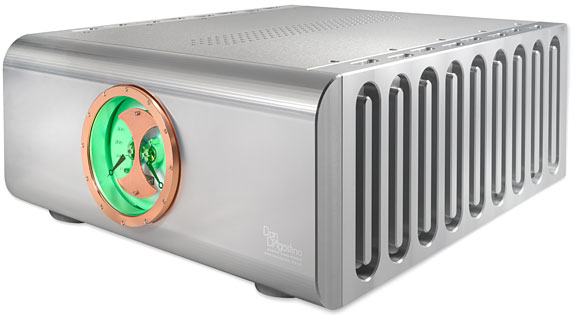
I also must stress that most of the time when listening to this album, I was luxuriating in the sensation of being enveloped by the music on Led Zeppelin II, a recording that I must have heard a thousand times previous to that day. Despite this, before the D’Agostino S350 was in my system, I don’t remember ever having the experience of whipping my head around because I thought I heard something entering my listening room from its far corner. Of course, I’d quickly realize this was a tambourine or other percussion instrument entering the perimeter of the huge soundstage.
The frequency extremes the Dan D’Agostino Master Audio Systems S350 reproduced were extraordinary; never before have I heard a treble sound so extended yet so natural sounding. I’ve had experience with tube amps that had a seductive treble, one that sounded as if it possessed the gestalt of the real thing. Still, the S350 came close to doing this, but at the same time, no amplifier I’ve previously auditioned gave me the impression that I was hearing as close to what was exactly on the signal feeding it. Transparency is the name of the game, and the D’Agostino Progression S350 sound quality possessed what I would call, without exaggerating, the epitome of transparency.
After the D’Agostino S350 was in my system for a while, I never became accustomed to its supernatural sound. Never before have I had a component in my system that made each musical selections, regardless of how many times I’ve heard it before, sound as if I’ve never really heard it. I could use this amplifier to demonstrate every audiophile characteristic that one would desire, frequency extension, transient response, micro and macro dynamics, soundstage, imaging, etc.
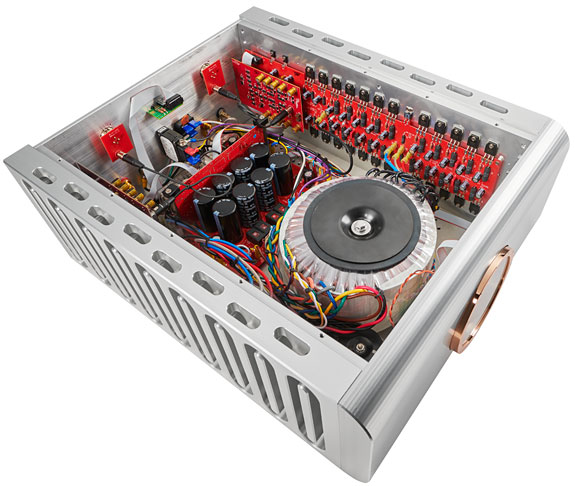
Heaven 11 Billie Amp Mk3 tube/class D hybrid integrated amplifier Review
May 26, 2026 Comments Off on Heaven 11 Billie Amp Mk3 tube/class D hybrid integrated amplifier Review
In my review of the Mk2, I suggested that Heaven 11 upgrade the RCA input jacks, but it appears for the sake of affordability they are unchanged. The company might have to retool the chassis for such a change, so I can see why they have not done so. Still, I hope that in the future with new designs such an improvement is employed. Does that issue put me off from using the Mk2 or Mk3? Absolutely not! I have had other components with similar RCA jacks. The firmness of the connection is not confidence inspiring, but it never seems to affect the operation. Thankfully, the company is putting the money into serious speaker posts, and the ones used in the Mk2 and Mk3 are exemplary! The heavy posts inspire confidence when heavier cords with spades are cinched down. Far better the speaker posts are strong than the other way around.
As it appears a similar chassis was used for the Mk3, there is still quite close spacing of the output posts, and larger spades are closely anchored. Thus, I continue my precautionary practice of slipping a piece of leather (any non-conducting material will do) between the posts and spades to ensure that if one is loosened it does not contact the other. We know what would happen then, and I take no chances with a class D amp’s output channels shorting. The spades have never come loose previously; the posts are very good. But I am not about to chance it. It may seem odd, then, that I go about system building by splitting digital signals out from sources and horizontally wiring pairs of integrated amplifiers to speakers! While these are odd methods, I have not found them to pose serious risk to components. If they did, I wouldn’t use such methods. As usual, such activities are “do at your own risk”.
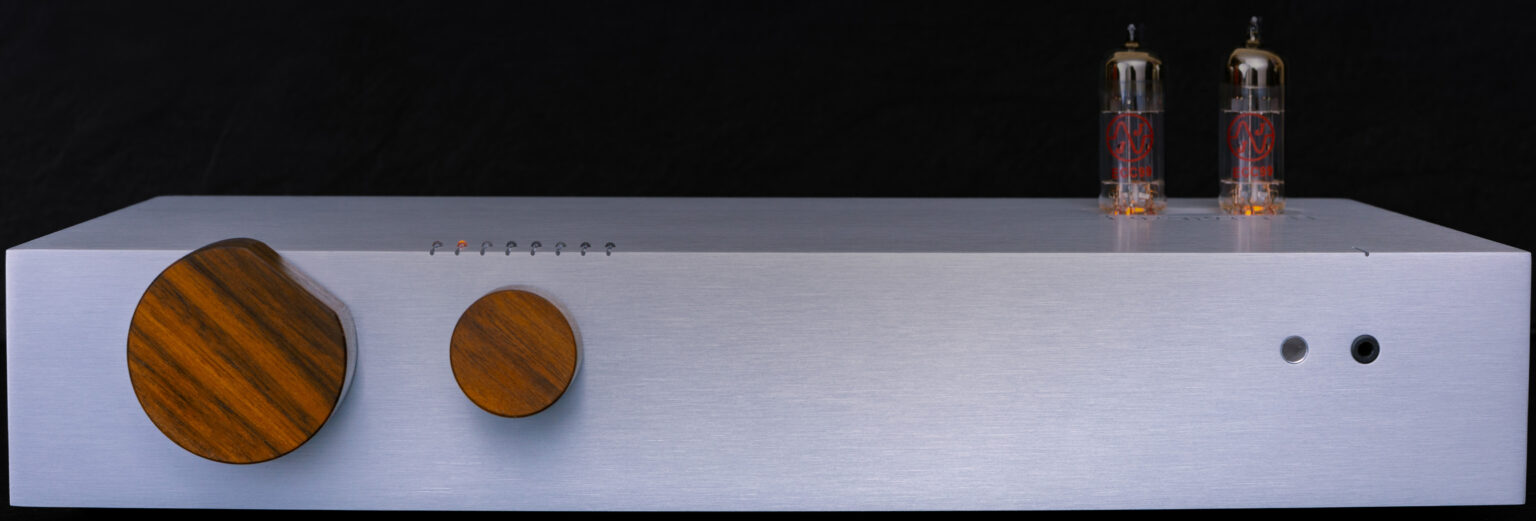
Pass Labs INT-250 Integrated Amplifier Review
May 26, 2026 Comments Off on Pass Labs INT-250 Integrated Amplifier Review
NAD M33 V2 streaming amplifier Review
May 18, 2026 Comments Off on NAD M33 V2 streaming amplifier Review
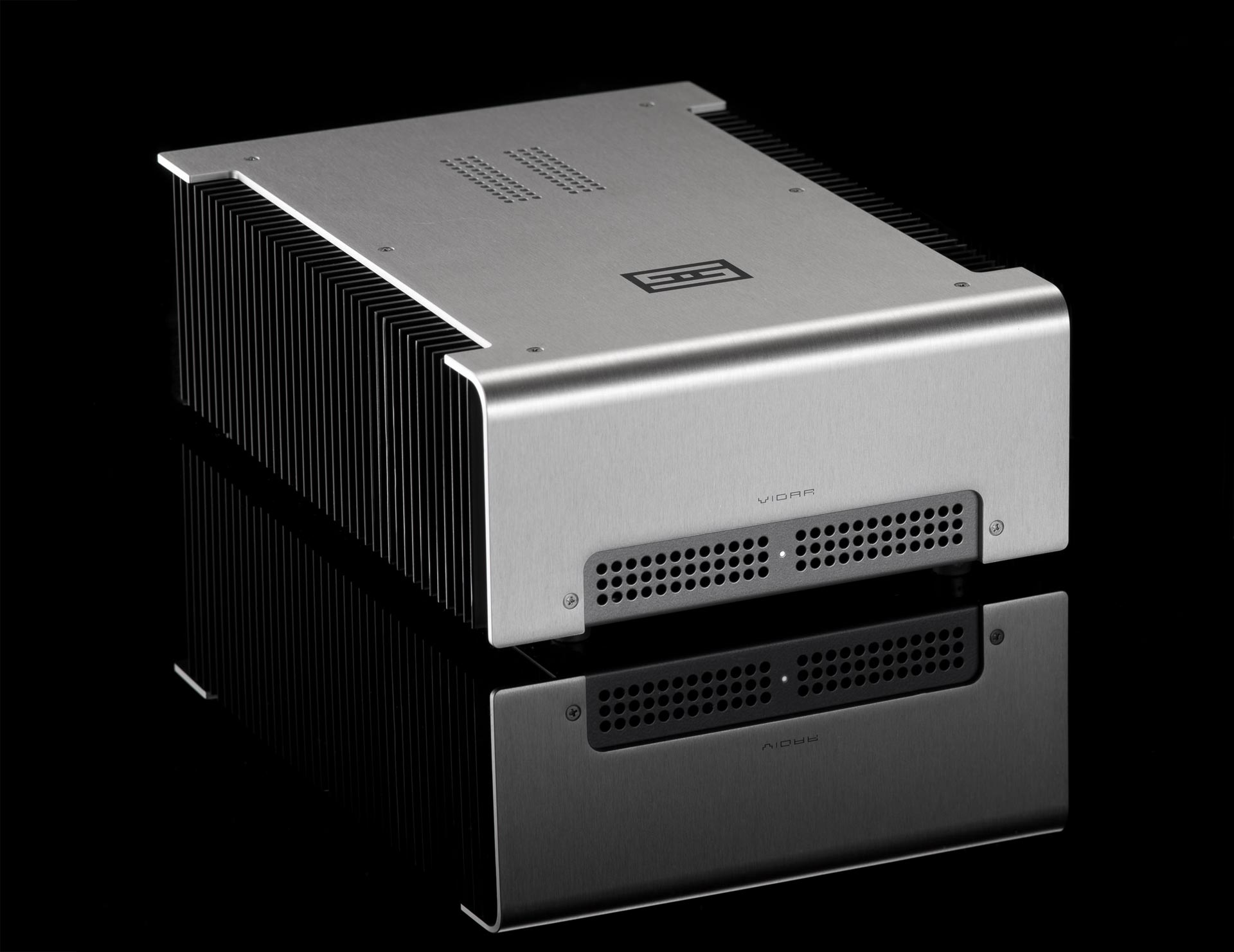
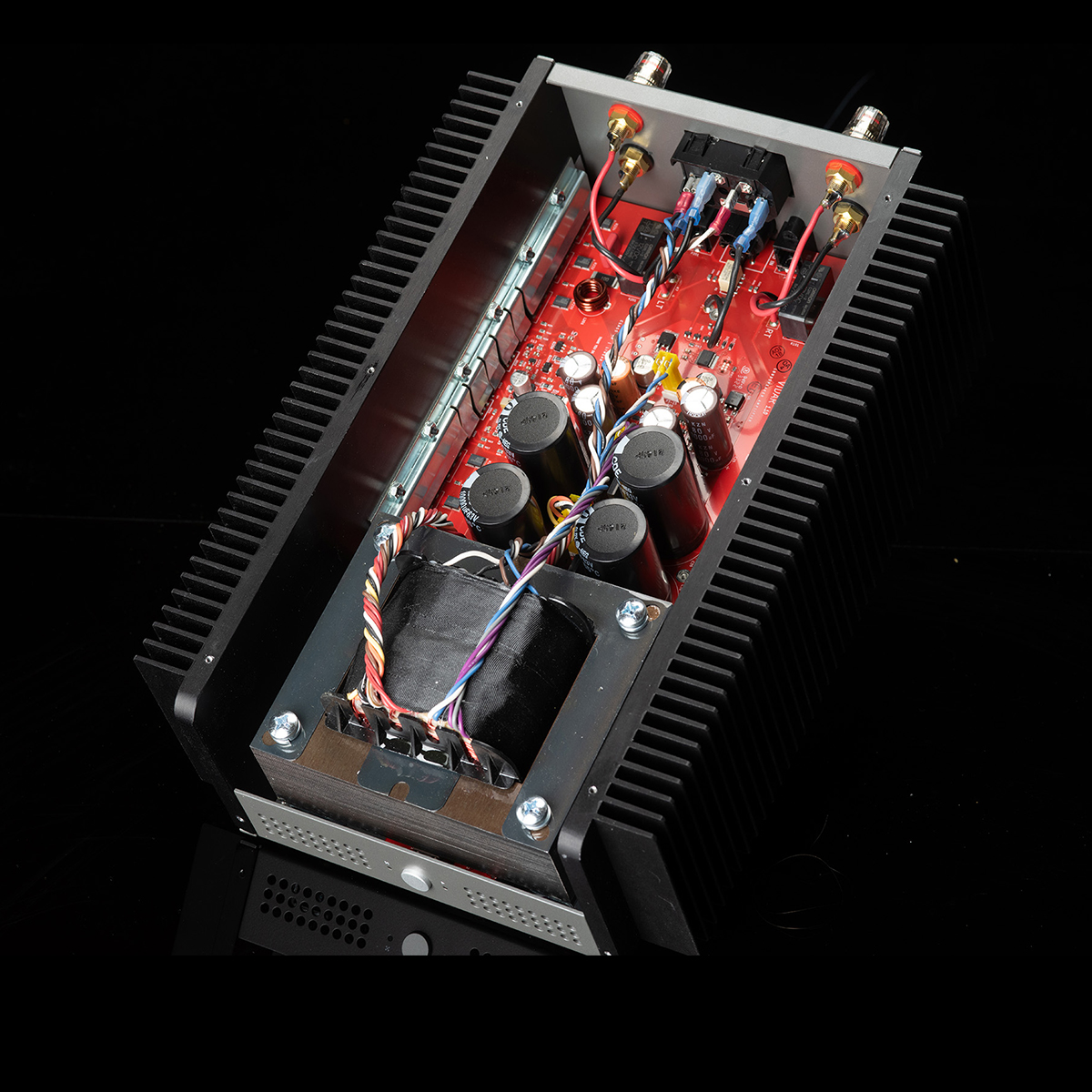
Schiit Audio VIDAR 2 Power Amplifier $799 Review
May 11, 2026 Comments Off on Schiit Audio VIDAR 2 Power Amplifier $799 Review
Schiit offers all their products with the possibility of returning it within fifteen days, provided you pay a restocking fee. The restocking fee varies throughout the product line. For the Vidar 2 its 5%. Okay, that’s not the same as a free trial. For a black Vidar 2, without Forkbeard, it would be a $40 trial plus the shipping to send it back. Maybe not an easy pill to swallow if you’re not liking the product. Maybe audio equipment reviews serve a purpose after all. Also, I think it would be a challenge to have the amp completely broken-in during that time.
Nonetheless, I think there’s a good chance you will like the product. The Vidar 2 is not a giant killer sound-wise, but it does nibble at the ankles and even knees of giants. When you factor in the price, you could say that it’s handing out some black eyes.
I was comparing the Vidar 2 to a more-than 6x more expensive Parasound, which is by no means fair, but it does illustrate a point: there isn’t much in the price range of Schitt components. Even the less-expensive Parasound amps don’t get down to the price range of the Vidar 2. In the used market, your choices would be: limited, unlikely to be bridge-able (for mono mode) and out of warranty.
Woo Audio WA300-BAL Integrated Amplifier | REVIEW
May 7, 2026 Comments Off on Woo Audio WA300-BAL Integrated Amplifier | REVIEW
https://pt.audio/2026/04/05/woo-audio-wa300-bal-review/
The Woo Audio WA300-BAL brings the ease of mind that allows you to fully imagine the replication of your favorite artist. It also sneaks in some of that intangible energy that exists in-between the notes. It feels both high-end and luxurious. The design looks might be polarizing for some, as might the two volume pots, but in execution everything just worked. That goes double for the sonics. The only real crime here is that more of the audiophile population will not be able to lay their ears on this engaging sound. I highly recommend swinging by an audio show or dealer to check it out if you are in the market. Very well done and highly recommended.
Onkyo P-80/M-80 pre/power amps Review
May 7, 2026 Comments Off on Onkyo P-80/M-80 pre/power amps Review
https://www.hifinews.com/content/onkyo-p-80m-80-prepower-amps
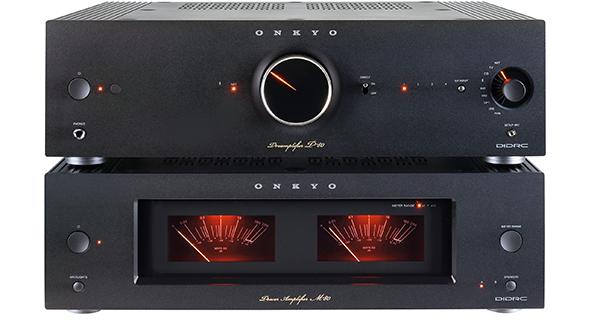
As expected, it’s a performance packed with rousing orchestral themes to get the M-80’s juices flowing, but the system also impressed with the delicate clarinet and harp of ‘Stargazer’, from Steven Spielberg’s E.T., before the arrival of massed strings. Once again, the P-80 had the resolving ability to uncover little nuances, just as the M-80 had the power reserves to rise to the occasion for the ‘Imperial March’ from Star Wars. Like the best hi-fi stacks of the past, Onkyo’s new pre/power is a thrilling combination.


You must be logged in to post a comment.