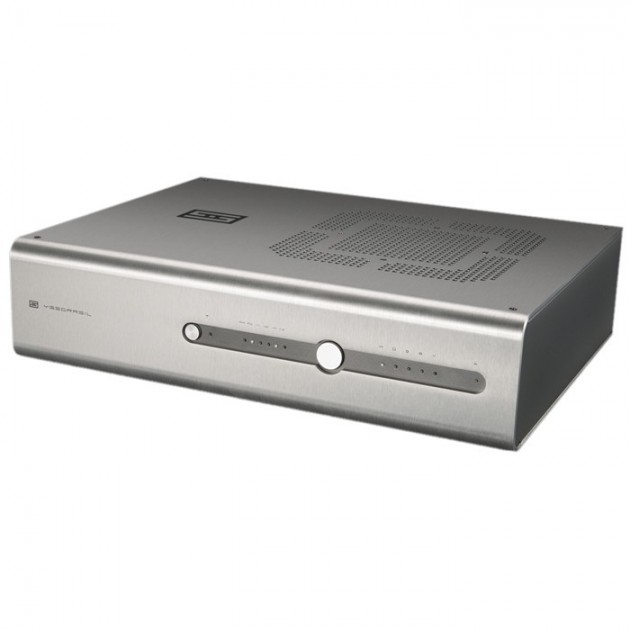
Schiit Audio Yggdrasil $2,199 Review
October 11, 2021 Comments Off on Schiit Audio Yggdrasil $2,199 Review
https://audiophilestyle.com/ca/reviews/schiit-audio-yggdrasil-less-is-more-review-r1049/
Another instrument where you hear the improvement with the LIM is a Hammond B3, which just has more of that warm organic tube sound of the real thing. As for bass, listen to the track Starbuck Blues from The Ray Brown Trio, live at Starbucks (link). I was fortunate to see Ray Brown perform once in a club and through the LIM, this is what I remember his bass sounding like, even more so than through the OG. Meaty, rough and gruff. Ditto for the track C.C. Rider from Overseas Special featuring Monty Alexander on piano, Herb Elłis on guitar and Ray Brown on bass. Through the LIM, you hear even more of the club ambiance in this live recording. Please check this one out if you haven’t already.
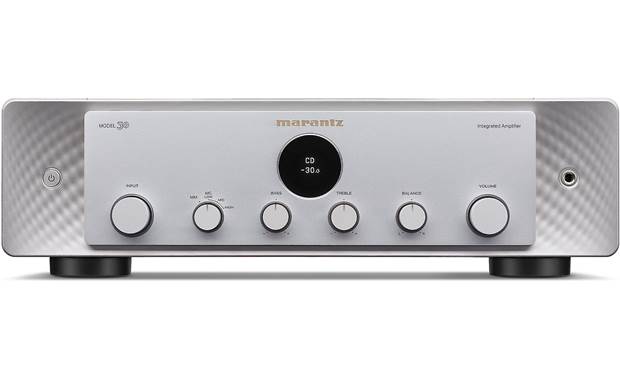
Marantz Model 30 Integrated Amplifier $2,500 Review
October 8, 2021 Comments Off on Marantz Model 30 Integrated Amplifier $2,500 Review
The Marantz Model 30 Integrated Amplifier is in some ways, something of an anachronism. Its lack of digital circuitry may rule it out of consideration for some audiophiles. However, if you’re the consumer who wants the ultimate in simplicity AND great sound in a minimum number of boxes, this amplifier could serve as a great anchor for your stereo sound system.
On the other hand, if you have a primarily phonograph-based system and/or a separate digital front end, you get amazing sound at a fraction of the cost (but 99% of the sound quality) of MUCH more expensive separates systems. So, consider carefully what you want from an integrated amplifier, and if the Marantz Model 30 meets your needs, then buy without worries! The sound quality of this integrated amplifier more than justifies its price.

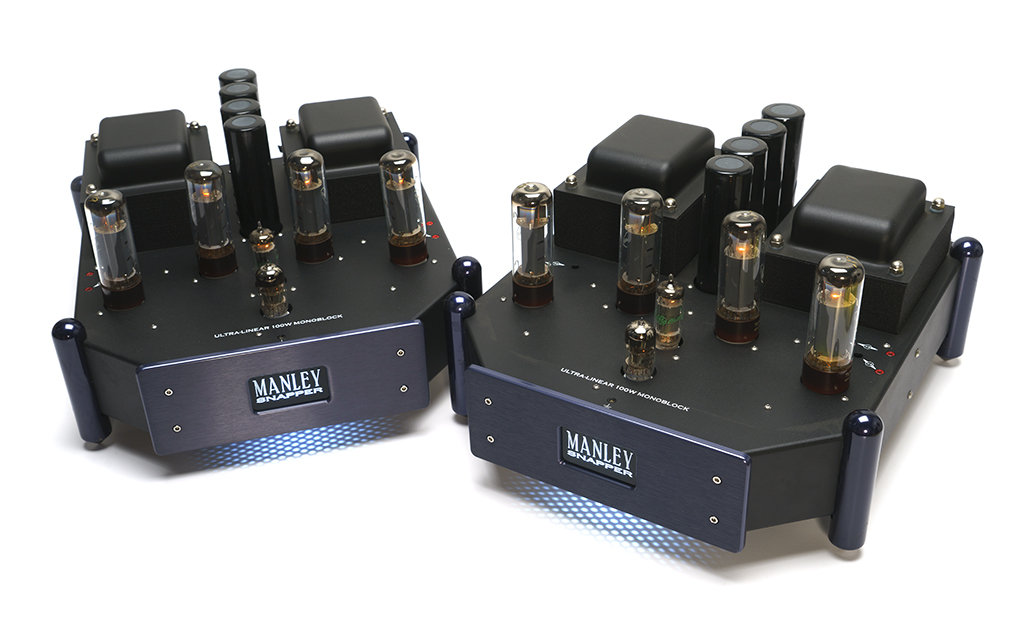
Manley Snapper Monoblocks Review
October 7, 2021 Comments Off on Manley Snapper Monoblocks Review
The Manley Snapper Monoblocks
One more thing worthy of note, while some tube amps these days support an auto-bias configuration, the Snappers need to be biased manually. Manley provides excellent instructions in the owner’s manual and on their website -it’s not that tough. They are even kind enough to include a basic digital multimeter (DMM) so you won’t have to source one. Usually, biasing power tubes needs to be done when they are new, again at about 100 hours, and maybe double check every few hundred hours. Somewhere down the road, one or more of the output tubes will no longer bias up, or you’ll notice a bit of softness in the high frequencies. That’s when it’s time for new tubes. Unless you’re made of money, work with the standard tubes. Rolling EL-34s these days is expensive.
Triangle Art M-100 Mono Amplifiers and L-200 Preamplifier $23,000 Review
October 4, 2021 Comments Off on Triangle Art M-100 Mono Amplifiers and L-200 Preamplifier $23,000 Review
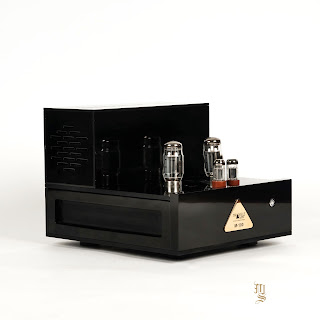
Under the best circumstances a review, for me at least, will result in widening perspectives and expanding my knowledge regarding what is possible in high-end audio. Keep in mind, this system is designed as purist in form for the purist at heart. There are no creature comforts such as remote volume adjustment or input switching. As my current set up must accommodate my family’s entertainment center, the lack of remote and the temperament of tubes makes this an affair of whimsy and abandon rather than a long term committed relationship. But make no mistake, the Triangle Art M-100 amplifiers and L-200 preamplifier recreates music with verve and life adding up too an intensely musical experience.
Naim Uniti Star $4999 Review
October 1, 2021 Comments Off on Naim Uniti Star $4999 Review
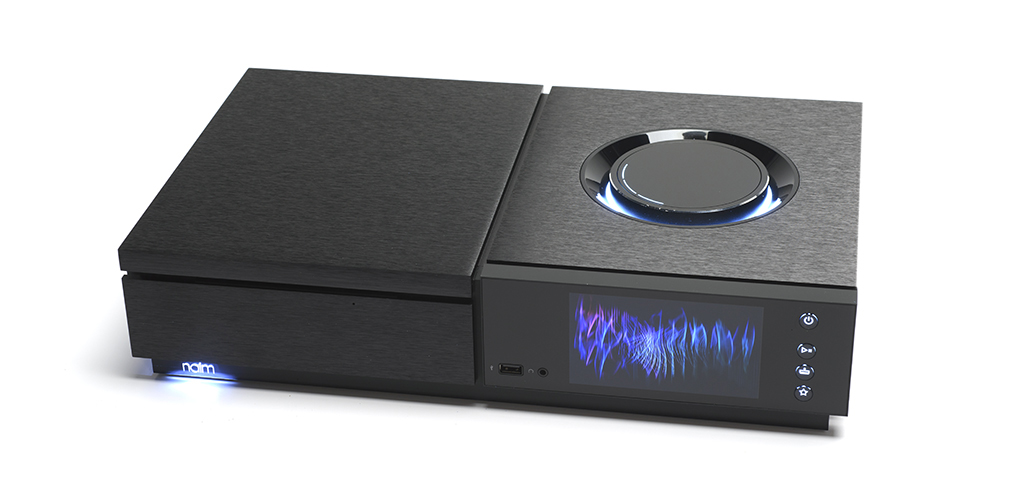
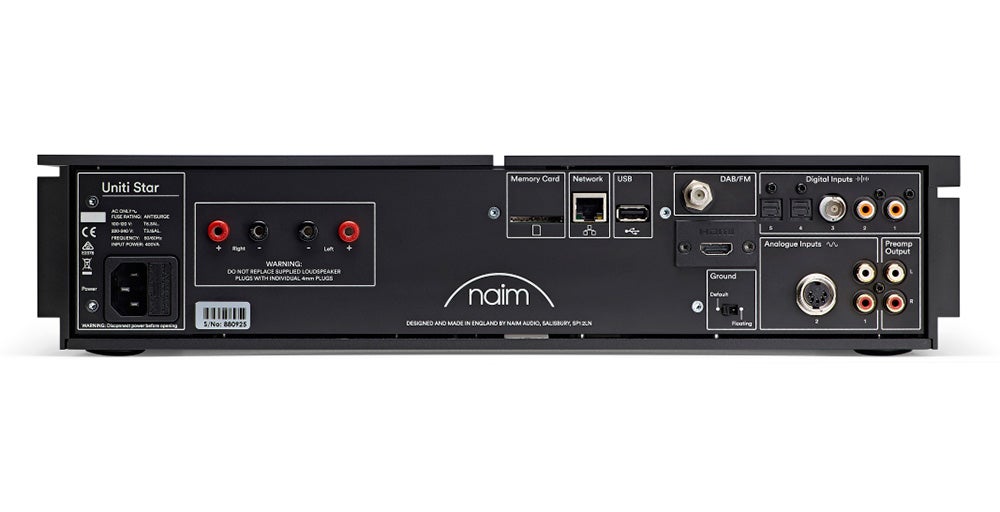
REVIEW: The Naim Uniti Star
I have to confess being a huge fan of the Naim Uniti products. They offer so much value and performance in a relatively compact chassis, it’s the perfect spot for the music lover wanting a high-performance system without huge footprint. If you’re an all-digital music lover, just add speakers. As a vinyl lover, I had to add a turntable to the mix, in this case a Rega Planar 3, and just to keep it all British, pulled out the Naim Stageline phono. Sitting on top of a Herman Miller Nelson Bench, this all looks smart as hell, while delivering the goods.
I ran the Star with everything from the $149k/pair Focal Stella Utopia Ems down to a pair of LS3/5as. Personally, I really enjoyed this system with the Focal Kanta no.1s. You can order this as a combo from your Focal/Naim dealer and live happily ever after. As long as you choose a pair of speakers with about an 86dB/1watt rating, you should be just fine. The Star makes a lovely match with a pair of Harbeth C7s too.
Technics SU-R1000 Integrated Amplifier $9499 Review
September 30, 2021 Comments Off on Technics SU-R1000 Integrated Amplifier $9499 Review
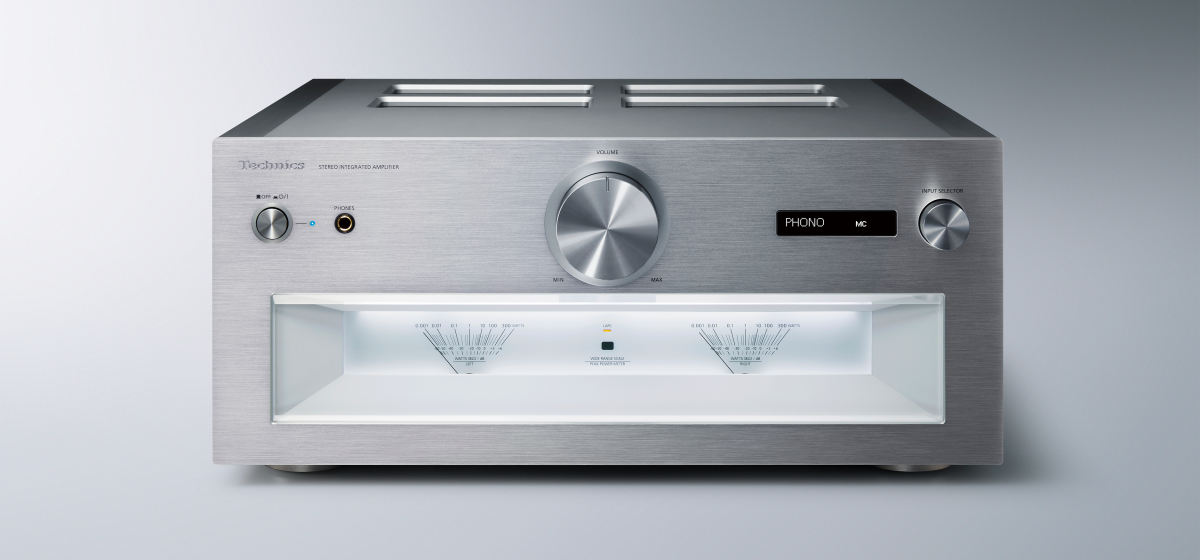
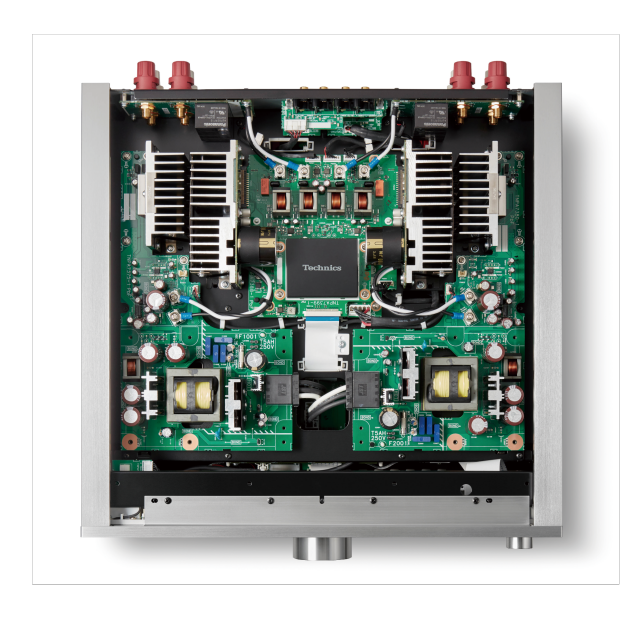
I don’t want to imply that digital sound is taking over, or that tube and solid-state equipment are not still competitive, or that integrated amplifiers will become the wave of the future. I do believe, however, that the SU-R1000 is truly competitive and an excellent buy, even at its price.
One of the potential curses of being a reviewer is that you’d like to keep every really innovative and great-sounding piece of equipment you audition, along with all your existing equipment. One of the benefits is that you realize there is no one right answer, and that even equipment that is decades old can still be exciting and “reference quality” in its ability to let you enjoy your music.

Cambridge Audio CXA81 Review
September 26, 2021 Comments Off on Cambridge Audio CXA81 Review
https://www.whathifi.com/us/reviews/cambridge-audio-cxa81
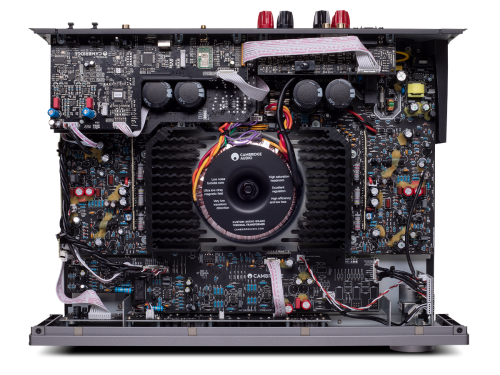
The CXA81 perhaps sounds a little forward, but its level of expression is such that it is sympathetic to more minimal, sombre recordings as well. Feed it a solo piano work or chamber quartet and it is only too pleased to show you its more caring, gentle side.
What really shines through though is a level of clarity that not only pips its rivals, such as the Rega Elex-R, but also makes them appear a touch cloudy. It is one thing beating this talented Rega amp for timing and dynamics, but to offer a more polished, insightful, even more mature presentation is a real turn up for the books.

VAC Sigma 170i Integrated Amplifier Review
September 25, 2021 Comments Off on VAC Sigma 170i Integrated Amplifier Review
https://www.hifinews.com/content/vac-sigma-170i-integrated-amplifier
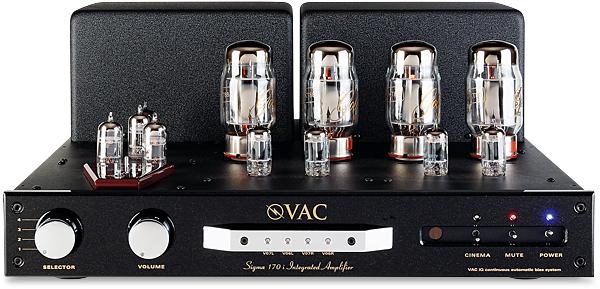
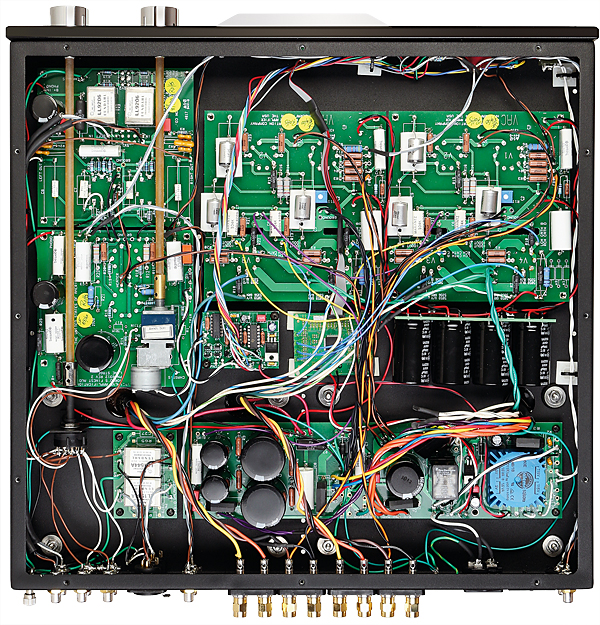
This prowess, however, wasn’t dependent on the superior pressing at higher speed. With the 2014 reissue of Etta James’ sublime Tell Mama on Bear Family [BAF108026], certainly not known as a label of the audiophile tendency, the otherwise average recording did not hold back one iota of James’ peerless, powerful vocals on this milestone LP.
You want emotion? Here Etta James rips out your heart, and the Sigma 170i ensured that every dynamic moment was treated with respect. Damn, this is a fine amp.
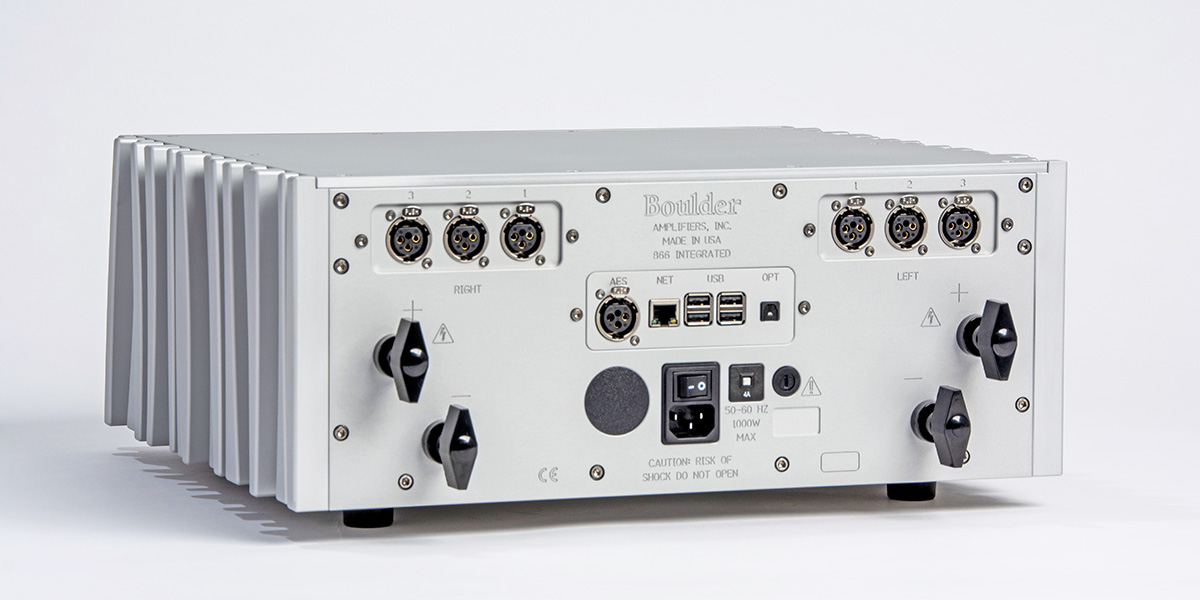
Boulder 866 integrated amplifier $14,950 Review
September 25, 2021 Comments Off on Boulder 866 integrated amplifier $14,950 Review
https://www.stereophile.com/content/boulder-866-integrated-amplifi
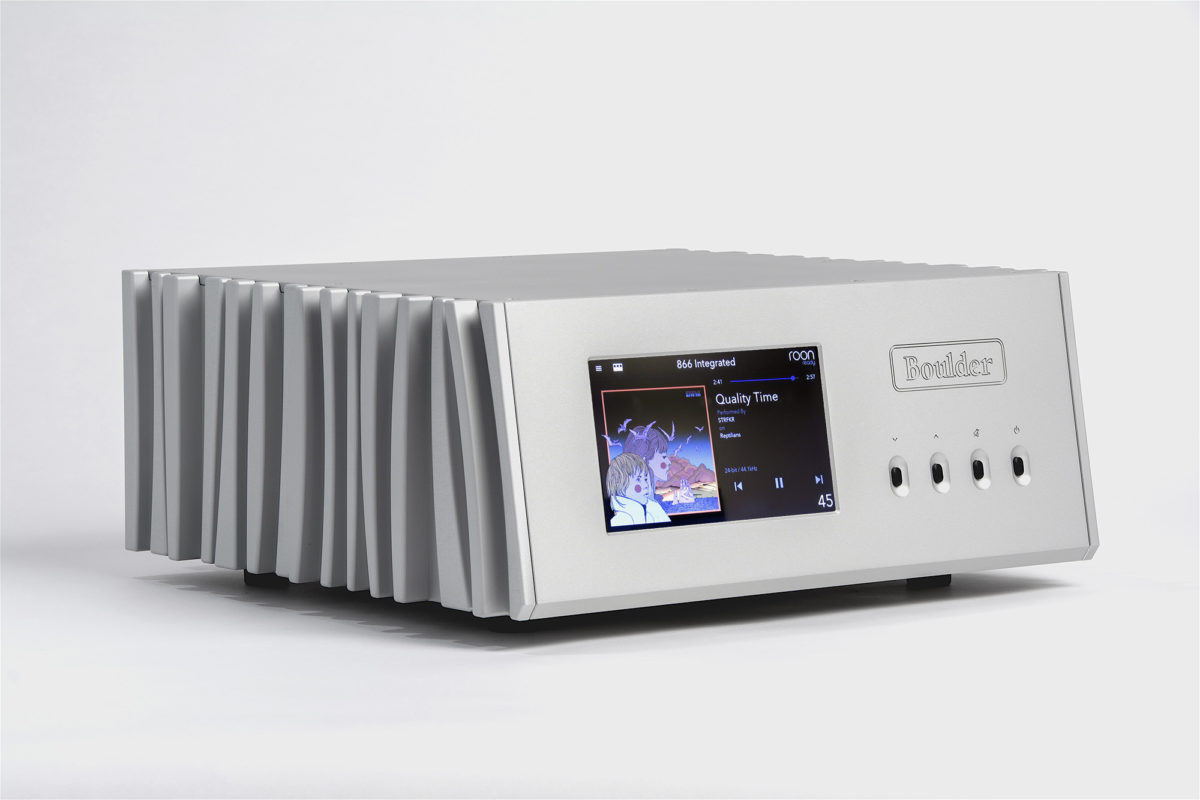
I ate up the beautiful midrange on Rickie Lee Jones’s subversive take on “Sympathy for the Devil” from The Devil You Know (16/44.1 FLAC file, Concord); hers is a devil you want to pal around with, come what may. I was enamored of the natural sweetness, radiance, and warmth of soprano Elly Ameling singing about the stars of heaven in Schubert’s “Die Sterne,” with Dalton Baldwin on piano, on the indispensable four-CD anthology The Artistry of Elly Ameling (16/44.1 FLAC, Philips/Qobuz). Jones and Ameling’s very different voices sounded just as I expected them to sound. Next, lured back to the devil’s territory by the final “Sacrificial Dance” from Ludovic Morlot and the Seattle Symphony’s take on Stravinsky’s The Rite of Spring (24/96 WAV file, Seattle Symphony Media), I again found colors spot-on. I may not have heard shake-the-floorboards bass (footnote 4), but the piccolo had realistic bite, the rhythms were firm, and the music was thrilling.
AGD Gran Vivace Monoblock Amplifier Review
September 19, 2021 Comments Off on AGD Gran Vivace Monoblock Amplifier Review
https://www.hifinews.com/content/agd-gran-vivace-monoblock-amplifier
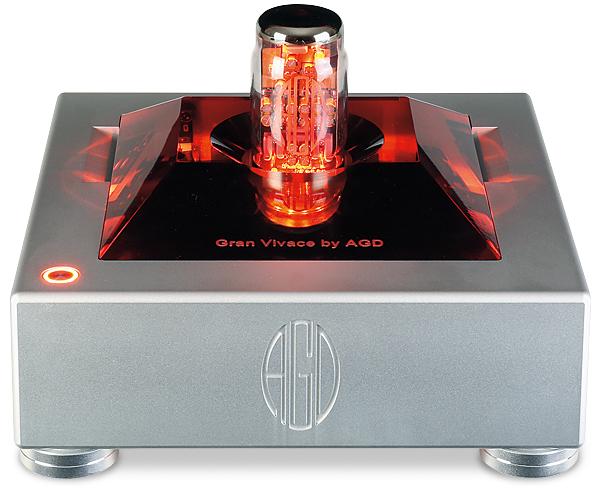
My only concern is the vulnerability of the GaNTube, exposed and waiting to be smashed or knocked over. I would ask AGD to fashion a cage as per the smaller AGD Audion, but obviously more in keeping with the Gran Vivace’s modern look, rather than the Audion’s ‘steam punk’ plumage.
Most listening was undertaken sans preamp, as I’m currently fixated on sources with output controls, eg, most tape decks, phono stages for LP-only systems, etc. And why not? It eliminates all that circuitry, a set of interconnects and shortens the path; the only sacrifice is extra inputs. As the Gran Vivace has two selectable inputs, I fed the Otari MX5050 directly via XLRs, and used the single-ended input for other sources. Also, the partnering Andante preamplifier never made it past PM‘s lab tests, it proving faulty and was rejected.


You must be logged in to post a comment.