Audience FrontRow Reserve PowerChords $7500 Review
March 4, 2026 § Leave a comment
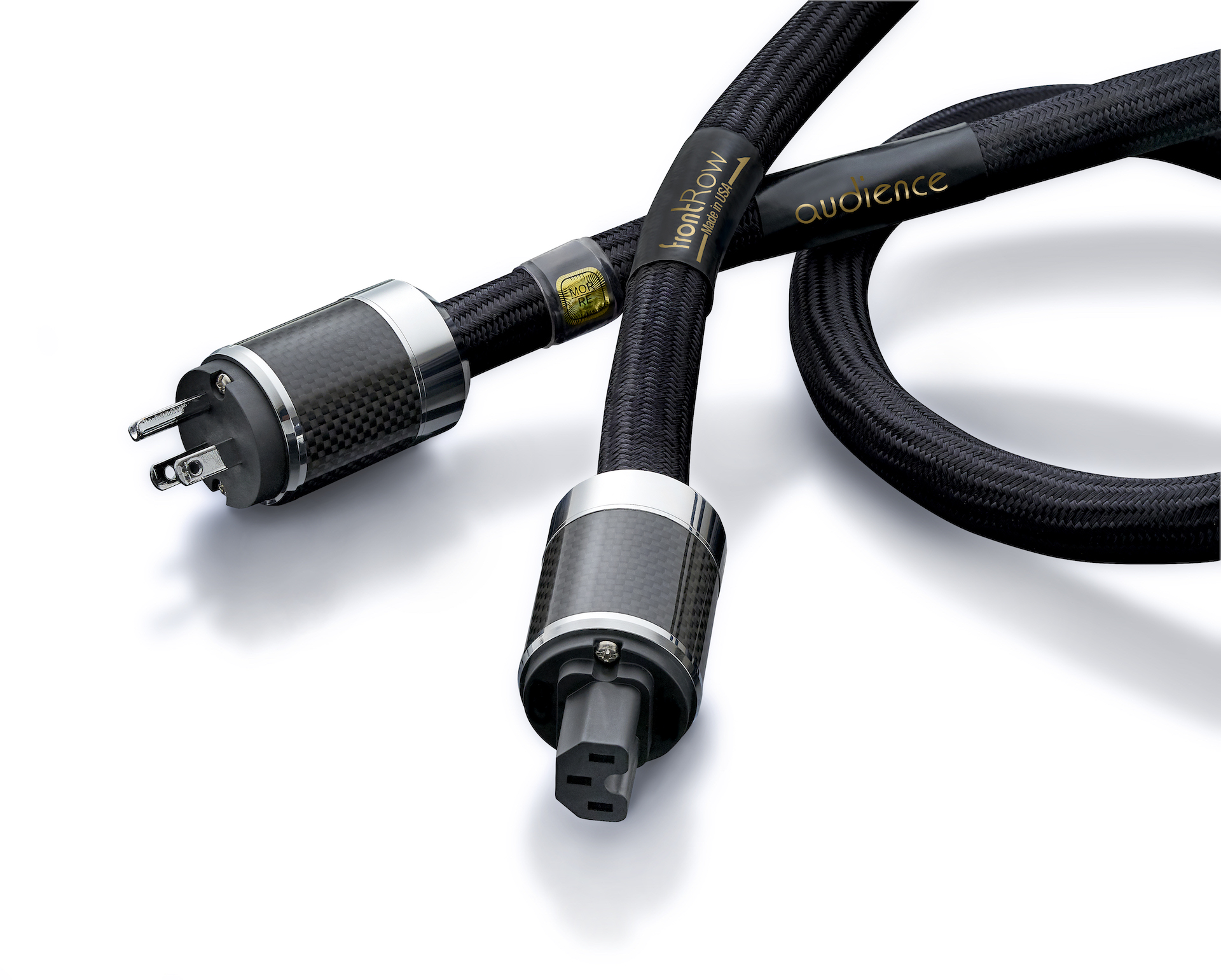
Unlike the standard Front Row series, a tiny number of OCC silver strands has been added to each model of the Front Row Reserve series. John McDonald wrote: “Each RCA and speaker cable uses just one 28 AWG OCC silver strand, and the XLR cables use two strands, and the 10 AWG Reserve powerChord has four strands, while the vast majority remains OCC copper.” John also shared that Audience uses a proprietary extreme high-voltage treatment to smooth the sonic character of the silver—something that Synergistic Research also does to treat their cables.
Each of the six conductors in the power cord is housed in Pure Virgin Cross-linked polyethylene, and a special geometry and spacing are used to minimize magnetic inductance and interaction between the conductors. An oxygen-free copper shielding shunts RFI and EMI noise to ground. Additionally, a proprietary formulation of natural crystals is used in the cable to reduce the effects of RFI/EMI. The cables are given a deep-Cryo treatment and a 3 or 4-day burn-in before shipping. The beneficial effects of natural crystals have been known for at least a decade in audio circles, and I’ve reviewed a couple of accessory products that use them, with more in the works.
Conspicuously absent on the powerChords are any connections for active grounding systems, tuning bullets, or even a compartment for proprietary technology, as seen on some very high-end power cables. In use, the outer sheathing had a soft, luxurious feel, the weight was about what you would expect, and the flexibility of the cable was pleasantly sufficient for navigating the tight spaces in my rack between my components and the adjacent wall. The absence of any protrusions or other connections on the cable was very welcome when it came time to swap cables.
Shanling UA7 $298 Review
March 3, 2026 § Leave a comment
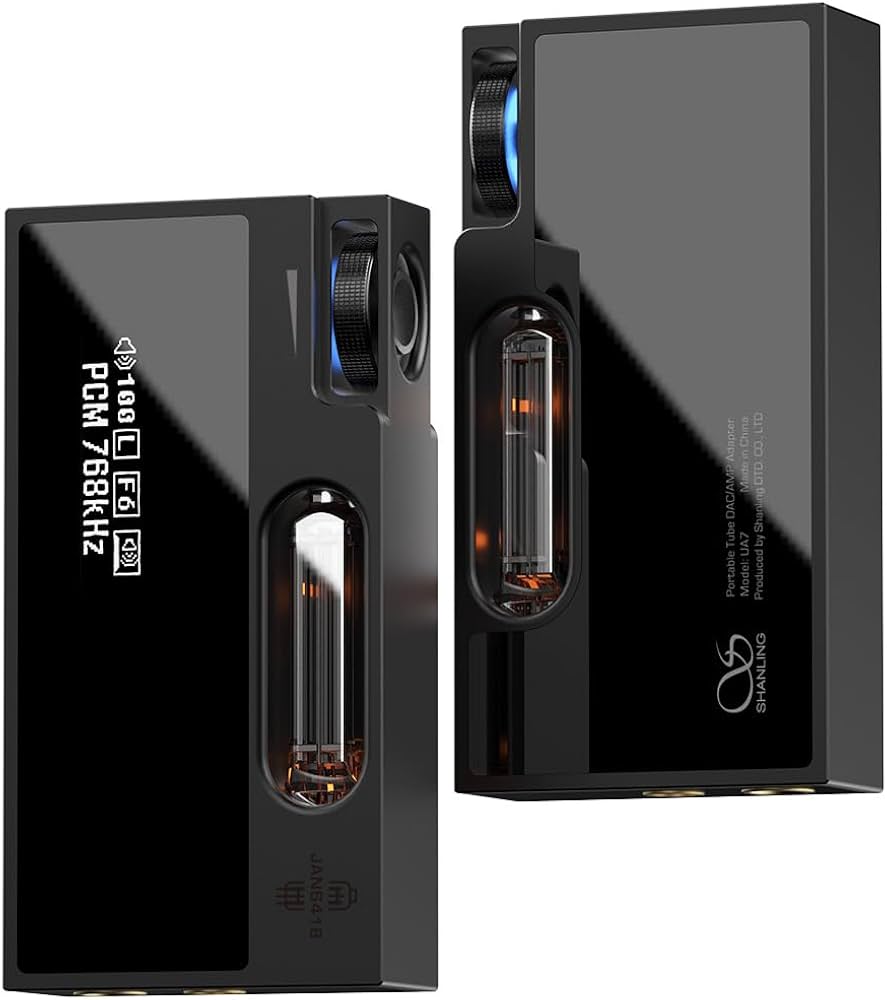
Overall, the Shanling UA7 is capable of a formidable soundstage performance level that will upscale with headphones or IEMs that possess that sonic character, and performs leagues above what past dongles were capable of, including some older Shanling models.
The staging is wide enough to be considered ample with lots of real estate, but focused enough not to sound unnaturally sparse. Elements remain focused within the large sonic panorama.
Depth and layering are all presented in a modest amount since the UA7 is capable of frontal depth, strong imaging capabilities, and lots of separation, depending on the recording.
LAiV Verse DAC/headphone AMP Review
March 3, 2026 § Leave a comment
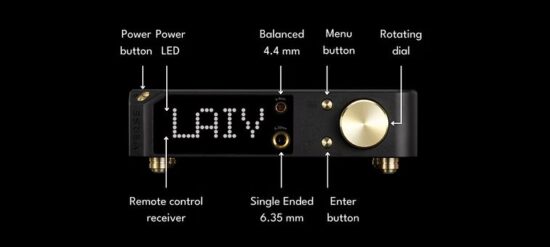
To provide an unprocessed source, I used a direct USB connection from the MU1 to the uDDC. With the uDDC providing a music signal via I2S, as is typical for this format, the sound is even better than with the more traditional formats. Compared with the coax input, the I2S connection further enhances precision, crispness, and expression without introducing drawbacks. Even though the sound is now even more detailed, there is no dryness, which makes it easy to listen to.
FiiO M27 $1799 Review
February 28, 2026 § Leave a comment
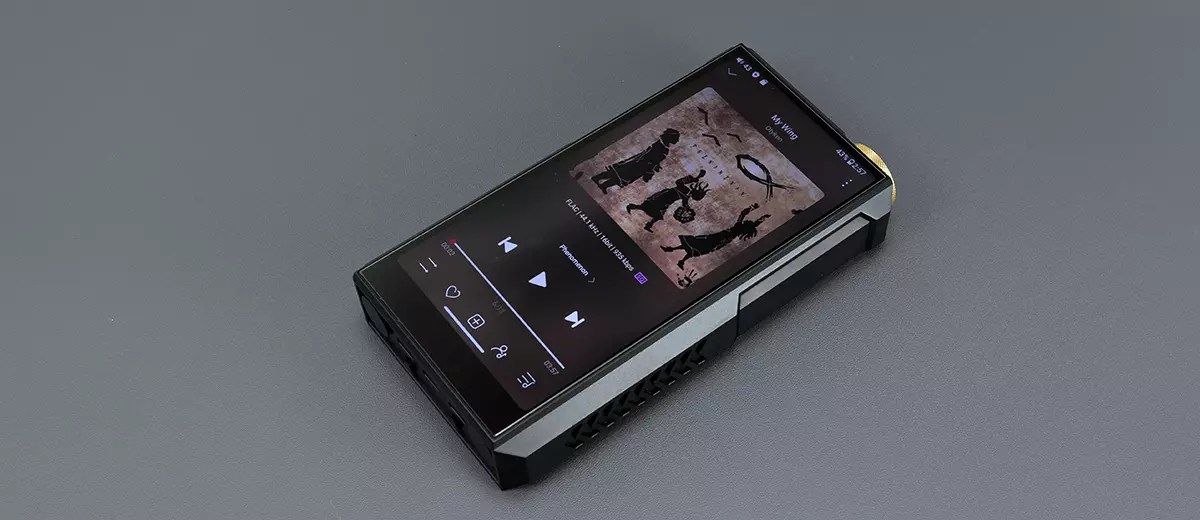
I would say, however, the included Allan key is a bit too big and awkward to use with the screws, so if you have a small Philips Head screwdriver, I recommend that one as it is a lot faster.
Aside from that, you get the new grey leather case with enhanced button access, integrated cooling gel, and a larger heat dissipation plate on the rear. It uses a Velcro flap rather than the M17’s tucked-in variant and feels a little more secure as a result.
Aside from those, you also get a cleaning cloth, a pin tray tool for memory card access, a USB-A to Type C adaptor, a long USB-A to USB-C cable, and a shorter USB-C to USB-C alternative.
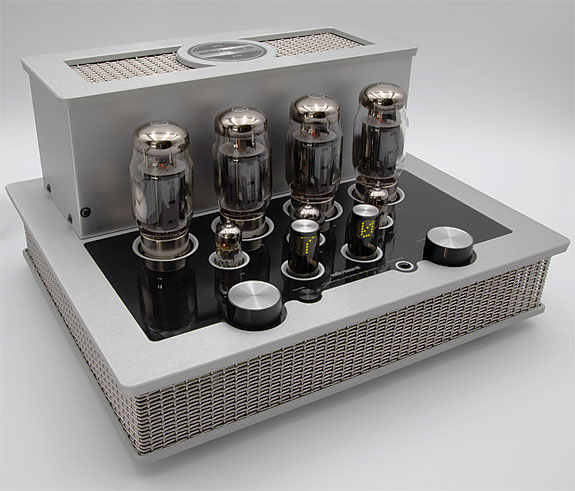
World Premiere Review!Audio Research I/70 Vacuum Tube Amplifier Review
February 28, 2026 § Leave a comment
Finally, we get to the thing I am most curious about. And that is the sound of vinyl LP discs, since the I/70 has an optional MM/MC phono stage. For continuity, I was able to employ the Acoustic Live performance from both a DSD / CD and from a super quality two-disc vinyl album [Analogue Productions APP 090 ], both made from the same master tape. My favorite song on this record is “Some Must Dream”. Now, as you listen, you can hear the subtly present live sounds of the surrounding venue. That space is, in fact, a complex mix of many small whispers of sound.
For me, and what may interest those reading Enjoy the Music.com, is a large portion of this quality is described by the word “continuousness,” which is a term coined by the late Harry Pearson. It is used in part to describe an organic live presence that exists as you listen to a complex chord that slowly decays into silence. I would like to remind you of a problem inherent in Red Book lossy CD digital recordings. As the intensity / volume of a sound fades, it is treated as a least significant bit and dropped. The major difference between this vinyl recording and the same DSD / CD version is that the entire body of sound is retained as natural. It contains a complete range of frequencies, both odd and even.
With an analog recording, those overtones decay into silence naturally, just as they do in life. I wired an RCA connection from my Denon DL-301/2 cartridge to the Audio Research I/70 adjustable moving coil (MC) input. On every track, Nils Lofgren’s presence appeared deeper in the center mix, surrounded by a halo of space, texture, and tonal depth. I have tried a hundred or more little tweaks spread out over decades. A hundred micro steps closer to a tangible reality, all of them hinting at what might be possible. I believe there exists a natural synergy between a vinyl recording and a vacuum tube amplifier that has never been adequately described. I believe even now, with all the advances made by digital technology, there is still something missing. I believe stop and start waveforms just do not let instrumental overtones have enough time to decay naturally.
 Audiophilepure
You must be logged in to post a comment.