Bowers & Wilkins Zeppelin wireless speaker
October 15, 2021 Comments Off on Bowers & Wilkins Zeppelin wireless speaker
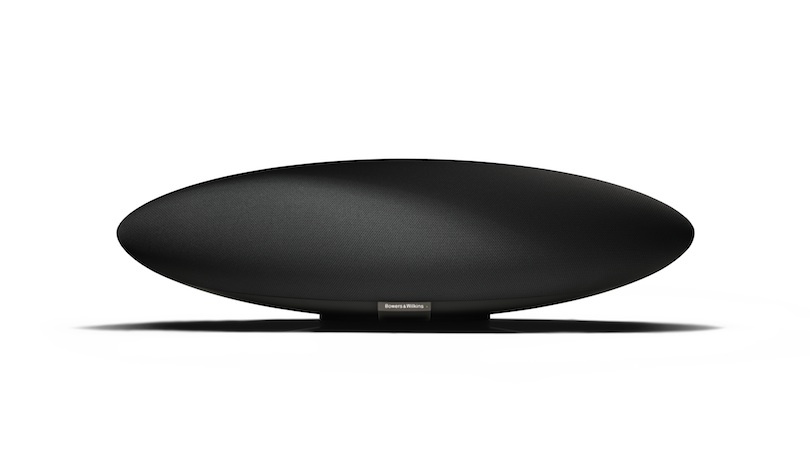
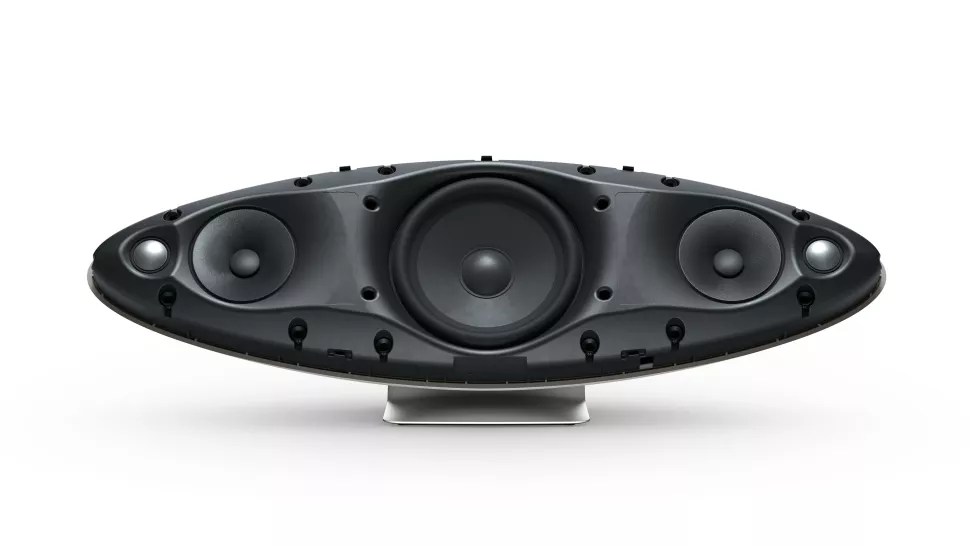
Not all of the Zeppelin magic is packed onto chips and in software, of course; B&W has implemented driver technologies from its stereo speakers into the Zeppelin-shaped single chassis. The Zeppelin boasts two Decoupled Double-Dome tweeters (as found in the heralded 600 Anniversary Series) as well as 90mm midrange drivers that benefit from the proprietary Fixed Suspension Transducer (FSTTM) technology used in the company’s high-end floorstanders. A 150mm subwoofer has been mounted centrally at the heart of the Zeppelin’s structure and optimised to avoid it detrimentally vibrating the cabinet as it operates. These drivers are fed by 240 watts of amplification in total – not bad at all for any size of wireless speaker.
The new Bowers & Wilkins Zeppelin is available in two finishes – a dark midnight grey and a lighter pearl grey – and now features dimmable ambient lighting to create a ‘halo’ effect on its metal pedestal stand. The wireless speaker system will be available from tomorrow
Nordost Valhalla 2 Reference Cables $85,000 Review
October 14, 2021 Comments Off on Nordost Valhalla 2 Reference Cables $85,000 Review
https://www.audiophilia.com/reviews/2021/4/21/ovlq03ykci2h3x4enjdvyikqx79y98
The loom was more than complete, which means all cables in my reference system could be replaced with Valhalla 2s except the ethernet cable used from my DAC. Plugging in and attaching such a valuable and beautifully-made set of cables gave me a bit of a thrill. And this before one note was played. Long time readers will know my associated reference components, all reviewed in Audiophilia. Valhalla 2 power cables were used on everything, interconnects between my Allnic preamp and MBL amp and as phonos between my Bergmann Magne Turntable and the preamp. Speaker cables with bananas attached the Alta loudspeakers to my amp. Power conditioning and outlet hardware by Audioquest. This is a system that resides in rarefied air—the cables and attached components did not embarrass one another.

ROTEL A14MKII INTEGRATED AMPLIFIER REVIEW
October 14, 2021 Comments Off on ROTEL A14MKII INTEGRATED AMPLIFIER REVIEW
Our cottage is on the smaller side. Cozy, but not the best place to visually showcase an amplifier of the Rotel’s caliber. My setup would have to be tucked away into a corner and brought out for listening sessions. Listening at high volumes for long periods wasn’t going to happen either as our cottage doesn’t really have the space. I gave it the old college try mind you but all I succeeded in doing was damaging my hearing and knocking things off shelves.
The benefit of our cottage is that it’s quiet. I mean, I knew that it was quiet, but I didn’t realize how quiet it was until I started reviewing the Rotel A14 MkII. Compared to our former home in the city, there was a lack of noise pollution. Construction, cars, people talking (or yelling in our old neighborhood). Making listening much more insightful and subtleties more apparent. It got me thinking of a future renovation of our cottage to make room for a proper listening area.
Acoustic Signature Maximus Neo Review
October 13, 2021 Comments Off on Acoustic Signature Maximus Neo Review
https://stereo-magazine.com/review/acoustic-signature-maximus-neo-review
As you can see in the frequency diagram (see technical details), the MCX2 has a slight frequency drop towards the higher registers. This only resulted in a minimally sonorous, velvety timbre, without sacrificing resolution or transparency. But think of this in the context of the energetically dense and robust playback of the turntable, with its precisely staggered spatial representation oriented towards the front edge of the stage. The MC pickup then probably has exactly the right tuning, as it counteracts overpresence and foregrounding.
Thus, the Acoustic Signature Maximus Neo has what it takes to offer an irresistible and convincing performance with its captivating intensity. Analog fans should therefore have more than a small soft spot in their hearts for this little, hard rock.
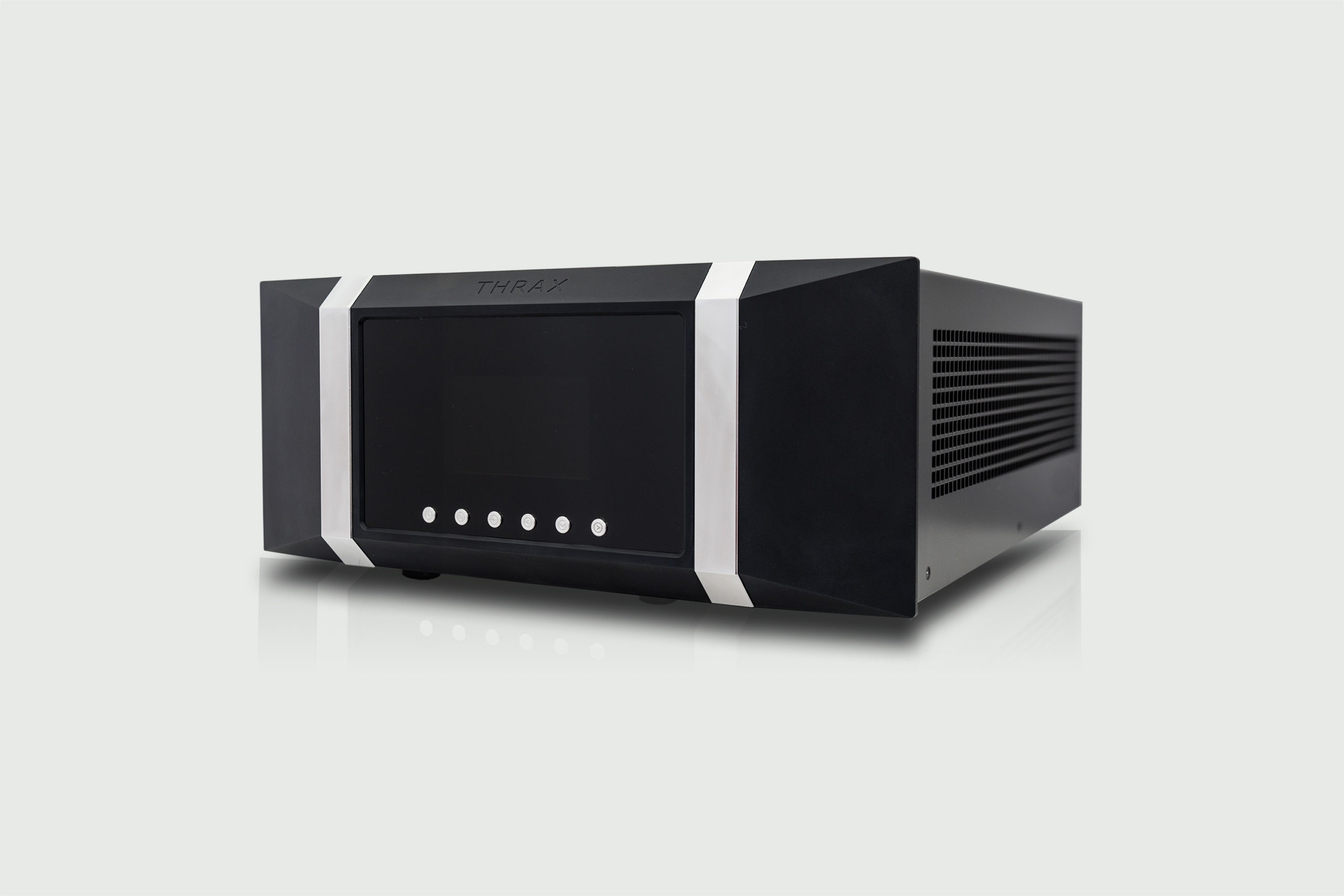
Thrax Enyo Modular Integrated Amplifier $12,500 Review
October 12, 2021 Comments Off on Thrax Enyo Modular Integrated Amplifier $12,500 Review
Equally important, the Enyo’s sonic consistency and lack of coloration in its high-level input, phono, and digital modes are all notable. The phono and digital modules have very little sound character of their own, and the same is true of the passive preamp and tube power amp. The Enyo modules provide a clean, neutral sound; the power amp is also neutral, rather than a classic or “warm” tube amplifier. You don’t hear “new” aspects of the music in the upper midrange and the highs. You hear what is on the recording. The lower midrange has equally accurate timbre, and there is no added emphasis on low-level detail, or tendency to provide more exciting dynamics than you find on the recording or source material. If you are looking for a unit that changes or accentuates some aspect of your recordings, has a euphonic emphasis that suits your musical taste, or complements some favored coloration in your speaker or cartridge, this simply isn’t the unit for you.
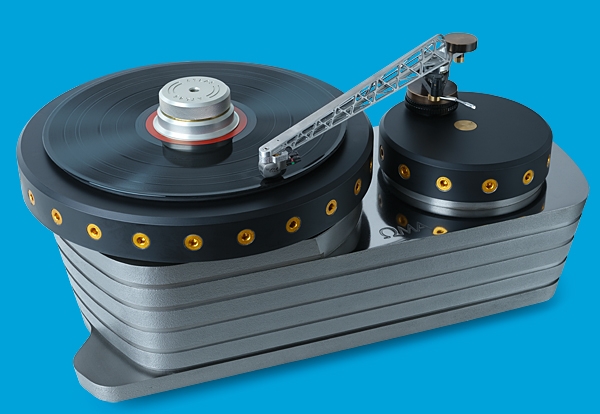
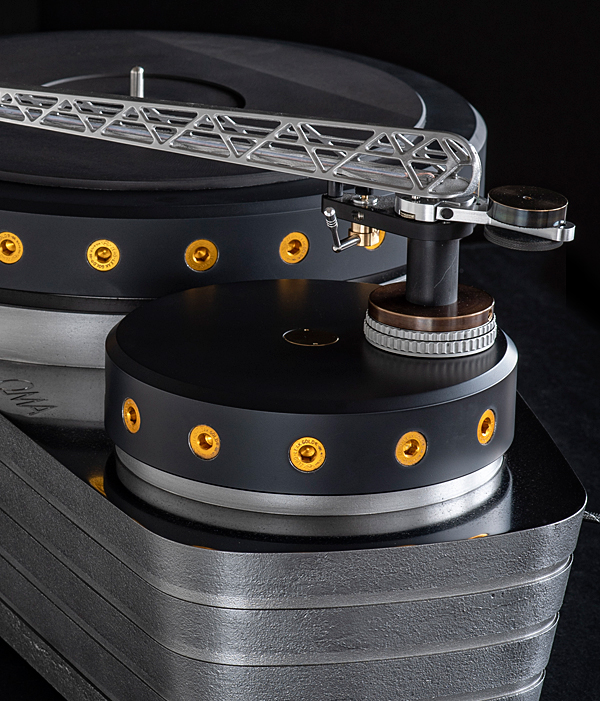
OMA K3 turntable & Schröder tonearm Review
October 12, 2021 Comments Off on OMA K3 turntable & Schröder tonearm Review
https://www.stereophile.com/content/analog-corner-314-oma-k3-turntable-schr%C3%B6der-tonearm
OMA was after exceptional dynamic speed stability; the goal was a system that would perform optimally while playing a record. Krebs said that, with finesse, higher motor torque makes it easier to precisely manage speed fluctuations under dynamic conditions.
Schiit Audio Yggdrasil $2,199 Review
October 11, 2021 Comments Off on Schiit Audio Yggdrasil $2,199 Review
https://audiophilestyle.com/ca/reviews/schiit-audio-yggdrasil-less-is-more-review-r1049/
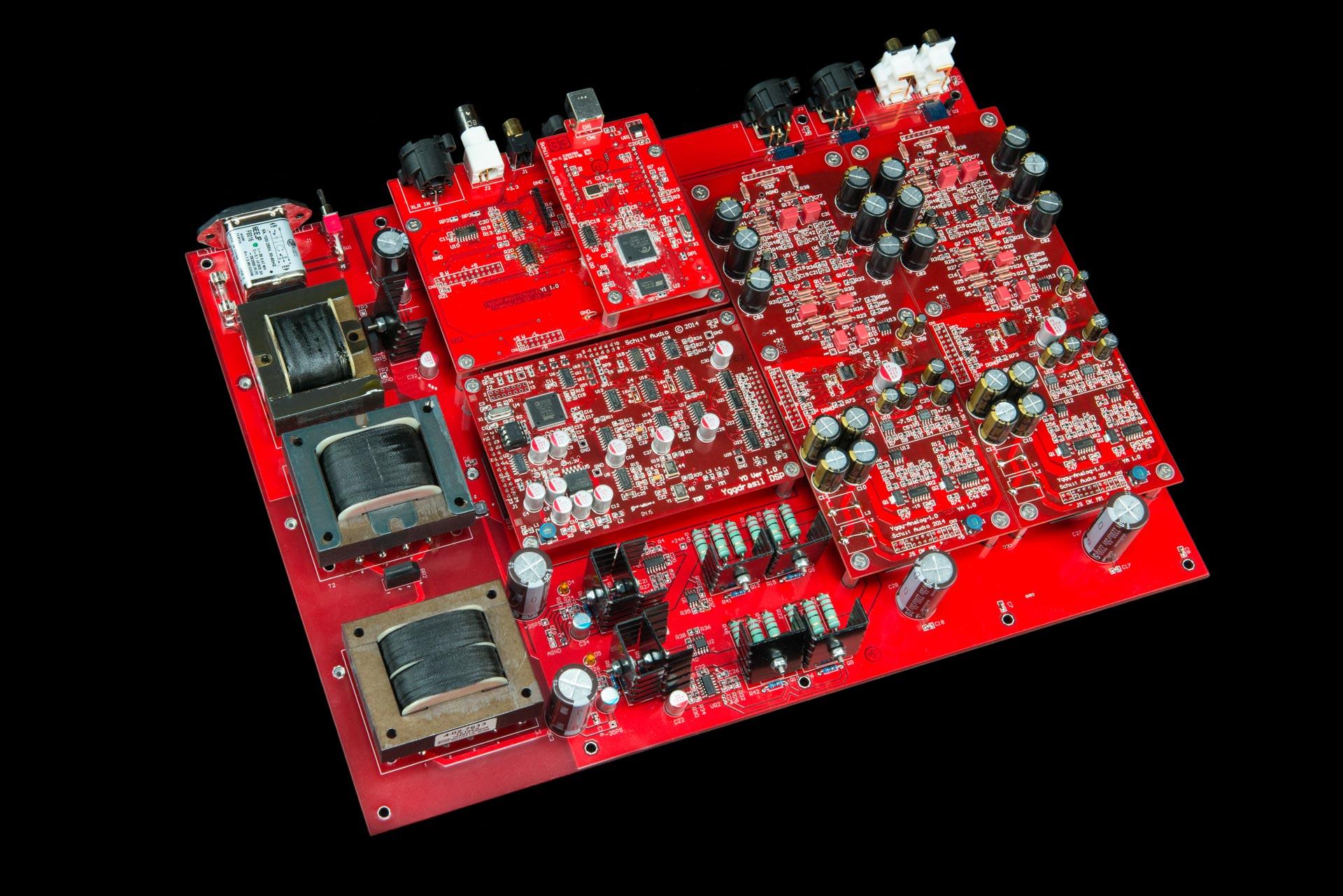
Another instrument where you hear the improvement with the LIM is a Hammond B3, which just has more of that warm organic tube sound of the real thing. As for bass, listen to the track Starbuck Blues from The Ray Brown Trio, live at Starbucks (link). I was fortunate to see Ray Brown perform once in a club and through the LIM, this is what I remember his bass sounding like, even more so than through the OG. Meaty, rough and gruff. Ditto for the track C.C. Rider from Overseas Special featuring Monty Alexander on piano, Herb Elłis on guitar and Ray Brown on bass. Through the LIM, you hear even more of the club ambiance in this live recording. Please check this one out if you haven’t already.
KLH Model Five loudspeaker Review
October 11, 2021 Comments Off on KLH Model Five loudspeaker Review
https://www.stereophile.com/content/klh-model-five-loudspeaker
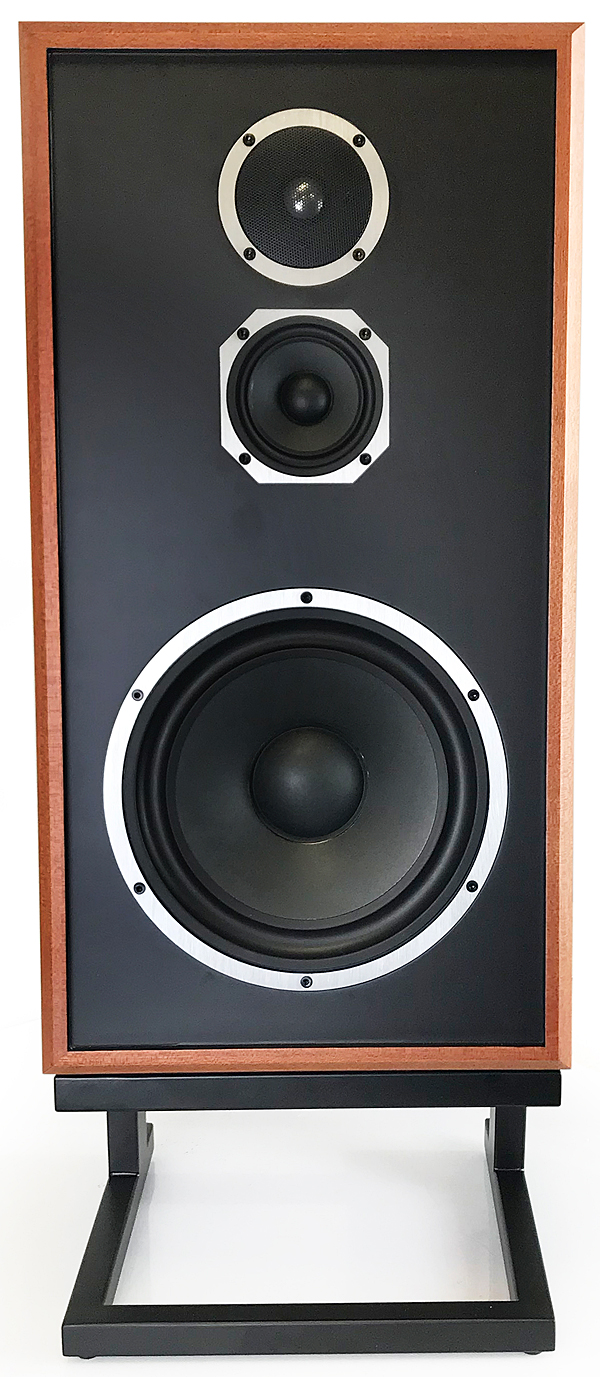
The M5s let me hear all the differences between amplifiers and recordings via its clean treble, open midrange, and controlled, authoritative bass. The M5 was a forensic instrument when needed and an audiophile speaker capable of reproducing rich, true-to-the-source sounds when desired. For not a lot of money. The KLH M5s are intoxication kings, urging me to hear my most beloved vinyl via its big personality and well-scaled dimensionality.
I thought, “If only I’d kept that pair of original M5s I found uptown!” But the revived KLH Model Five turned any regrets into a hearty smile of satisfaction.
AUDIRVANA STUDIO REVIEW
October 10, 2021 Comments Off on AUDIRVANA STUDIO REVIEW
A monthly subscription costs $12.99, but you can save a few bucks with a yearly subscription ($9,99/month). And if you want to show your dedication, or REALLY don’t like to subscribe, Roon also has a lifetime subscription, for an eye-watering $699, or approximately 6 years of monthly installment.
But, I’ve been using Plex for years now. Not because I find it better – head to head, Roon literally rolls over the competition when it’s about music – but because I own a big movie database. And, to this day, no other options gave me the same level of refinement when sorting my movies and series. Sure, Plex also sorts my music but as good as it is, the sort engine remains sub-optimal, compared to Roon.
Last but not least, Plex is MUCH cheaper than Roon. A monthly subscription costs $4.99, a yearly one $39.99, and a lifetime only $119.99. I took the yearly one and after more than 6 years, I’ve got nothing but good things to say about Plex.

MANGIRD XENNS UP REVIEW
October 10, 2021 Comments Off on MANGIRD XENNS UP REVIEW
the Mangird Xenns Up sounds fun and exciting with its emphasized bass and treble ranges. Furthermore, the midrange feels slightly recessed compared to the rest of the spectrum thus I can say that IEMs feature a U-shaped signature. The clarity and resolution are impressive, to say the least. It is exceptionally satisfying to have a punchy, rounded, and textured bass response with great control. The engineers behind this product managed to find a tuning that was both fun and technically competent at the same time. Could this be your ultimate tool to help you with your audio engineering endeavors? No, I don’t think so. Could this be your daily driver, all-rounder IEM that puts a huge smile on your face no matter the genre? I would personally bet big on yes. Let’s dig deeper.



You must be logged in to post a comment.