Arendal Sound 1528 Monitor 8 Loudspeaker Review
January 12, 2026 Comments Off on Arendal Sound 1528 Monitor 8 Loudspeaker Review
Eager to hear these two speakers head-to-head, I reached for an album I appreciate more with time, namely Tom Waits’s Mule Variations (CD, Anti‑ / Epitaph Records 86547‑2). I found the opening notes from Waits’s upright piano on “Take It with Me” sparkled a little more through the Monitor Audios, as if they had a bit more energy up top relative to the Arendals. The notes “popped” more through the 300s, helping draw my attention to them. However, I heard more texture in Waits’s voice through the Norwegian speakers. For example, when he sings the words “take it with me when I go,” the coarseness of his sandpaper baritone seemed rougher than when I heard it through the British towers. Additionally, the fuller-sounding Arendals communicated more of his voice’s warmth. The Monitor 8 is an incredibly revealing speaker, and in this instance, I could more easily tease apart what was happening in the lowest register of his voice. Compared to the Monitor Audios, the Arendals sounded more open.
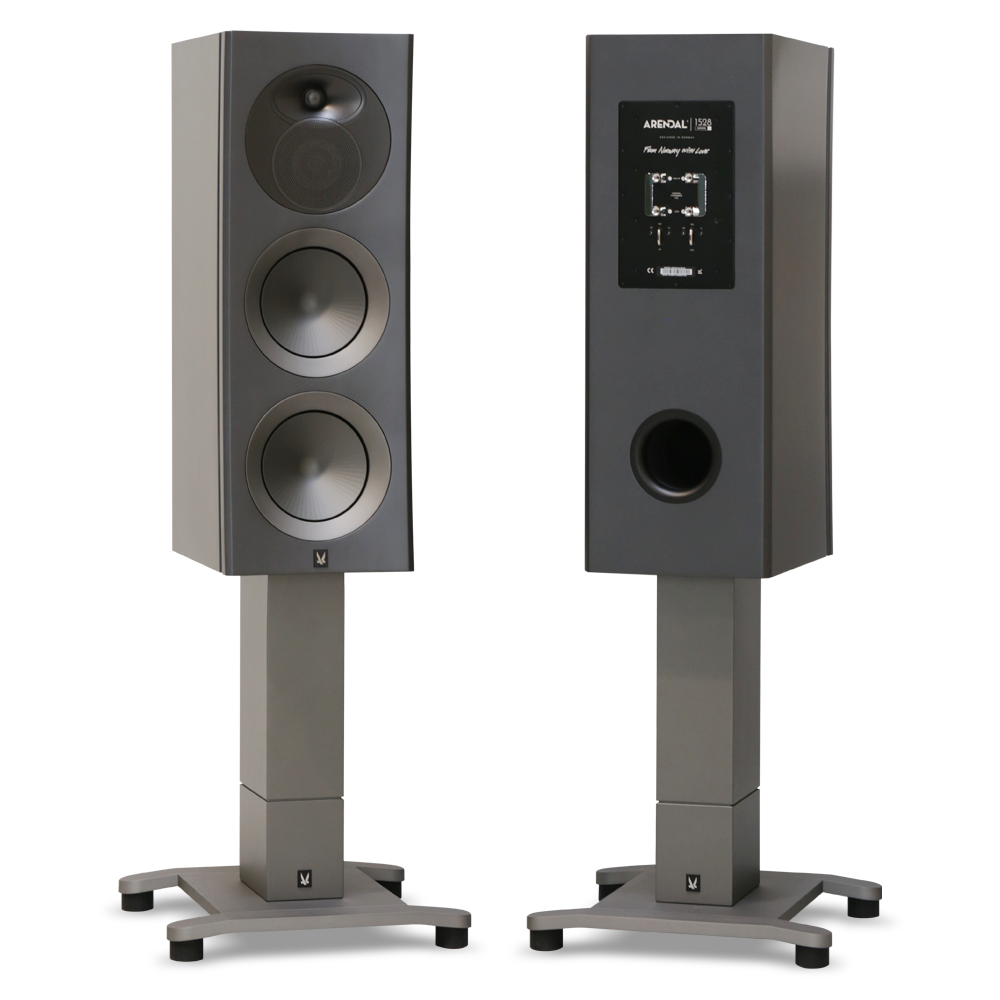
Both sets of speakers have a fair amount in common, regardless of their obvious physical differences. It’s worth noting that in terms of their driver configuration and arrangement, they exhibit more than a passing resemblance to one another. Both the Arendals and the Monitor Audios sounded squeaky-clean, with each delivering a highly detailed, incredibly resolving sound that made it easy to uncover what’s happening in a recording. For example, the rapid-fire percussion that establishes the driving rhythm of “Hunter,” from Björk’s Homogenic (CD, Elektra E2 62061), was vividly conveyed by both sets of speakers. The drums sounded a bit tighter through the Monitor Audios, giving them a subjectively faster sound. For their part, the Arendals had a slightly warmer character that was fuller and more enveloping.
 Audiophilepure
You must be logged in to post a comment.