Cambridge Audio CXA81 Review
September 26, 2021 Comments Off on Cambridge Audio CXA81 Review
https://www.whathifi.com/us/reviews/cambridge-audio-cxa81
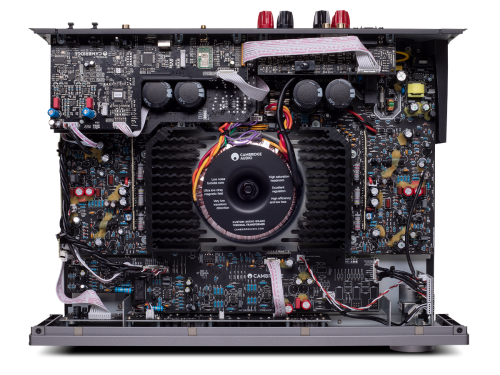
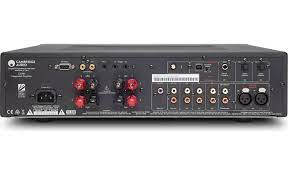
The CXA81 perhaps sounds a little forward, but its level of expression is such that it is sympathetic to more minimal, sombre recordings as well. Feed it a solo piano work or chamber quartet and it is only too pleased to show you its more caring, gentle side.
What really shines through though is a level of clarity that not only pips its rivals, such as the Rega Elex-R, but also makes them appear a touch cloudy. It is one thing beating this talented Rega amp for timing and dynamics, but to offer a more polished, insightful, even more mature presentation is a real turn up for the books.

Furutech DPS-4.1 Power Cords $1680/2m Review
September 26, 2021 Comments Off on Furutech DPS-4.1 Power Cords $1680/2m Review
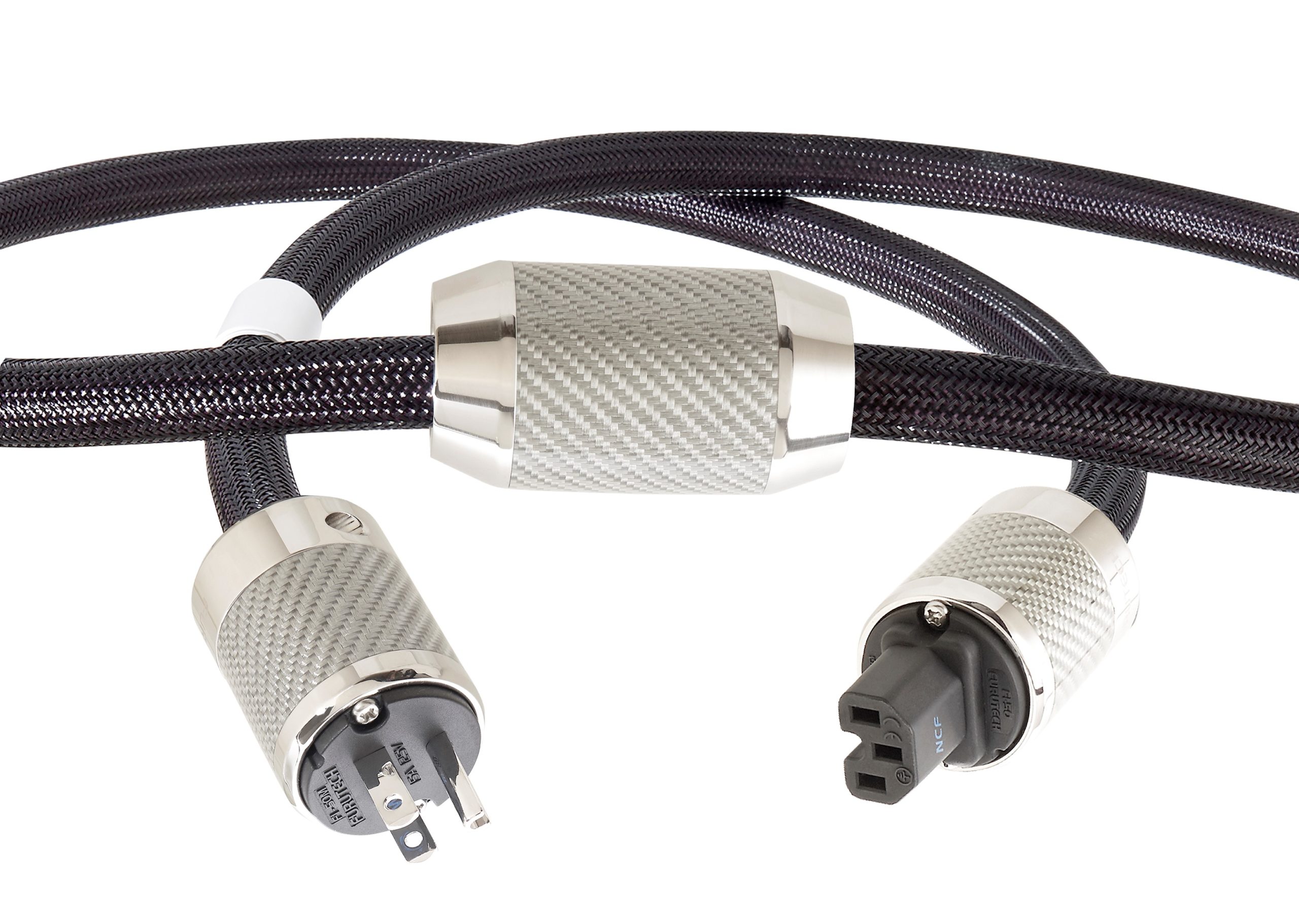
When I introduced the REL subs and the DPS-4.1, I felt the power cords tightened the low-end spine of the system—not by an order of magnitude, mind you, but in a musically noteworthy way. There was a newly exposed, seat-of-the-pants energy from the Hans Zimmer soundtrack to The Thin Red Line, specifically on the brain-rattling Kodo drumming of “Air,” which added greater harmonic complexity and texture than before.
I acknowledge that the home-assembly approach of the DPS-4.1 is not for everyone, but for those who possess some DIY chops, Furutech just might have the power cord for you. All it takes is a little elbow grease, and you’ll be rewarded with a cord that performs on a par with some of the top contenders, at a considerable cost savings. Unreservedly recommended.
VAC Sigma 170i Integrated Amplifier Review
September 25, 2021 Comments Off on VAC Sigma 170i Integrated Amplifier Review
https://www.hifinews.com/content/vac-sigma-170i-integrated-amplifier
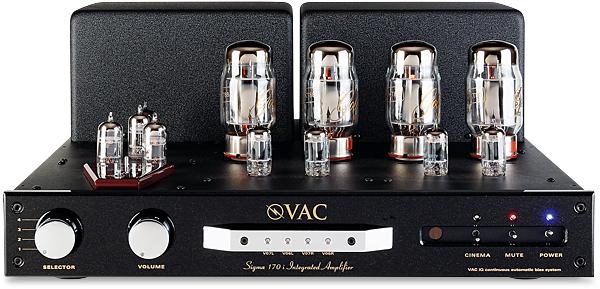
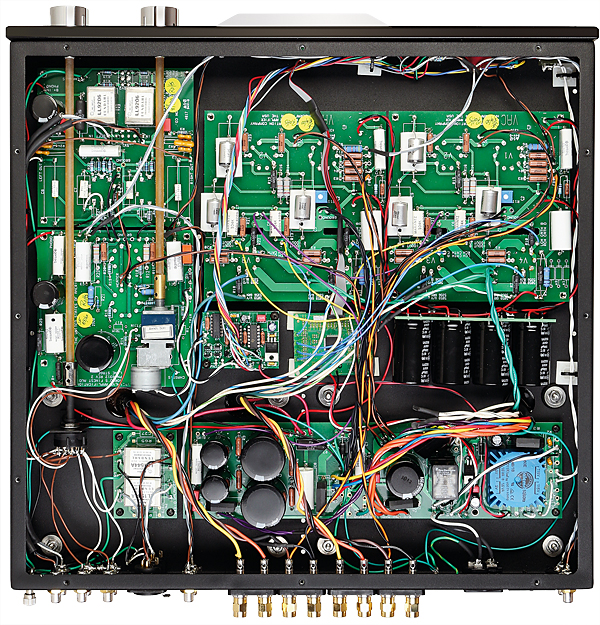
This prowess, however, wasn’t dependent on the superior pressing at higher speed. With the 2014 reissue of Etta James’ sublime Tell Mama on Bear Family [BAF108026], certainly not known as a label of the audiophile tendency, the otherwise average recording did not hold back one iota of James’ peerless, powerful vocals on this milestone LP.
You want emotion? Here Etta James rips out your heart, and the Sigma 170i ensured that every dynamic moment was treated with respect. Damn, this is a fine amp.
MONITOR AUDIO BRONZE 200 FLOORSTANDING LOUDSPEAKERS £570 REVIEW
September 24, 2021 Comments Off on MONITOR AUDIO BRONZE 200 FLOORSTANDING LOUDSPEAKERS £570 REVIEW
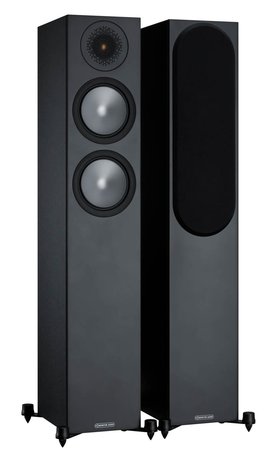
Monitor Audio Bronze 200 Floorstanding Loudspeakers
They make up for it in other areas, though. Those alternative designs have to acknowledge Monitor Audio supremacy where control is concerned, and no rival describes a more coherent or better organised soundstage. But if the devil (or, more accurately in this instance, the last soupçon of sonic enjoyment) is in the details, it’s possible to be left a little frustrated by the Bronze 200 delivery.
But – at the risk of labouring the point – context is everything. Given that a floorstander at this sort of money is, by definition, compromised, Monitor Audio has minimised and disguised the compromises it’s made to an almost laughable degree. If your system justifies this sort of outlay, you need to hear the Bronze 200.
JDS LABS ATOM+ STACK REVIEW
September 24, 2021 Comments Off on JDS LABS ATOM+ STACK REVIEW
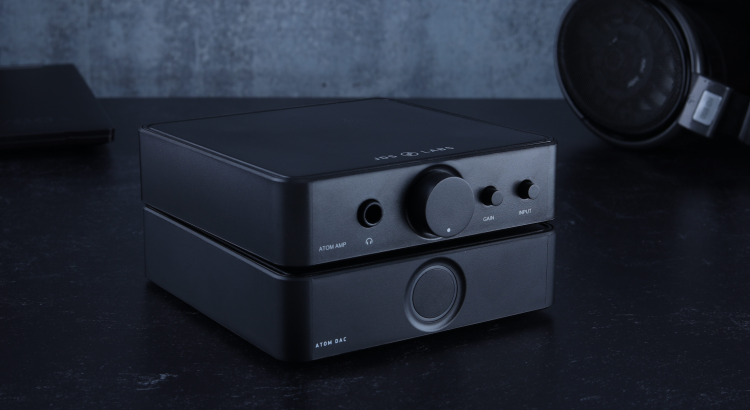
is small and light. For the form and factor, this may be the most powerful amplifier in sub 200, maybe 300 USD bracket. The amp can dish out 1w into a 32Ω load. This means that the amp is quite powerful and it can feed 90% of the headphones on the market. It also has two gain options, 1x and 4.5x. It also has preamp outputs. You can seamlessly plug your active speakers into the Atom+ and control their volume.
It is also as silent as it gets and has a very low output impedance of just 0.7 ohms. It matches with my multi-driver IEMs without any issues. The noise floor is ridiculously low and I can’t hear any hiss, even with highly sensitive IEMs in my possession. The custom-made potentiometer with hand-matched gangs offers a much better channel balance compared to the previous Atom Amp generation. The Atom line is focused on sheer performance and performance only. JDS aimed for a no-BS amplifier that is easy to operate, hella powerful, and compact. Under hundred dollars, it was crazy at the end of 2018, it is still crazy in 2021.
Dynaudio Confidence 20 $11,999 Review
September 21, 2021 Comments Off on Dynaudio Confidence 20 $11,999 Review
https://www.whathifi.com/us/reviews/dynaudio-confidence-20
Advertisementhttps://0b37e4c907ad9d89b9756a743bd19484.safeframe.googlesyndication.com/safeframe/1-0-38/html/container.html
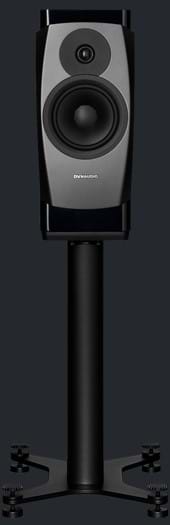
The downward-firing port makes the Confidence less fussy about placement relative to walls than a rear-firing port design would be, but these Dynaudios still sound more balanced when placed well away from all walls in our test room. We angle them slightly towards the listening position to firm up the stereo image but don’t feel the need to play around more than that, given the impressive focus of the nicely layered, expansive soundstage.
Mark Levinson № 5105 Turntable Review
September 21, 2021 Comments Off on Mark Levinson № 5105 Turntable Review
https://www.audiophilia.com/reviews/2021/7/30/mark-levinson-5105-turntable
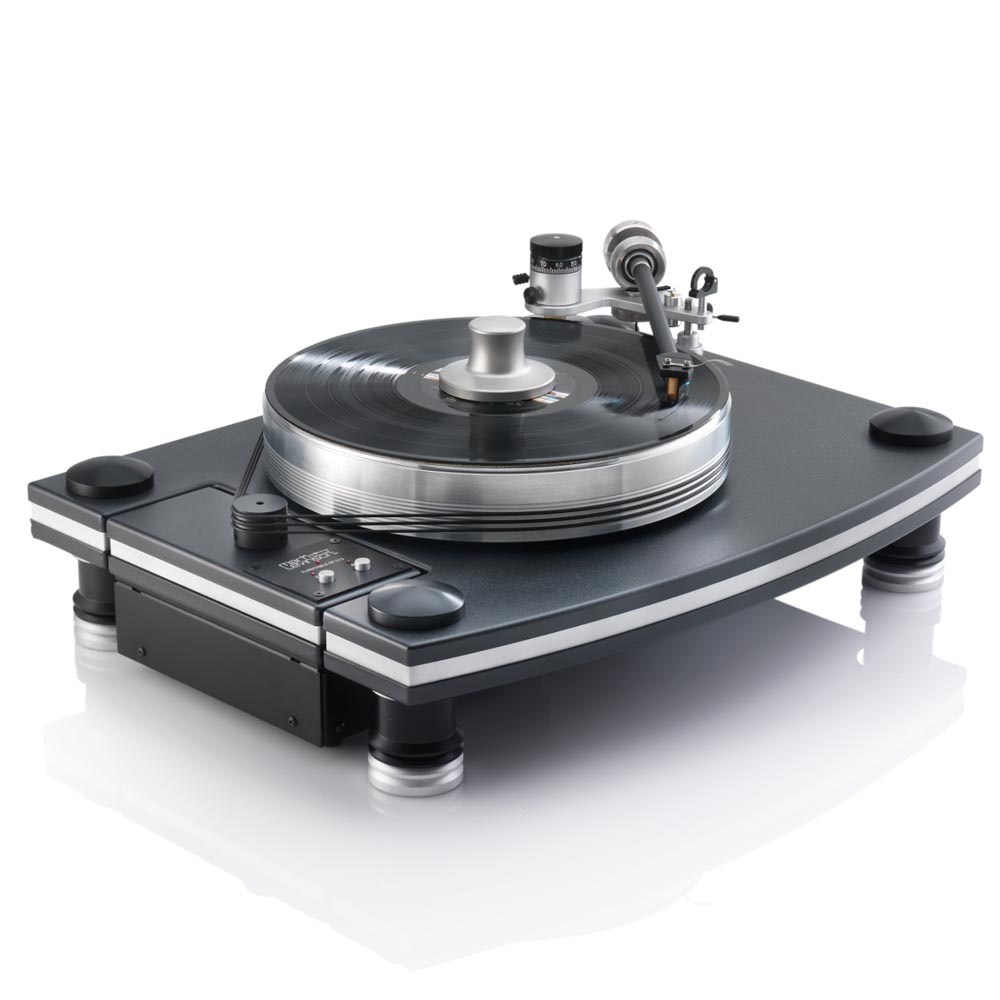
A parallel experience came right after with the 2M Blue. This needle belts out clean-cut sound, no nonsense openness in dynamics. This time I wanted different instruments that could test the soundstage. Beirut’s The Flying Club Cup made an appearance with its folk-like rhythms and tempo. The carnivalesque atmosphere was engaging and the euphonium, big brass section and accordions filled my room with sounds that helped me recollect the glowing lights of fairs I used to visit as a child. That feeling of innocence and unrelenting fun of childhood is rare, but the 5105 was salient in inspiring it. Why? I think it’s because when I let the needle go, I didn’t worry at all, I could focus on the sound and imaging—letting go was easy. Next was Mingus at Carnegie Hall new Deluxe Ed, which was so good I had to listen to all three LPs in one sitting. The talent Mingus brought with him for this concert was unfair. The 5105 delivered the goods with the Ortofon Blue.
Mysphere 3 Headphones and Auris Audio Euterpe Headphone Amplifier Review
September 20, 2021 Comments Off on Mysphere 3 Headphones and Auris Audio Euterpe Headphone Amplifier Review
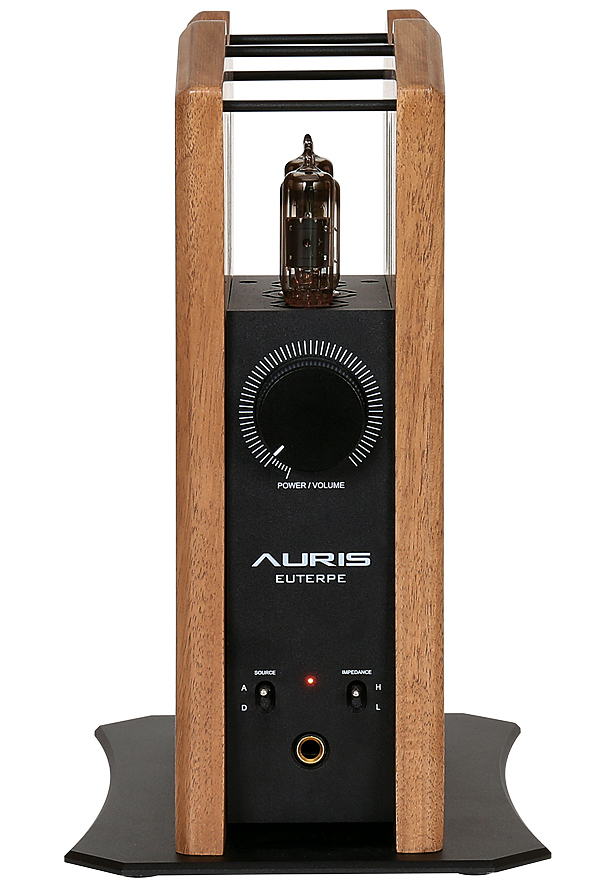
Design wise, Mysphere 3 and Auris Euterpe couldn’t be more of a polar opposite. Mysphere 3 leads with a form follows function design, a definite progression, if far more advanced, of the theme the thirty year old K1000 first pioneered. Modern stylistic elements, clean lines, stainless steel and aluminum with a uniquely tekk-y design, yield ear speakers, nay, headphones, that are sure to spark a conversation or three. Take Andy for example, who’s name has been changed to protect the guilty. “Hey, what are these things?” He quipped as he sat down to listen to some new records whilst on a recent visit to chez K. “Ear speakers these are”, I fired back. “Eh?” Picture a dazzled, otherwise healthy audiophile, my friend seemed to not know what I was speaking of. Well, you can’t blame the lad. Sort of. Mysphere 3 are definitely space-y looking, the very clean, lean lines of the headband and by comparison, small-ish looking and angled drivers provoke a certain sense of I-have-never-seen-anything-like-it sort of moment for the uninitiated
Triangle 40th Anniversary Comète Loudspeakers
September 20, 2021 Comments Off on Triangle 40th Anniversary Comète Loudspeakers
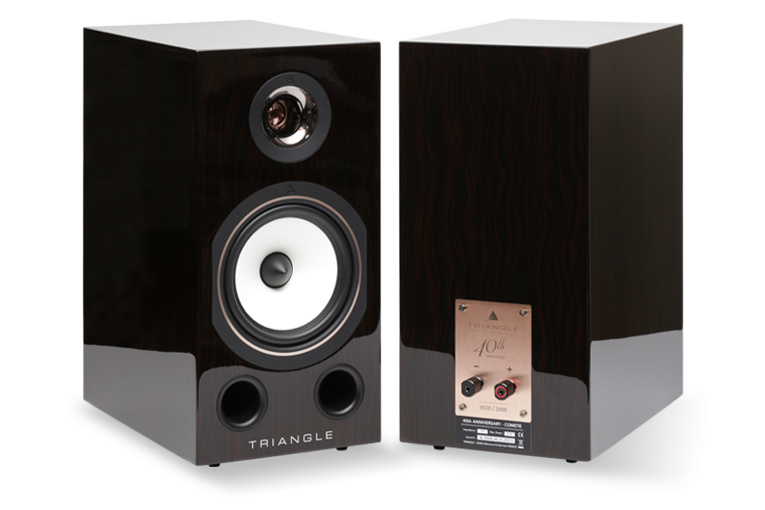
I investigated the bass further by taking an in-room averaged frequency-response measurement of the Comètes using my calibrated miniDSP UMIK-1 microphone and Room EQ Wizard, and I compared the results directly with my earlier measurements taken with Triangle’s Borea BR03s in the same positions. I found that, relative to 2kHz, the BR03s not only had 2dB more output than the Comètes at 50Hz, but also a measured -3dB point of 33Hz compared to the Comètes’ 38Hz. As a matter of comparison, most two-way standmounts with 6.5″ midrange-woofers that I measure in my room (always in the same positions) yield -3dB points around 32-35Hz. These measurements confirmed what I was hearing, or rather missing, in the bass with the Comètes—they lacked some extension not only in comparison to the BR03s, but to other speakers that had been in
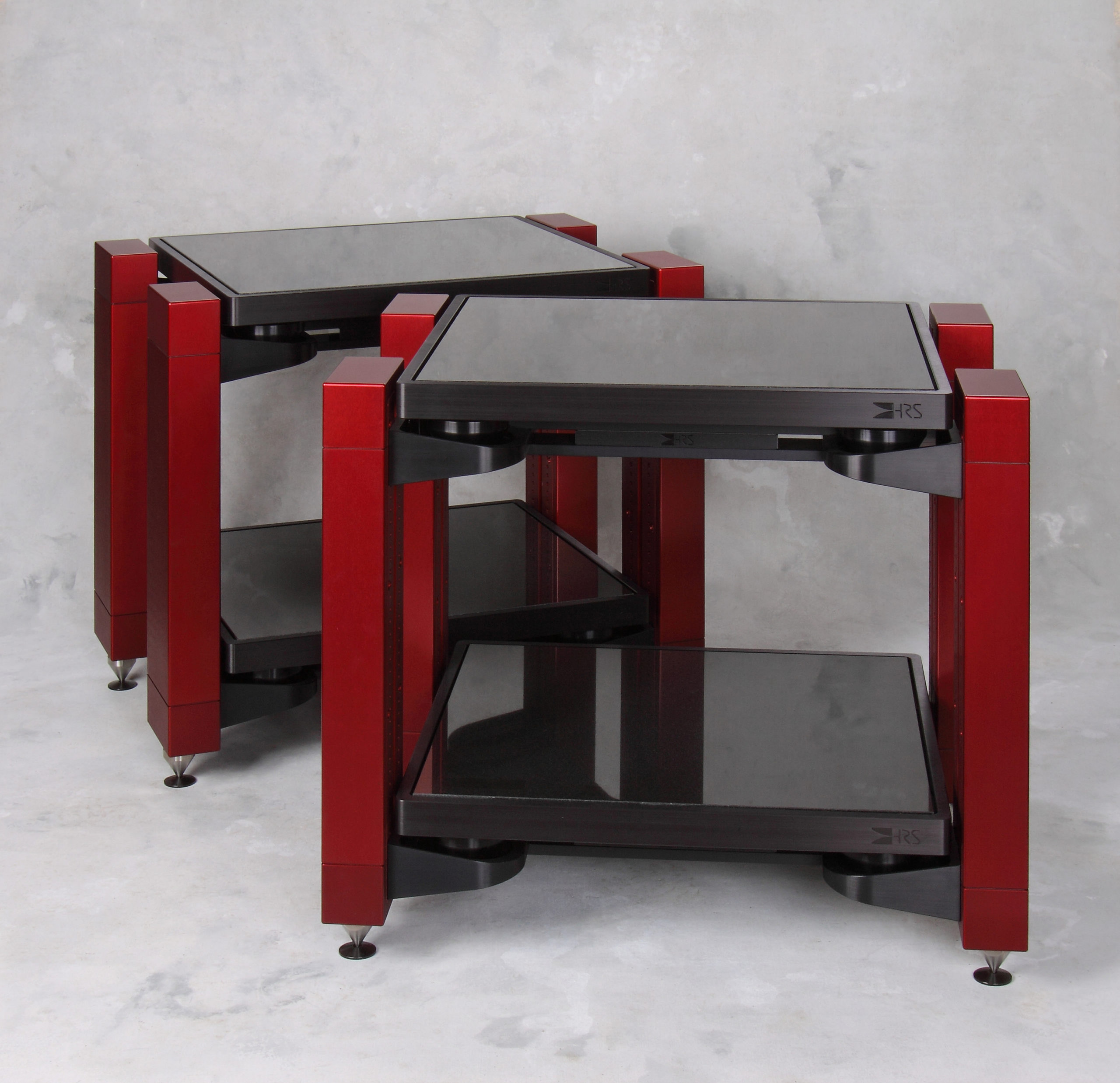
HRS VXR Stand, Vortex and Helix Footers, and DPII Damping Plate $24,475 Review
September 19, 2021 Comments Off on HRS VXR Stand, Vortex and Helix Footers, and DPII Damping Plate $24,475 Review
I can only give an enthusiastic thumbs-up to the superb products that HRS is manufacturing. Latvis’ consummate devotion to his craft has resulted in a range of devices that is more than worth auditioning. His HRS products offer a useful reminder that the task of isolating audio equipment cannot be dismissed as an ancillary consideration. It’s essential.


You must be logged in to post a comment.