AGD Gran Vivace Monoblock Amplifier Review
September 19, 2021 Comments Off on AGD Gran Vivace Monoblock Amplifier Review
https://www.hifinews.com/content/agd-gran-vivace-monoblock-amplifier
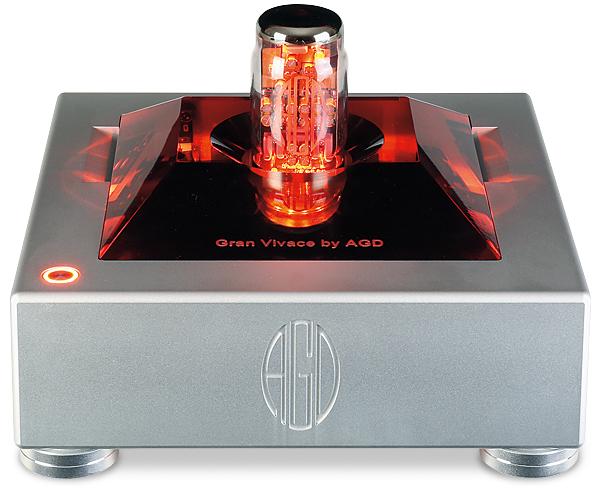
My only concern is the vulnerability of the GaNTube, exposed and waiting to be smashed or knocked over. I would ask AGD to fashion a cage as per the smaller AGD Audion, but obviously more in keeping with the Gran Vivace’s modern look, rather than the Audion’s ‘steam punk’ plumage.
Most listening was undertaken sans preamp, as I’m currently fixated on sources with output controls, eg, most tape decks, phono stages for LP-only systems, etc. And why not? It eliminates all that circuitry, a set of interconnects and shortens the path; the only sacrifice is extra inputs. As the Gran Vivace has two selectable inputs, I fed the Otari MX5050 directly via XLRs, and used the single-ended input for other sources. Also, the partnering Andante preamplifier never made it past PM‘s lab tests, it proving faulty and was rejected.
Clearaudio Concept Dark Wood Active Turntable Review
September 18, 2021 Comments Off on Clearaudio Concept Dark Wood Active Turntable Review
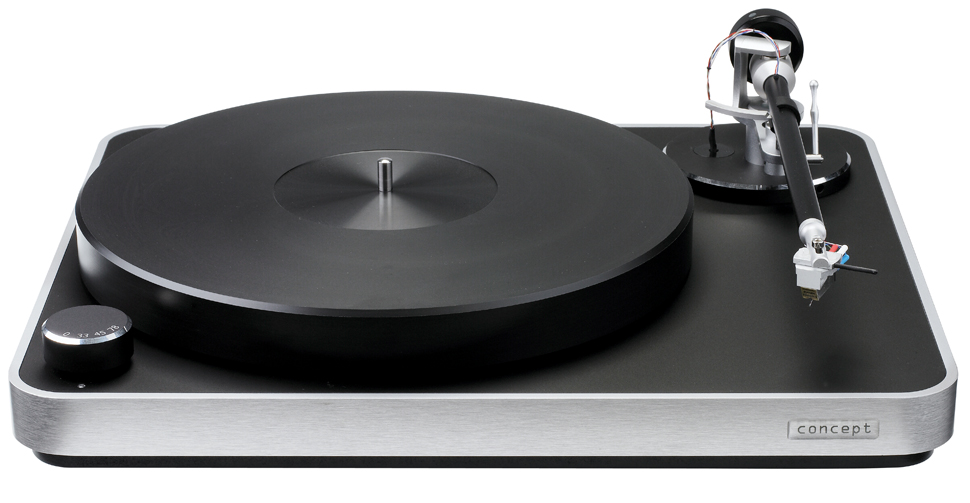
And don’t be misled by Concept Active’s compact visage. There’s a misconception in audio circles that normal-scale components somehow “play small” in comparison to their big, brawny, and yes, sometime pretentious siblings. The Concept Active laid that assumption to rest from the very first slamming groove of “Come Together” to the final operatic fade out of “Her Majesty.”
From groove-one onward, I understood immediately why the Clearaudio distributor Musical Surroundings shipped the Concept Active with the low-output moving-coil option rather than the higher-output moving magnet. If the idea was to demonstrate how quiet and grunge-free a small discrete phono preamp could be (and how it might compare to a full-size stand-alone phonostage like my Pass Labs XP-17 or Parasound JC3+), then point taken. A dynamic, all-analog piano recording like Nojima Plays Liszt [Reference Recordings] exposes system nuances and system noises like few recordings I know. But this on-board phono rose to the occasion, expressing low-level detail and dynamic energy that knocked on the door of what the aforementioned “stand-alones” had to offer. Its character skewed slightly to a softer and rounder presentation, but overall it was superbly listenable and musically satisfying.
Circle Labs A200 Integrated Amplifier Review
September 18, 2021 Comments Off on Circle Labs A200 Integrated Amplifier Review
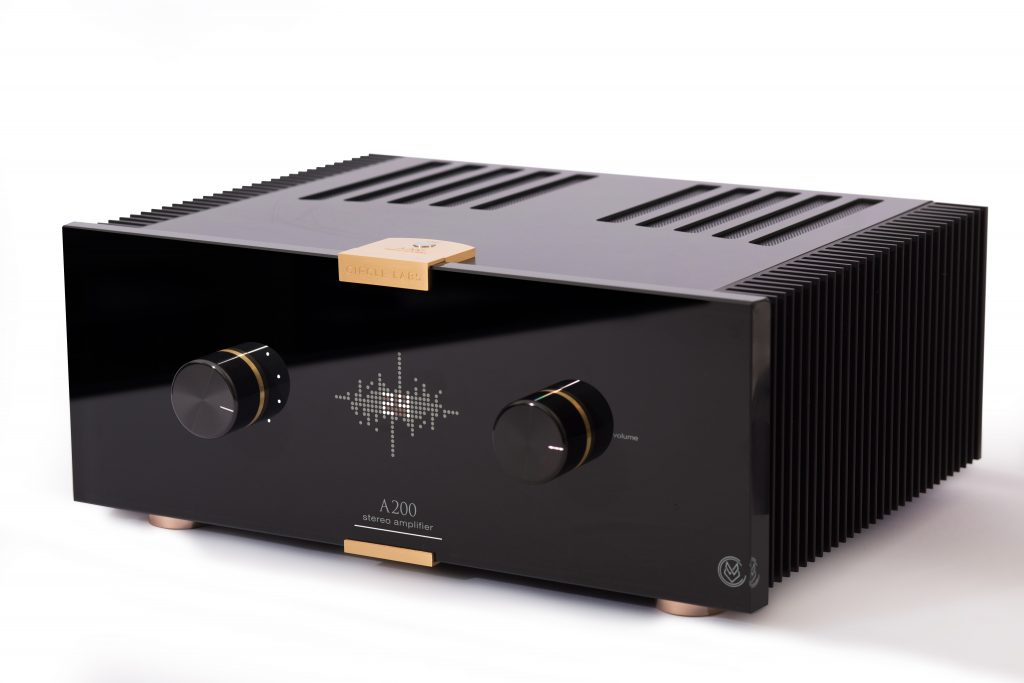
Rosewood is eclectic, too. Varying solo instruments including piano, melodica, Spanish guitar, and even accordion lace themselves well through what appears to be a soundtrack full of purpose. Unfortunately, I have not seen the movie. Regardless of how large the orchestra, or well-recorded, breathy strings would get, the A200 was able to hold the integrity of the delicate details in the music.
With my largest and most dynamic loudspeakers, “The Town Burns” was able to push the A200 to its limit where I felt the dynamics were not quite as extreme as they needed to be. It took ungodly volume levels to get there (peaks over 105dB at three meters) in an over-driven room, so I cannot feel bad about this miss. At all reasonable and high volumes, save the most extreme, the A200 truly shows what it means to be an extremely well-engineered piece.
Wilson Audio SabrinaX Loudspeaker $18,900 Review
September 17, 2021 Comments Off on Wilson Audio SabrinaX Loudspeaker $18,900 Review
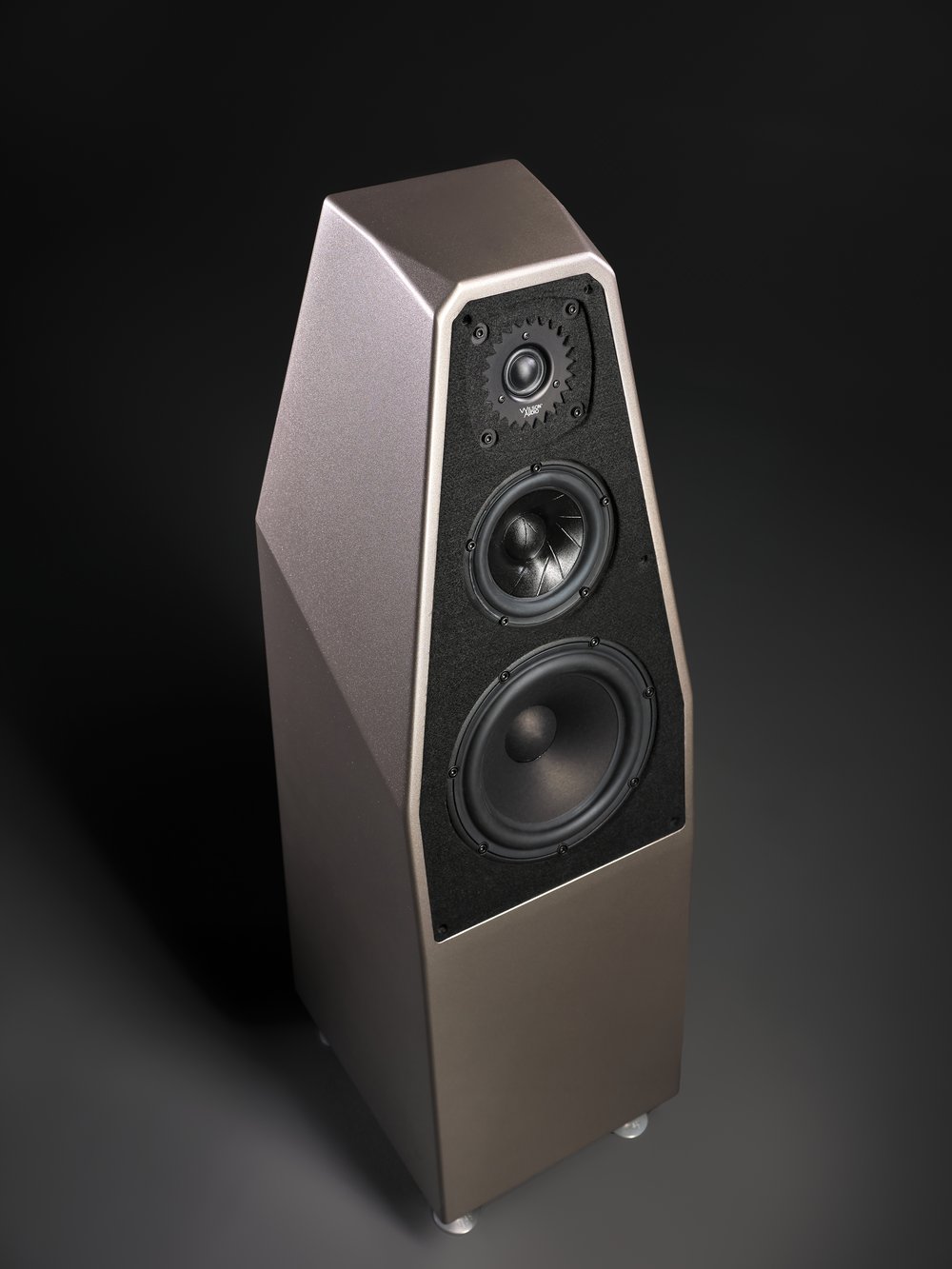
The new sound of Wilson is warm, but not in a bad way. Think warm as a result of energy—like molecules being excited, not like sitting by a fireplace drinking scotch on the rocks with a blanket over your legs. The SabrinaX’s ability to convey weight and impact, with surprising power and depth, is wonderful for its size. But I will warn that ¼” movements in placement have dramatic effects on these qualities, and on timbre, as well, harkening back to my set-up warnings above. These things demand meticulous placement, but, boy, do they deliver when everything’s done right. I found that the SabrinaX played all genres of music well, without softening, cleaning, or warming anything up. It was quiet and nuanced, but bold and powerful when called upon. At the same time, it also allowed me to resolve the smallest details and easily identify upstream changes. I was constantly searching for new music, different music than my routine listening lists. And listened to it not just for a song or two, but for entire albums. I have to specifically highlight vocal transitions as exceptional, and the driver integration left this 3-way sounding like a 2-way bookshelf speaker. Cohesive and seamless. And with proper power, it can play loud without losing its composure
Fono Acustica Armónico Speaker Cables Review
September 17, 2021 Comments Off on Fono Acustica Armónico Speaker Cables Review
I looked around, searching for a better understanding. My gaze takes in my beloved YG Acoustics Anat Signature loudspeakers. Dynamic driver speakers do so many things excellently, but they are not noted for having a full-bodied midrange and the sweetest treble. Then I shift to the array of CH Precision components. I’m sure they all measure beautifully on the test bench in Switzerland, but flat response in the lab is no guarantee of what will happen in my room. Either of these may be complicit, but it’s unlikely.
I settle on the room itself. This is the big one. Sound behavior in a real room always presents issues. Now, I’m going to surprise you by suggesting that the second biggest challenge for the audiophile is RF pollution. Oh, man, it’s all over—the modern domicile is a swamp. No one grasps the full extent, but, from what I’ve read, it’s easy to imagine RFI could be responsible for an artifact-laden treble and a blurry, or thin, midrange. (It’s a working hypothesis, at any rate.)

TechDAS Air Force Zero turntable $450,000 Review
September 16, 2021 Comments Off on TechDAS Air Force Zero turntable $450,000 Review
https://www.stereophile.com/content/techdas-air-force-zero-turntable
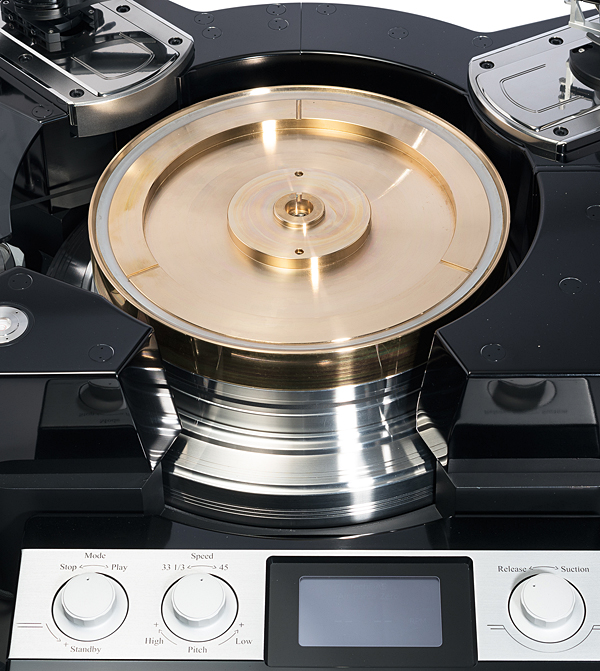
It may seem contradictory to note that a turntable with a base price of $450,000 has a recognizable sound, but if you get to hear the Air Force Zero under conditions commensurate with its performance capabilities, you’ll quickly understand that it’s not contradictory at all. The turntable is recognizable because no other turntable, or none that I’ve yet reviewed, so effectively sinks unwanted and extraneous noise while passing the musical goods with effortless ease, often in the most subtle and nuanced ways. The AF Zero is not a flashy-sounding “show off” turntable.
The Zero is the most speed-consistent belt-drive turntable I’ve reviewed, and with its air-bearing platters and air suspension, also the quietest, best isolated, and most inert, with stable sonics, quiet, and exceptional detail resolution with no added grain or unnatural, mechanical edge definition. The Zero was also trouble- and hassle-free for six months and as much fun to use as it was to hear.

MEZE AUDIO ELITE REVIEW
September 16, 2021 Comments Off on MEZE AUDIO ELITE REVIEW
The last few days more and more rumors have been popping up about the ELITE and many of you were thinking the ELITE was a closed back headphone. But that’s not he case at all. The ELITE is a brand new open back headphone, and it was a very well-kept secret.
We’ve had the pleasure to play with the new Meze Audio ELITE for several weeks now and I have to say it’s been nothing but exciting. The ELITE still carries the “Empyrean” name and it basically is a different, higher end version of the award winning “normal” Empyrean. To fully understand this review, it’s rather important that you know all about the original Empyrean and we suggest to read up on that one first

ATMA-SPHERE M-60 MK. 3.3 OTL MONOBLOCK AMPLIFIERS REVIEW
September 15, 2021 Comments Off on ATMA-SPHERE M-60 MK. 3.3 OTL MONOBLOCK AMPLIFIERS REVIEW
http://www.hifiplus.com/articles/atma-sphere-m-60-mk-33-otl-monoblock-amplifiers/?page=3
Wrapping up the listening with an all-time favourite tune, Toto’s ‘Africa’ [Toto IV, Columbia], a song that was on the radio a lot when I first encountered Atma-Sphere as a company in 1982. Africa offers up a compelling mix of percussion and vocal harmonies that have made it a classic rock staple. The M-60’s brought out the best in this SACD recording with drums, xylophone and marimba’s anchoring syncopated rhythms that drive the song forward. Soaring vocals moved along across a wide and clear soundstage. The rains were indeed blessed.

PSB Synchrony T600 Loudspeaker Review
September 15, 2021 Comments Off on PSB Synchrony T600 Loudspeaker Review
https://www.soundandvision.com/content/psb-synchrony-t600-loudspeaker-review
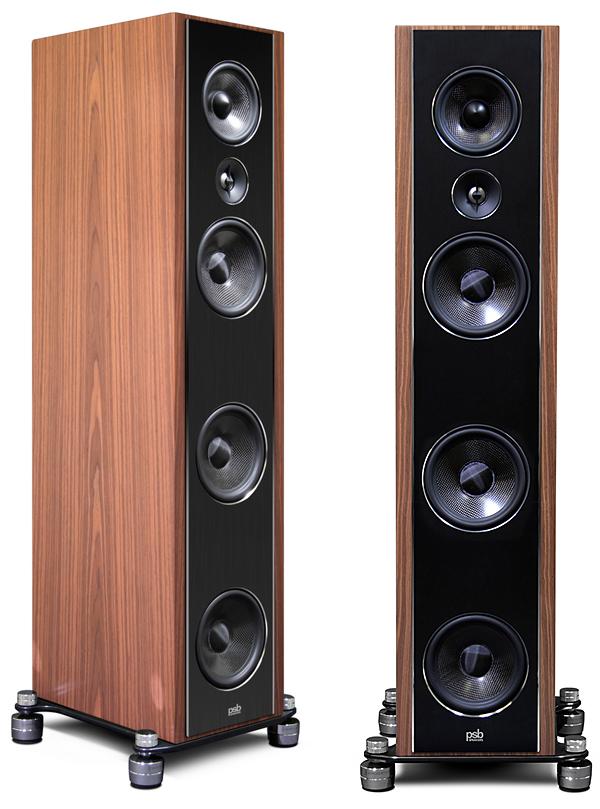
I suspect this is because the speaker, which has a 4 ohms minimum impedance rating, presents a relatively challenging load to an amplifier. I also heard a trace of overload in the right channel on a few challenging cuts. But this was barely audible and never alarming, and it may have resulted from less than earth-shattering power of the Denon AVR, which is rated at 140Wpc into 8 ohms, two channels driven. There was also the matter of the right speaker’s physical location: While the left speaker in my setup sits about 4 feet from the wall, the right one adjoins a fully open kitchen and dining area, a room-related factor that makes its job more challenging.
Adding a pair of SVS PB-3000 subwoofers to the PSBs and crossing them over at 80Hz (both high- and low-pass filtered) extended the bass in my room with specific, highly challenging material. But the improvements weren’t always dramatic. Organ went deeper, with that quietly played 16Hz pedal note in the Saint-Saëns symphony mentioned above now just barely sensed. Drums were more powerful withthe subwoofers connected though minor reductions to the Denon’s Bass control and/ or the subwoofer level were necessary to keep the result from sounding overcooked.
SPL Phonitor xe DAC/Headphone Amp Review
September 14, 2021 Comments Off on SPL Phonitor xe DAC/Headphone Amp Review
https://www.hifinews.com/content/spl-phonitor-xe-dacheadphone-amp
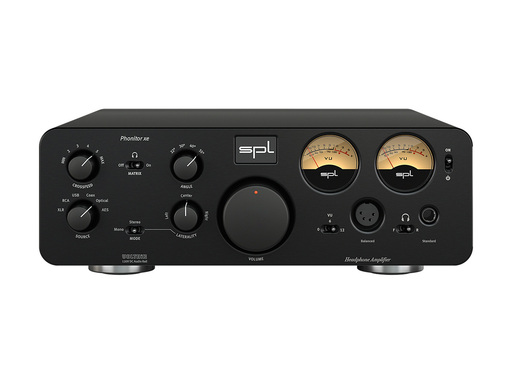
With more intimate recordings, such the Oyster Duo’s Stolen Pearls [Channel Classics CCS 43121; DXD], the ‘zoom’ effect of this control was more comical than satisfying. More useful here was a little increase of crossfeed, dependent on the ‘phones used, to create a more speaker-like impression of an ‘out of the head’ sonic image.
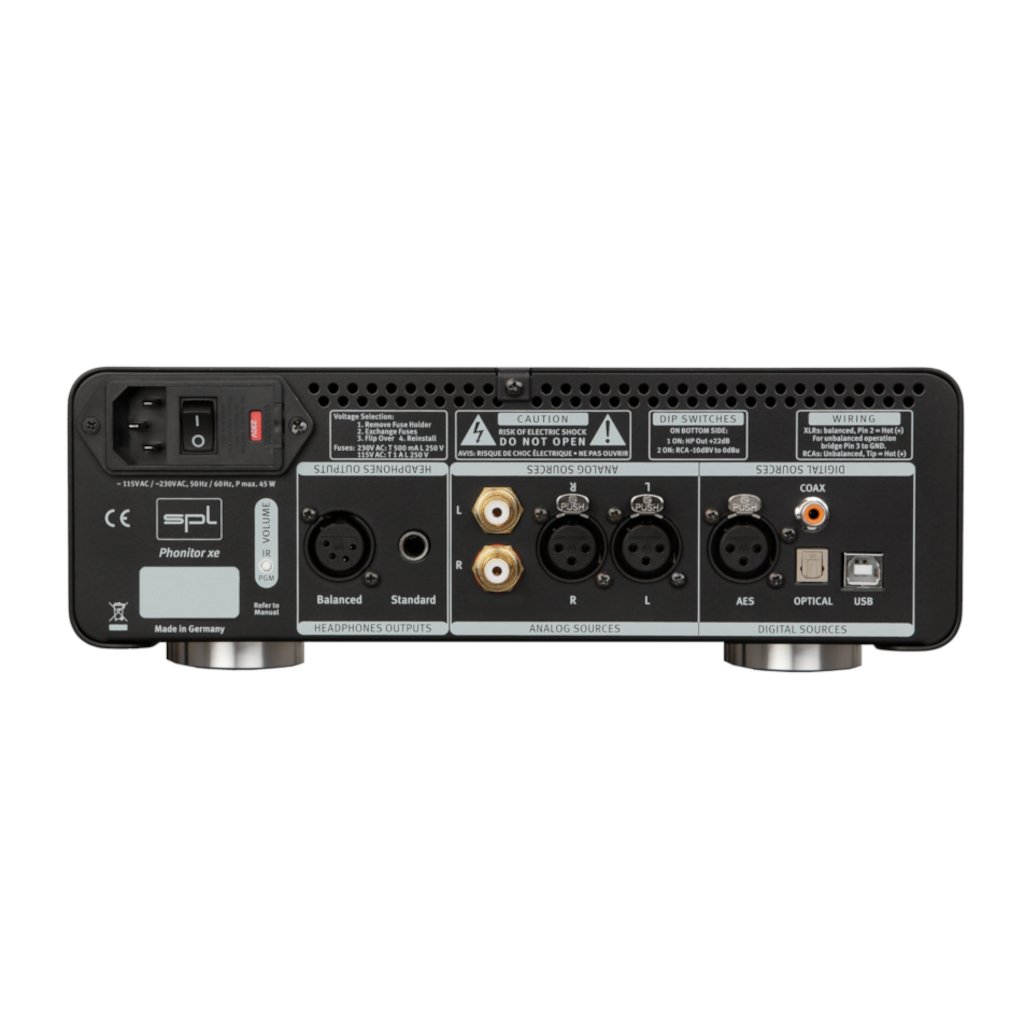
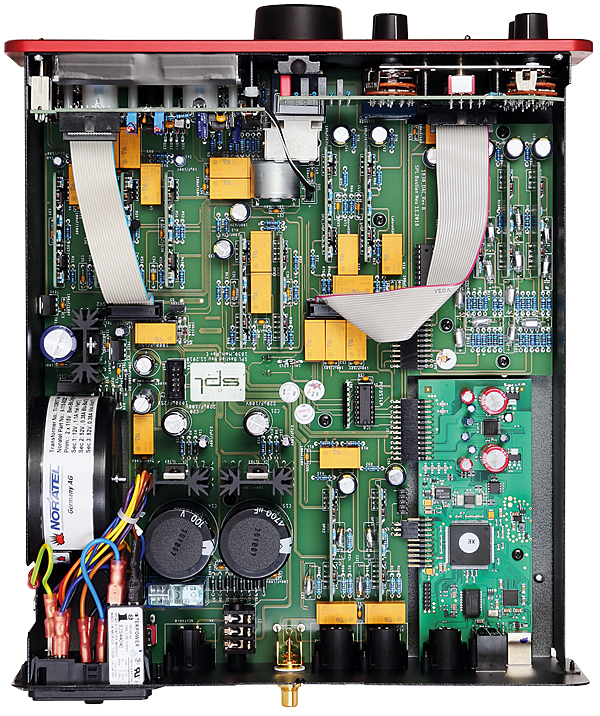
More likely to be set and then left are the two DIP switches built into the underside of the chassis which are marked 1 and 2. Switch 1 increases the gain of the headphone amp, while switch 2 increases the gain (sensitivity) of the analogue line input. I’d suggest these are best left in their ‘off’ position unless you have a line source with a truly feeble output. Moreover, the Phonitor xe has a prodigious output capability, particularly with high impedance headphones, in no small part due to its proprietary VOLTAiR op-amps that operate at a very high voltage.
With this extra headroom on tap, those DIP switch boosters really won’t be needed. I found the Phonitor xe more than capable of driving cleanly well beyond the pain level even with these switches ‘off’.


You must be logged in to post a comment.