Aurender A100 Music Server Review
March 11, 2020 Comments Off on Aurender A100 Music Server Review
https://hometheaterreview.com/aurender-a100-music-server-reviewed/
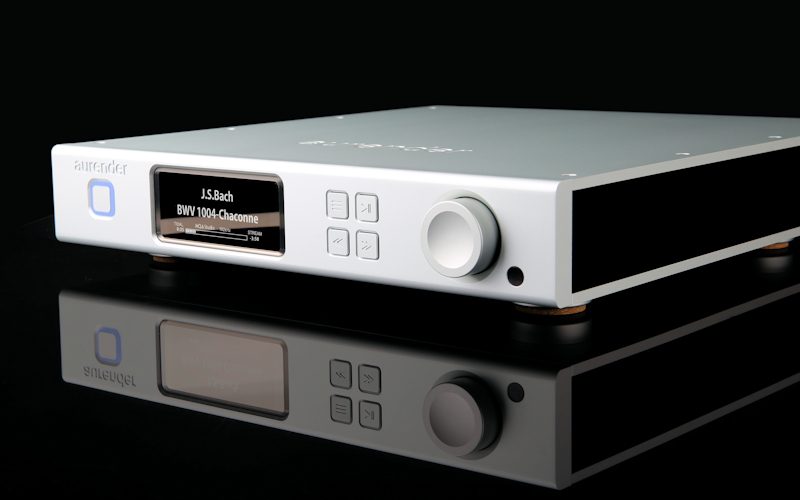
“Next, I connected to my Synology NAS (Network Attached Storage) device by going to the “NAS Server” section of the Conductor Settings menu and tapping “Browse NAS Server” to find my NAS device. I selected my NAS from the list of servers found and entered my login credentials. Then I loaded some music files onto the Aurender’s internal hard disk drive by connecting a USB drive to one of the USB data ports on the back of the unit. Once connected, I selected the “Folder” tab from the top row of buttons displayed in the app and then selected “USB.” I then selected the folder I wanted to copy and tapped the “Copy To’ button, tapped the desired target folder on the Aurender, and then hit “Select” to initiate the copy process.
If desired, files can also be copied from a connected NAS device to the A100’s internal HDD by selecting the NAS folder in the Conductor app after logging into the NAS by the steps previously mentioned. According to Aurender, using the internal storage will deliver a better user experience because the system automatically scans internal storage for new content. Using a NAS is fine but a little more cumbersome. All in all, I found the Aurender setup and music file copy process to be straightforward enough that I was up and running in under 30 minutes.”
PSB Alpha T20 Loudspeaker $649 Review
March 11, 2020 Comments Off on PSB Alpha T20 Loudspeaker $649 Review
http://www.theabsolutesound.com/articles/psb-alpha-t20-loudspeaker/
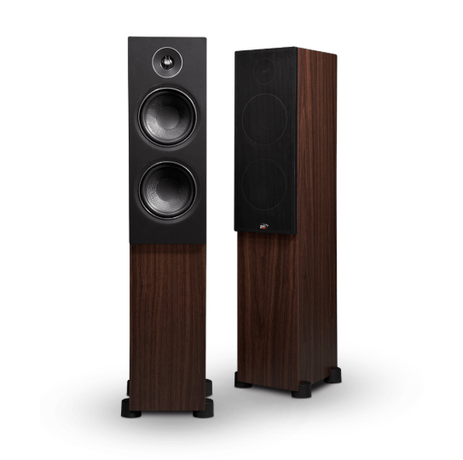
“Vocal naturalism and detail were the prime beneficiaries of the T20’s largely balanced behavior. Notwithstanding the fact that I enjoy listening to singers, vocalists with their broad multi-octave range provide a good tool for evaluating midrange and upper midrange performance and coherence. Ana Caram’s vocal on “Fly Me To the Moon” remained a lovely, breezy, bossa nova” take on this classic tune. The throaty, torchy vocals of Holly Cole were equally expressive, and even low-level details like the handclaps during Cole’s version of “Jersey Girls” sounded fleshy and alive rather than like wood blocks struck together. At $649/pair for the entire speaker, one can’t help but wonder how expensive the tweeter could be; yet on a track like Harry Connick Jr’s “A Nightingale Sang in Berkeley Square” it just sounded expensive. Connick’s simple open arrangement of vocal, piano, acoustic bass, and sax was persuasively transparent, quick on transients, and nicely controlled overall.
Grado GS3000e Review
March 10, 2020 Comments Off on Grado GS3000e Review
https://www.whathifi.com/us/reviews/grado-gs3000e
“Most rivals, usually closed-back designs, sound less lively and more shut-in. Equally, these same rivals offer more in the way of bass punch and authority. It’s a major advantage innate in the closed-back configuration.
We play Olafur Arnald’s Broadchurch soundtrack and the Grados render the music’s low-key but powerful emotions brilliantly. It’s down to expressive and fluid dynamics and the GS3000es’ wonderfully composed organisation – every sound fits perfectly into the whole, never seeming random or redundant.”
Arendal Sound 1961 Subwoofer 1S Review
March 10, 2020 Comments Off on Arendal Sound 1961 Subwoofer 1S Review
https://www.homecinemachoice.com/content/arendal-sound-1961-subwoofer-1s-review
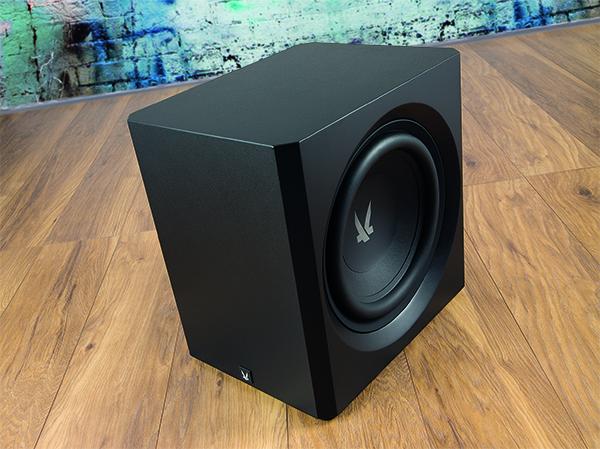
“Switching between the two EQ modes yields a change in demeanour, although the effect isn’t as pronounced as you might think (in my room, at least). I eventually plumped for the higher output EQ1 for all listening.
What this well-priced woofer won’t do is completely overwhelm you in subsonic mayhem. For larger setups and bass obsessives, the vented Subwoofer 1V model, which claims to hit 16Hz, might be a better fit – as long as its bigger cabinet and €200 price hike can be accommodated.
A more obvious criticism concerns usability. Ideally, the parametric EQ and other features would be accessed via a smartphone app. The sub’s dial/button arrangement is simplistic and intuitive, but making adjustments is long-winded, and the back of the woofer might not always be easily accessible depending on your installation.”
Cyrus Audio ONE Cast ‘Smart Amplifier’ Review
March 10, 2020 Comments Off on Cyrus Audio ONE Cast ‘Smart Amplifier’ Review
https://www.stereo.net.au/reviews/cyrus-audio-one-cast-smart-amplifier-review
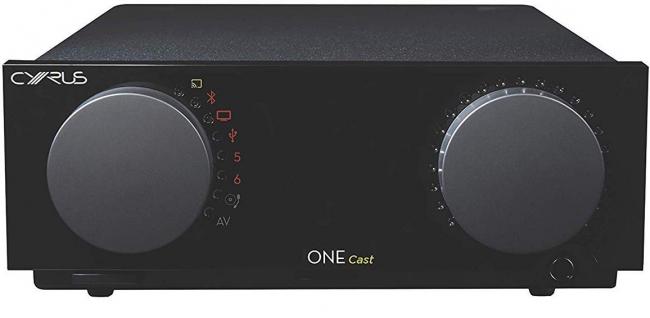
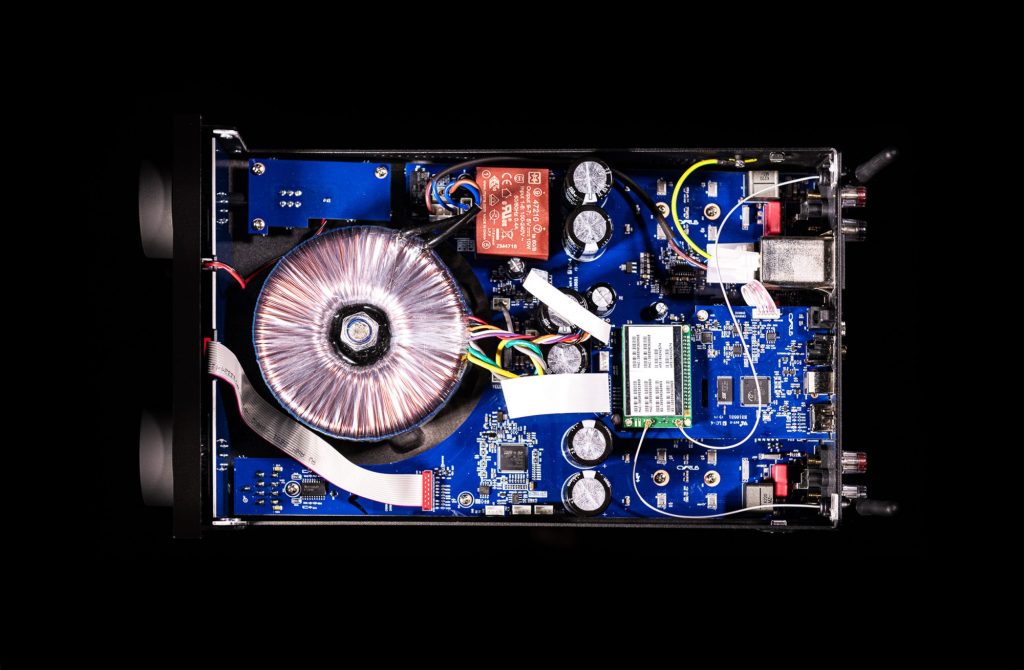
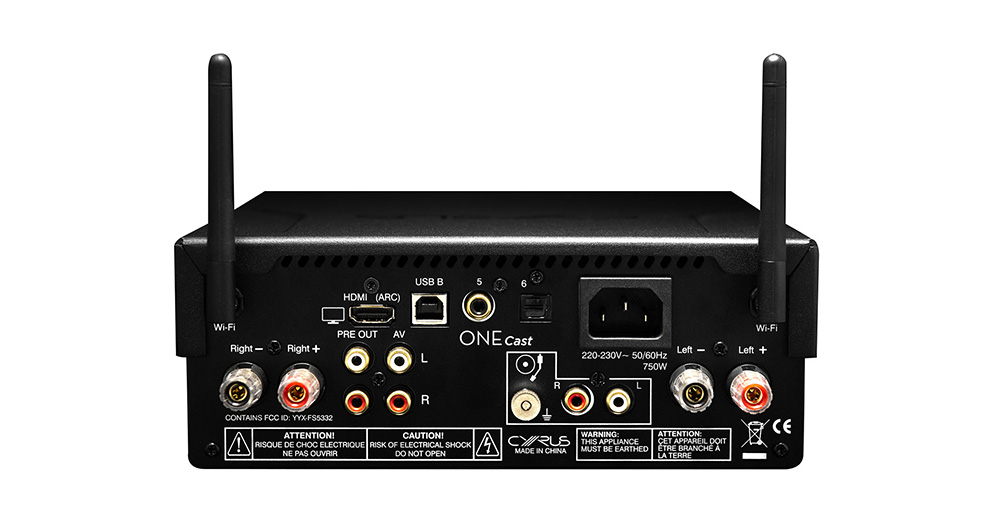
“A number of gloomsters in the hi-fi world have long since decreed that Class D is in some way “not musical” and “no fun.” Anything that uses it then, they argue, should not be accorded any seriousness as a listening tool. Integrated amplifiers like the Cyrus ONE Cast show just how wrong they are because this turns in a high-quality sound that leaves one wondering how it’s all possible at the price. Indeed, it’s a most impressive, listenable little amplifier that impresses across all its myriad inputs.
I’m a huge fan of the original Mission Cyrus range, but even an old-school purist like me can’t help but concede that the new ONE Cast does an awful lot rather well, sonically. It has a surprisingly rich, creamy sound that lets the listener relax into the music and enjoy the occasion. There seems to be far more power than is normal for an amplifier of this physical size, and it translates to a full-bodied, confident sound that tackles the recording head-on, without fear or favour. This little integrated isn’t scared of powerful basslines, dramatic dynamic crescendos or soaring, expressive vocals. The result is both suave and sophisticated, punchy and powerful.”
SHOZY FORM 1.1 REVIEW
March 8, 2020 Comments Off on SHOZY FORM 1.1 REVIEW
https://www.headfonia.com/shozy-form-1-1-review/
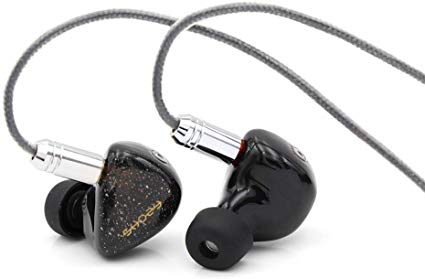
The 1.1’s Dynamic Driver needs some burn in time to settle down, but despite that, the sound is on the warm side with a big midbass which was tuned for popular music and mainstream audience. The boost in the mid-bass area is very apparent and although this eases up with time, it never flattens so be aware that the 1.1 has a mid-bass hump.
Raven Audio CeLest’ Speakers | Review
March 8, 2020 Comments Off on Raven Audio CeLest’ Speakers | Review
https://parttimeaudiophile.com/2020/03/01/raven-audio-celest-speakers-review/
“Finally, the last big ingredient is the port tuning frequency. James Connell claims that many speakers sound bad because their cabinets are tuned to too low a frequency in search of increased bass extension. The result is sloppy, tuneless bass response. Yep, we all know this slip-up when we hear it, right? The trick is to tune the cabinet to right around 40 Hz, as this represents the lowest frequency found in 99% of the music we routinely enjoy. Sure, some recordings go lower, but I think we can agree that clean, tight, and tuneful bass response is what most of us ultimately crave. I’ve found that capturing that last bit of extension is incredibly difficult and technically challenging (not to mention expensive), so why worry about it? I’ll be honest here: I stopped chasing 20 Hz a long time ago.”
Accuphase P-4500 €7,900 Review
March 8, 2020 Comments Off on Accuphase P-4500 €7,900 Review
https://audiofi.net/2020/01/accuphase-p-4500-a-power-amp-with-muscle-and-finesse/
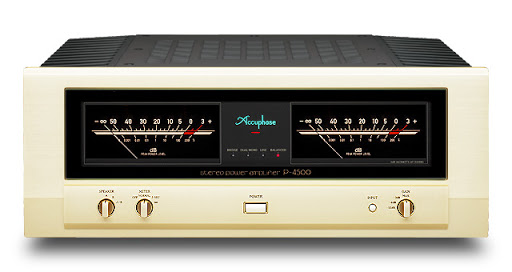
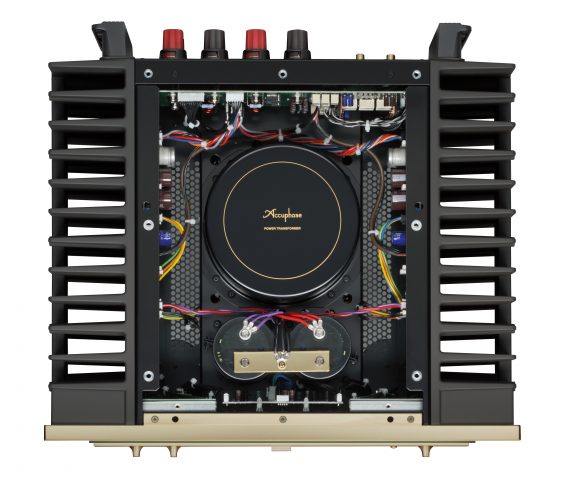
“Even with the volume low, there was more drive and air in the music, especially with better quality recordings. The presentation was flowing and delivery, effortless. Bass was fuller and better fleshed out, and the sense of urgency and slam, I usually heard only when the integrated amplifier was played louder on its own.
Pushing the P-4500 harder didn’t result in any loss of grip over the proceedings, whether it was simple acoustic recordings, orchestral music or some good ol’ classic rock – the amp exhibited the same level of control and finesse over the entire frequency spread. If anything, the highs opened up further, and the mids seem smoother and even better focused… at least, this was made even more evident than at lower volume. There seemed to be a bit more of shimmer and bite in the music with the P-4500 in the system.
All these served to draw the listener deeper into the musical event, capturing the senses with a more intimate feel. The background was darker, allowing the minutiae to surface with better clarity, and lending the recording a better nuanced reproduction of instrumental and vocal timbres.’
Quad PA-One+ Headphone Amplifier Review
March 7, 2020 Comments Off on Quad PA-One+ Headphone Amplifier Review
https://www.innerfidelity.com/content/quad-pa-one-headphone-amplifier-review
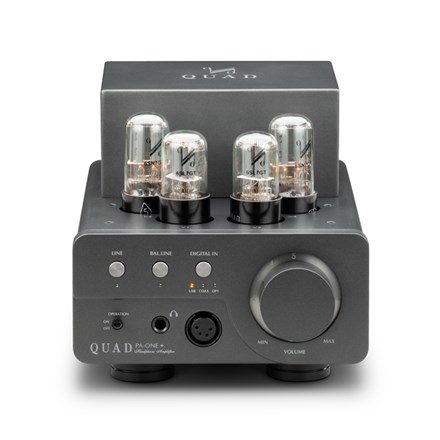
“The PA-One+ utilizes an two-channel ‘audiophile grade’ HyperStream ESS Sabre 9018K2M ‘Reference’ DAC chip capable of both asynchronous and synchronous 32-bit/384kHz PCM and DSD256 decoding. For this review I ran a Roon Nucleus+ into the PA-One+ with 16-bit/44.1kHz (FLAC rips) 24-bit/192kHz, DSD64/128 local-drive downloads and TIDAL and Qobuz streaming files. I did not tube roll the Quad as even though I have acquired (and continue to acquire) ever more tubes, they tend to input/line/phono applications, and I had no varietals of 6SL7/6SN7). I did not use it as a pre-amp either, rather, I focused on it’s headphone amp/DAC abilities. I used a variety of headphones, of varying impedances and sensitivity from the Audeze LCD-2 Classic, Mr. Speakers Aeon Closed, HIFIMAN HE1000se to Quad’s own Planar-Magnetic ERA-1, which had real synergy with the PA-One+ and that I settled on for all my critical-listening and review sessions.”
 Audiophilepure
You must be logged in to post a comment.