Gryphon Antileon Revelation power amplifier Review
October 5, 2026 § Leave a comment
https://www.hifinews.com/content/gryphon-antileon-revelation-power-amplifier
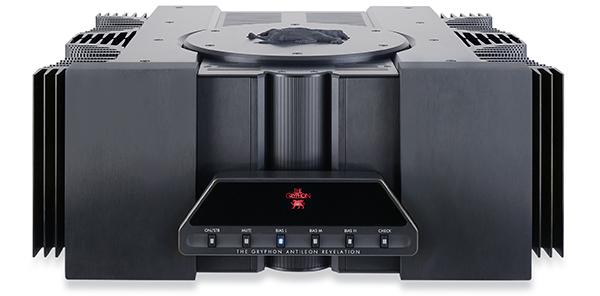
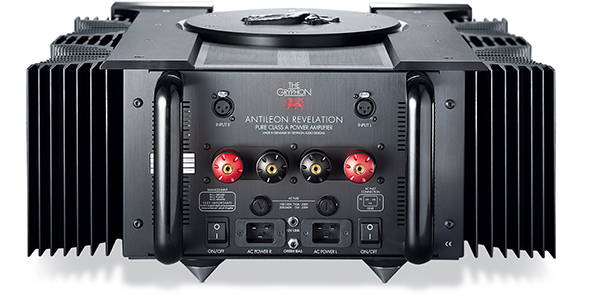
The Berliner Philharmoniker/Simon Rattle recording of Mahler’s Symphony No. 2 [Warner Classics; 44.1kHz/24-bit] found it getting into a gentler groove, conveying quieter passages with a soft, deft hand and painting a big, set-back picture of the orchestra. But the thundering percussion of I. Allegro maestoso arrived as a reminder of its latent power and dynamic flair. I don’t say this lightly, but the Antileon Revelation is perhaps the best power amplifier I’ve yet heard.
Our hi-fi world is not short of high-end power amplifiers, but Gryphon’s new ‘lion-like’ Class A model might just be the king of the sub-£50k jungle. Exquisitely styled and meticulously constructed, the Antileon Revelation nails the ‘pride of ownership’ brief while offering a performance of staggering power, scale and detail. Audition at your own risk, because once you’ve heard it, you’ll have to own it.
Pro-Ject Debut Reference 10 $1499 Review
October 5, 2026 § Leave a comment
https://www.whathifi.com/hi-fi/turntables/pro-ject-debut-reference-10
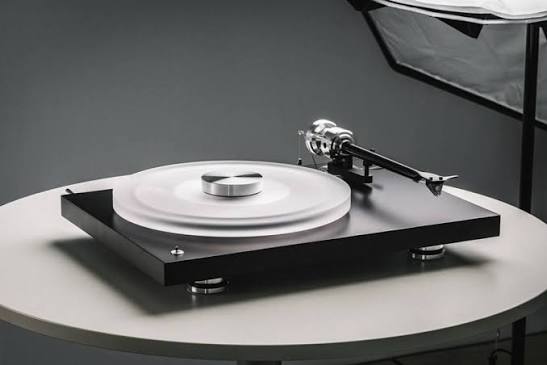
In a pitched battle against the Debut Reference 10, the Rega outguns its Pro-Ject rival, bringing so much snap and verve to Jackson’s Dirty Diana that the Reference 10 can’t quite keep up. For making you want to don your white suit and bust out your best Moonwalk, the Rega remains the king of this particular castle.
That doesn’t, by any means, render the Pro-Ject obsolete or unworthy of praise. This is still a terrifically talented turntable, and with the Rega’s recent price hike taking it from £999 to £1099 in the UK, one that costs a not-inconsiderable chunk of money less.
Drop back to something a little slower-paced, such as Tom Jones’ Did Trouble Me, and the Pro-Ject is back in its element. Jones’ voice is as rich and smooth as a cigar soaked in malt whisky, and the Debut Reference 10 has the requisite weight and warmth to give the gospel tune that lovely feeling of soulful sincerity.
Kinera Mimisbrunnr $799 Review
October 3, 2026 § Leave a comment
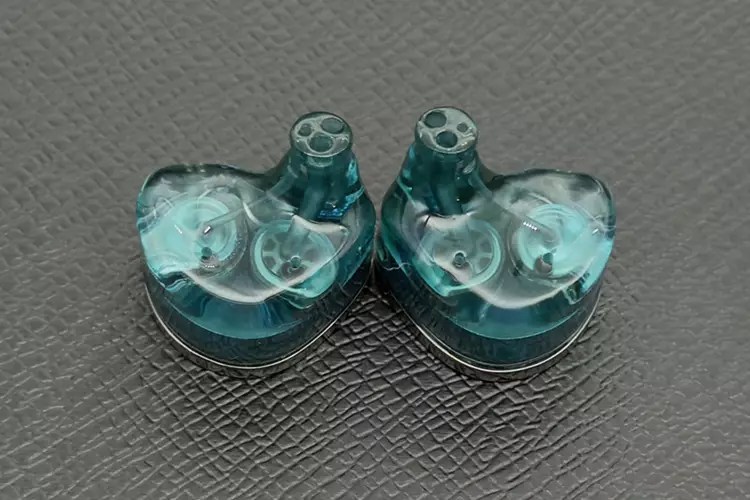
Mimisbrunnr has a sound primarily characterised by a warm, heavy low end; a natural, full-bodied midrange; and a slightly energetic and detailed yet smooth treble.
The low end is clearly a highlight of this tuning. There is plenty of bass presence, giving the sound good weight and warmth.
All that strong low end does not drown out the rest of the spectrum. The emphasis towards the upper midrange, along with some added air and sparkle from the EST drivers, keeps the presentation from becoming overly thick or dark.
The midrange sits slightly behind the bass but does not feel overly recessed. Vocals and instruments have good presence. You will find them carrying good clarity and bite.
The treble carries a fair amount of energy, with enough presence to bring about sparkle and openness, complementing the heavy low end nicely.

Dirac Live ART room-correction software for PC and Mac Review
October 3, 2026 § Leave a comment
https://www.stereophile.com/content/dirac-live-art-room-correction-software-pc-and-mac
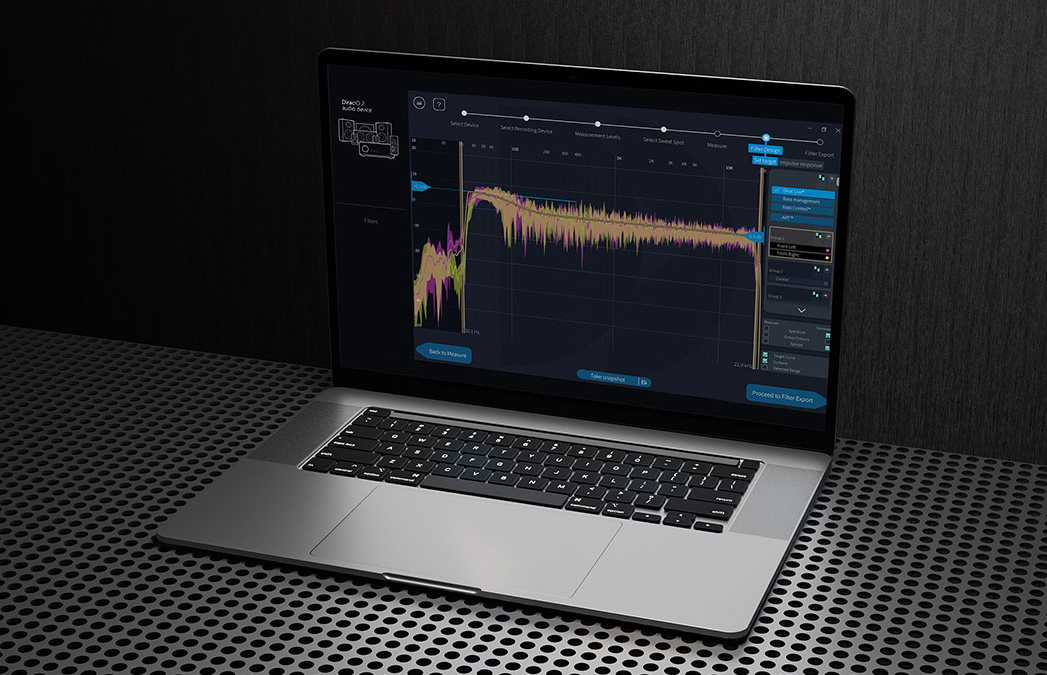
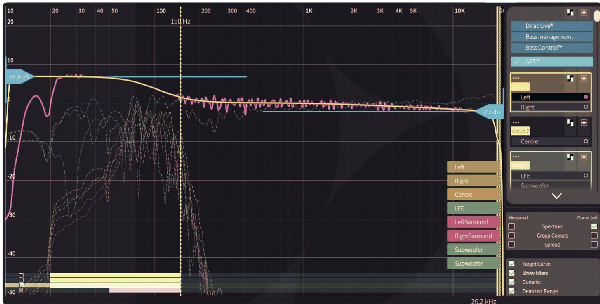
Listening in stereo made explicit another benefit of Dirac ART. Many of us have had the experience that turning up the volume past a certain point can excite a certain room mode, by, for example, a single bass note, to a point beyond what’s pleasing. Sometimes it seems that all the bass blooms out of proportion when we exceed some level. That’s the room, not the music. We reflexively dial it back.With ART, that doesn’t happen anymore, as I can demonstrate with two very familiar tracks that are famous for their bass energy: “Yulunga” from Dead Can Dance’s Into the Labyrinth (DSD rip from SACD, 4AD SAD2711) and Béla Fleck and the Flecktones’ Flight of the Cosmic Hippo (CD rip, Warner Bros. Records 9 26562-2). In the former, focus on the whole span of the low-to-midbass percussion and plucked strings. In the latter, follow that Stygian bass melody. Previously, when I turned up the volume past a certain point, the bass became louder but also amorphous as it overloaded the room, the music, and my ears. Using ART, when I turned up the wick, none of that happened because its correction of modal behavior tracks with changing volume. Consequently it’s possible to play all your music louder than ever, limited only by your own tolerance or unhappy neighbors.In my random ramble through my library testing Dirac ART against my memory of favorite tracks, the cover art of Tracy Chapman’s 1995 album, New Beginning, caught my eye. Of course I had to play “Give Me One Reason” (CD rip, Elektra 61850-2). I had heard it before, many times, but not like this. It was as if the opening bass and guitar were in the room with me, close—except that it was not my room. When Chapman’s voice, warm and vital, appeared to their right, it confirmed our common presence in this other space. Percussion had snap. A quick bypass of Dirac was jarring, its restoration relief and pleasure. I had the feeling that, finally, everything was just right.


You must be logged in to post a comment.