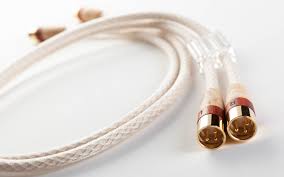
Kimber Kable Naked Interconnects $12,700 Review
December 22, 2020 Comments Off on Kimber Kable Naked Interconnects $12,700 Review
“Another thing you experience while you’re dog-paddling au naturale is a sense of vulnerability. You are exposed to any of the creatures lurking in the depths of the water or to any unwelcome advances by your fellow swimmers. In this case, you, the listener, are not the vulnerable one, but your system. Some cabling is good at smoothing over the rough edges of sound reproduction, but not the Nakeds. If you want to hear the characteristics of your equipment, these are the ones for you. Luckily, I have been able to choose equipment that lacks any sort of hard edge or sounds too “detailed.” Such equipment might not be a good fit. As a reviewer, I am regularly swapping out components for review. With the Naked interconnects in place, I was able to immediately detect any differences. In one case, a simple swap of two small-signal tubes made a huge difference in the sound of the system. They are that revealing.

How To: Setup Pro-Ject Debut Carbon EVO
December 22, 2020 Comments Off on How To: Setup Pro-Ject Debut Carbon EVO
Air Tight ATM-300R Power Amplifier $16,995 Review
December 21, 2020 Comments Off on Air Tight ATM-300R Power Amplifier $16,995 Review
Air Tight ATM-300R Power Amplifier
“The Air Tight ATM-300R wowed me with countless hours of listening pleasure. It consistently brought to life the full sonic promise of the 300B, and fully justified its reference appellation. Its performance rests on four major sonic pillars working in synergy: velvety textures, remarkable timbre fidelity, superb soundstage transparency and image focus, and a satisfying bass foundation. It gives me great pleasure to crown the ATM-300R as the new king of low-power amplification. I’ve yet to audition a more musically convincing low-power amplifier at any price point. Simply put: an awesome display of the power of the first watt!”

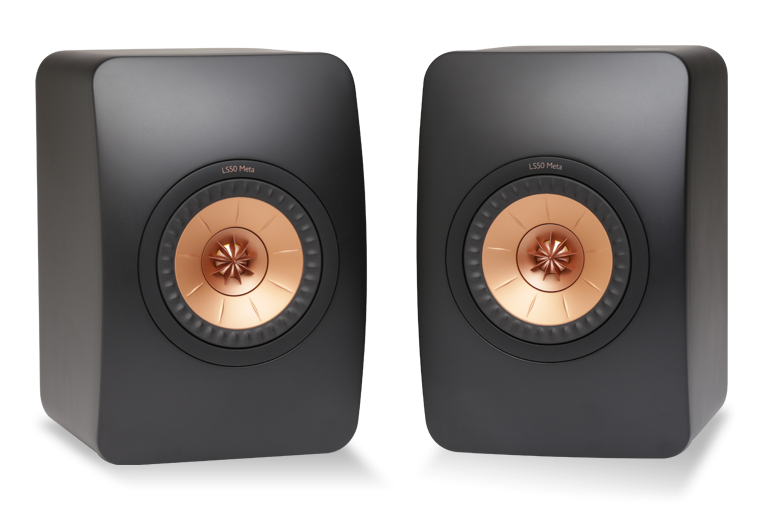
KEF LS50 Meta Loudspeakers $1499 Review
December 21, 2020 Comments Off on KEF LS50 Meta Loudspeakers $1499 Review
https://www.soundstagehifi.com/index.php/equipment-reviews/1502-kef-ls50-meta-loudspeakers
After I’d listened to more music through the LS50 Metas and found nothing that contradicted what I’ve said above, I brought in my original LS50s for some comparisons. “I’ve Got to See You Again,” streamed from Norah Jones’s Come Away with Me (24/192 FLAC, Blue Note/Qobuz), let me suss out the differences pretty well. Through the Metas, Jones’s piano, which begins this track, sounded a little farther back on the stage, and her keystrokes were a tiny bit cleaner — not a big difference, but it became obvious after repeated comparisons. Then there was the violin — Jenny Scheinman plays it throughout this track, but it’s most audible just after 2:20, when it was more prominent through the LS50s. But that prominence came with a hint of stridency the Metas didn’t have; overall, this track sounded better through the Metas.
I heard the biggest differences in the reproduction of Jones’s voice, which is front and center on every track of Come Away with Me. It sounded almost the same through the two speaker pairs, but Jones’s sibilants — they’re how her voice was recorded — were more emphasized through the LS50s. This got me thinking that the original LS50 has a bit more lift in certain parts of the treble. Through the Metas, her voice also sounded cleaner, less fuzzy, and its image was placed more solidly in the center of the stage. This tighter vocal image appeared on a soundstage that floated completely free of the Metas’ cabinets — the original LS50s’ cabinets don’t “disappear” quite as completely. I never heard sounds coming directly from the LS50s’ cabinets, but when I listened intently, I could occasionally sense the cabinets’ precise positions. But things like bass and high-frequency extension, as well as scale and output, were exactly the same through both sets of speakers — though I did think that the kick drum in “I’ve Got to See You Again,” even if it had the same weight and the same low-end extension, sounded slightly cleaner through the Metas.
Stereophile’s Products of 2020
December 20, 2020 Comments Off on Stereophile’s Products of 2020
https://www.stereophile.com/content/stereophiles-products-2020

The finalists in the Overall category included that Sonus Faber speaker and the Jeff Rowland Design Group Consummate preamplifier, which cost just shy of $9000. (The Levinson DAC was the overall winner.) Those were the most expensive products to win a category in 1992. The least expensive was the $499 Audio Power Industries Power Wedge, which won in the budget category. (This year’s Budget winner cost $100 less.) The average price of 1992’s winners—excluding the budget category—was $6259.
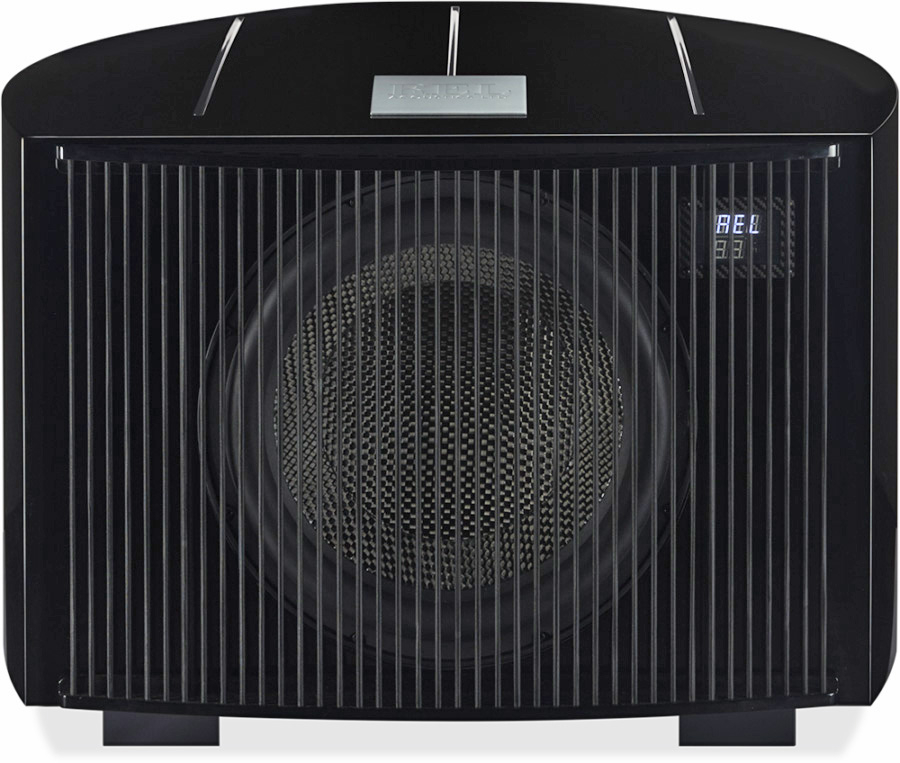
REL No. 25 Subwoofer $7500 Review
December 20, 2020 Comments Off on REL No. 25 Subwoofer $7500 Review
I have heard several flagship speaker systems with independent standalone bass columns that were pretty amazing. Actually, they were downright spectacular! This includes models from Infinity, Genesis, MBL, and YG Acoustics. However, you have to remember that a No. 25 stack goes well beyond what these bass columns can offer, and it’s not just the much larger 15 inch drivers. Each stack of No. 25 subs have multiple 15 inch drivers and 1000 watts managing each individual driver. Let’s not forget the available fine tuning for gain, equalization, and crossover functionality for each unit. This yields plenty of horse power and dialed in flexibility that is not generally available in any other standalone design!
The potential is there. This stacking strategy can also work with several other models in the REL lineup. If your room and space requirements will only allow for something smaller in scale or budget, there are many options. Obviously, it can be very subjective, but many have stated that the cost and value of such six-packs can provide better overall system improvement than an upgrade to a much more expensive primary speaker. You can also add units as the budget will allow. Again, there are multiple paths to all the glory. I will keep the readers updated on this.”

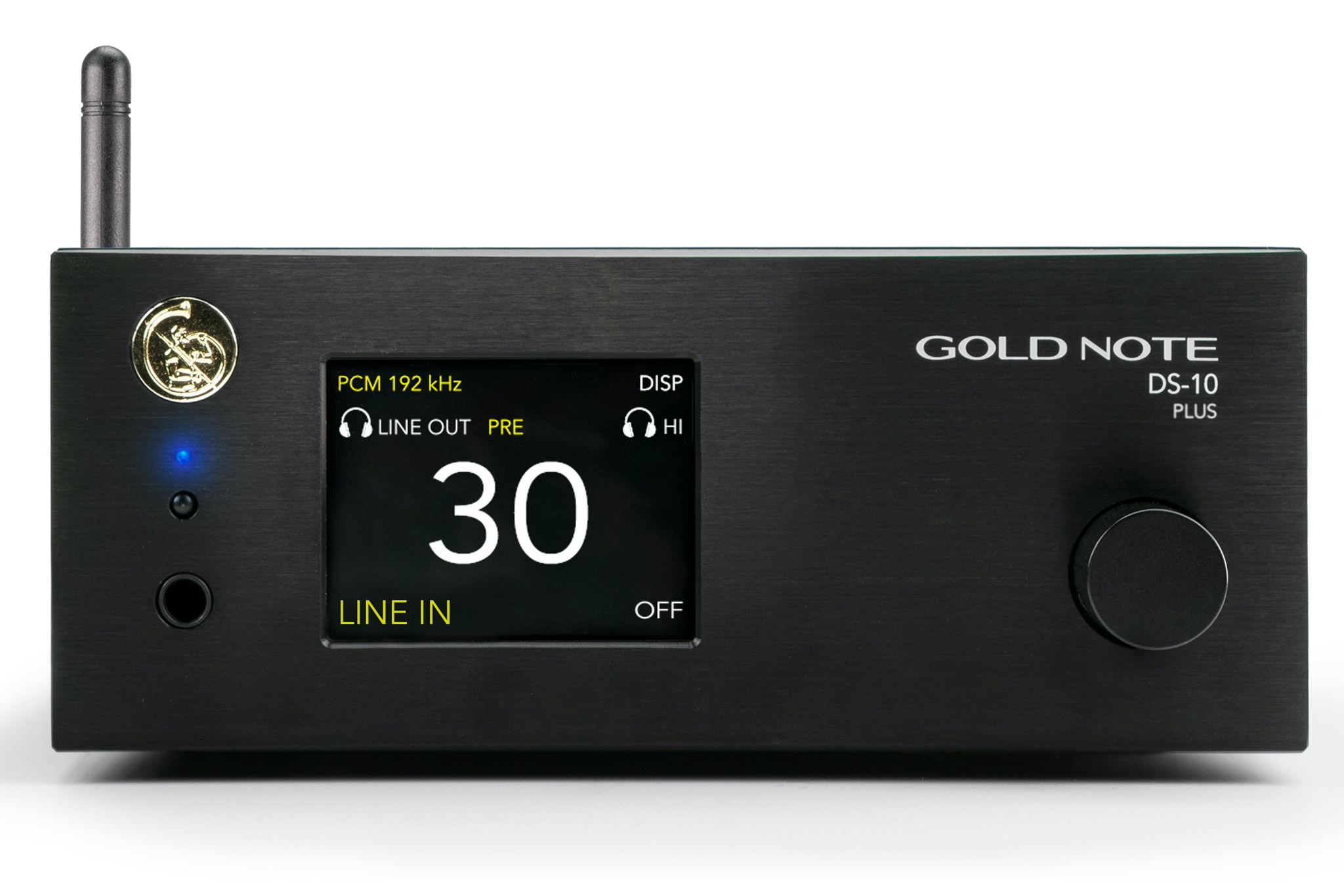
GOLD NOTE DS‑10 STREAMING DAC PREAMP AND PA‑10 POWER AMPLIFIERS REVIEW
December 20, 2020 Comments Off on GOLD NOTE DS‑10 STREAMING DAC PREAMP AND PA‑10 POWER AMPLIFIERS REVIEW
http://www.hifiplus.com/articles/gold-note-ds10-streaming-dac-preamp-and-pa10-power-amplifiers/
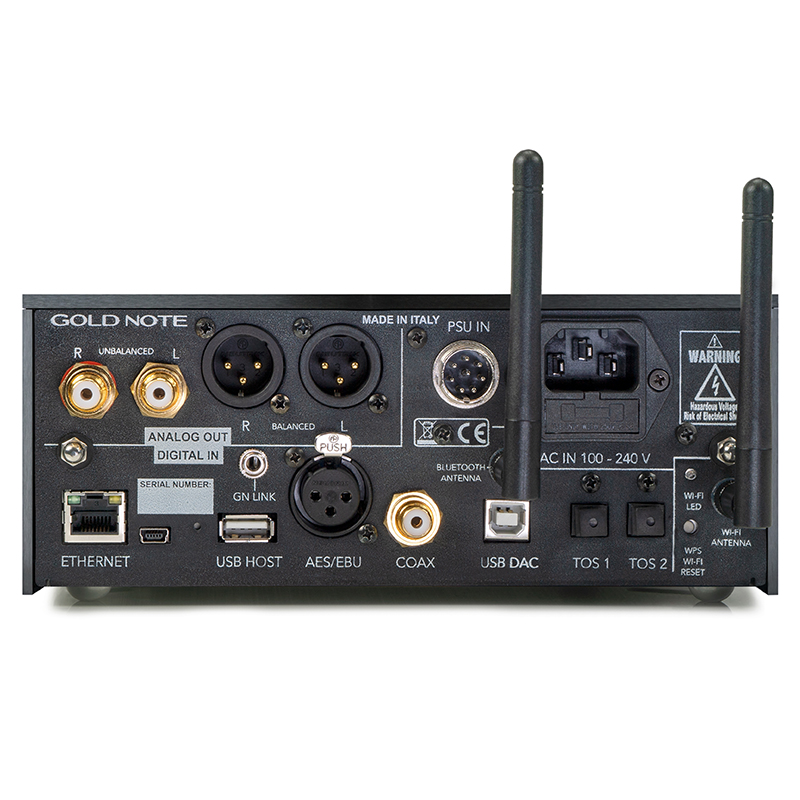
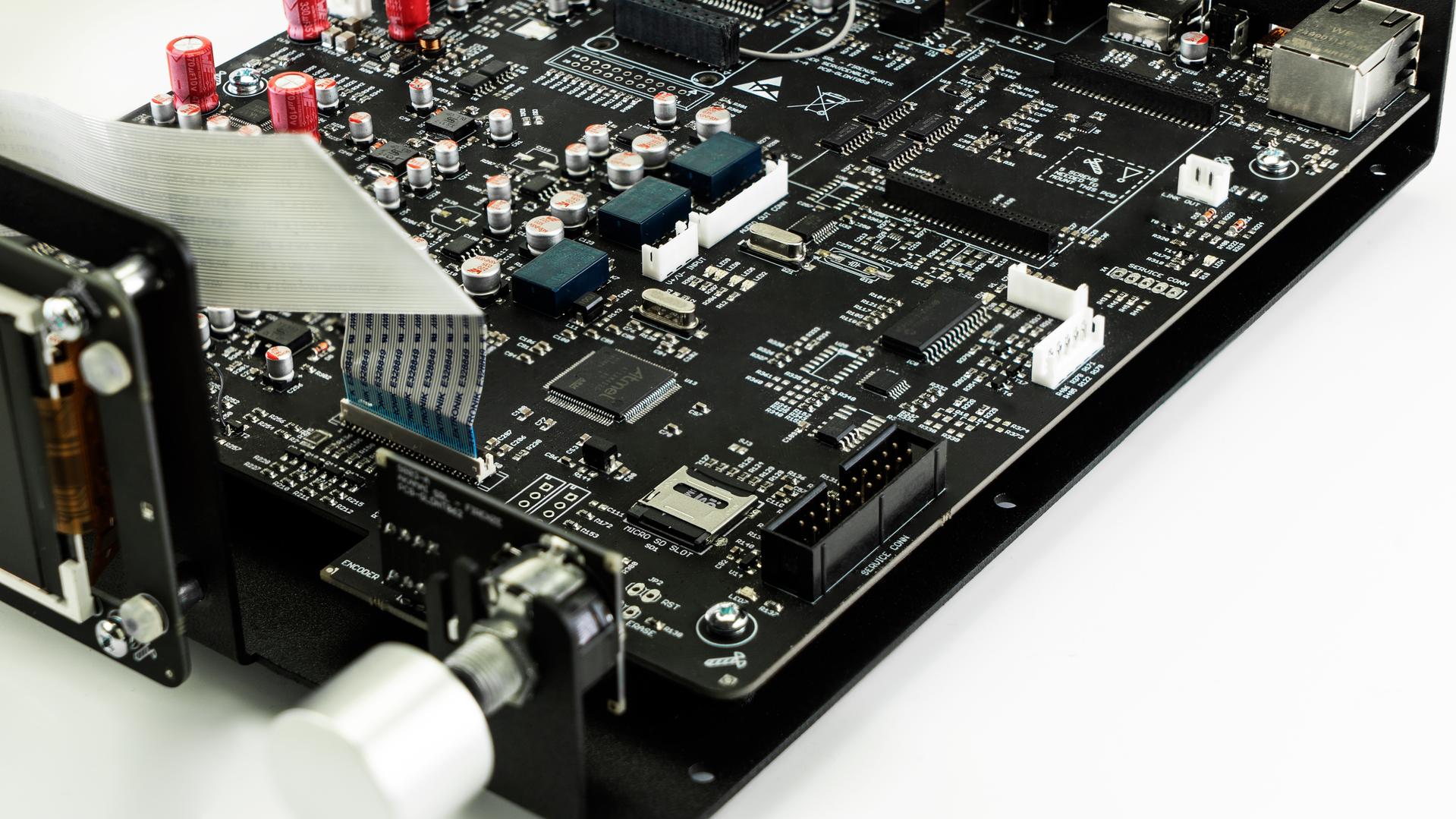
In a way, I’d argue that the DS‑10/stereo PA‑10 combination is more of a stepping-stone to the mono amps than a solution in its own right. In part, this is because for just a few hundred pounds more, Gold Note’s own IS-1000 integrated amplifier offers a lot of the same performance and sound quality standards, line inputs, and a more powerful amplifier stage. This isn’t a trouncing, as the DS‑10’s standalone DAC performance edges past that of the IS‑1000, the IS-1000 lacks a headphone amp and the PA‑10 is a slightly more graceful sounding amplifier than the integrated. Also, if you are performing a ‘bitza’ upgrade from existing equipment, then the DS‑10 is an obvious digital hub add-in to a system, but in the main if you are set on the Gold Note sound and it’s a choice between the DS‑10/stereo PA‑10 (with no future mono upgrade in the pipeline) or the IS-1000, I think most will go for the IS-1000. Adding in the second PA‑10, however, changes things dramatically. That extra dimensionality to the soundstage, the even greater control over the loudspeakers and its concomitant ‘grip’ on the bass, and the fluidity of midrange simply make so much more sense. All those elements are there in the PA‑10 (and, for that matter, the IS-1000), but they are more brightly lit when you go mono. And there’s even a PSU10 power supply for the DAC, so that should improve performance still further.
AudioQuest Niagara 3000 AC power conditioner Review
December 19, 2020 Comments Off on AudioQuest Niagara 3000 AC power conditioner Review
https://www.stereophile.com/content/audioquest-niagara-3000-ac-power-conditioner
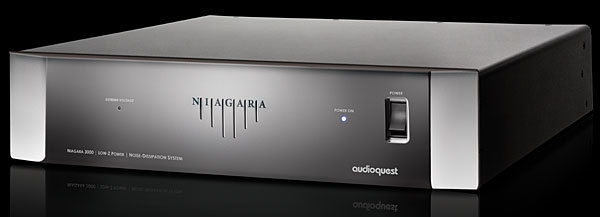
Upon connecting the XPA-1L’s to the Niagara 3000, I was struck by an improved level of clarity and authority and perhaps a touch of previously unheard sweetness; listening through them suddenly became a more engaging musical experience. I’d been using recent SACD acquisition, the Shostakovich Symphonies Nos. 1 and 15 (SACD, BIS 7318599916439) with Mark Wigglesworth and the Netherlands RPO, as a demo disc for friends with the Bel Canto e1X and the Maggie LRS loudspeakers. With the Niagara 3000 in place, it was now possible to experience the delicacies and dynamics of this music to a degree previously unheard.
I played a few LPs with the PrimaLuna EVO 300 integrated amp connected to the Zu Omens, among them, the new Craft Recordings vinyl reissue of Collective Soul’s eponymous second album (Craft Recordings CR00290). The opening track, “Simple,” is powerful and dynamic, easily the best song on the album. With the Niagara 3000 in the loop, analog playback was the best I’d ever heard here. Even though the Musical Surroundings Phonomena II+ phono pre has a dedicated linear power supply, plugging it into one of the 3000’s source receptacles vanquished the touch of electronic haze that normally appeared in my system around the midpoint of the volume dial. That haze is now gone, at all volume levels.


Bowers & Wilkins PX7 Carbon Edition Headphones REVIEW
December 19, 2020 Comments Off on Bowers & Wilkins PX7 Carbon Edition Headphones REVIEW
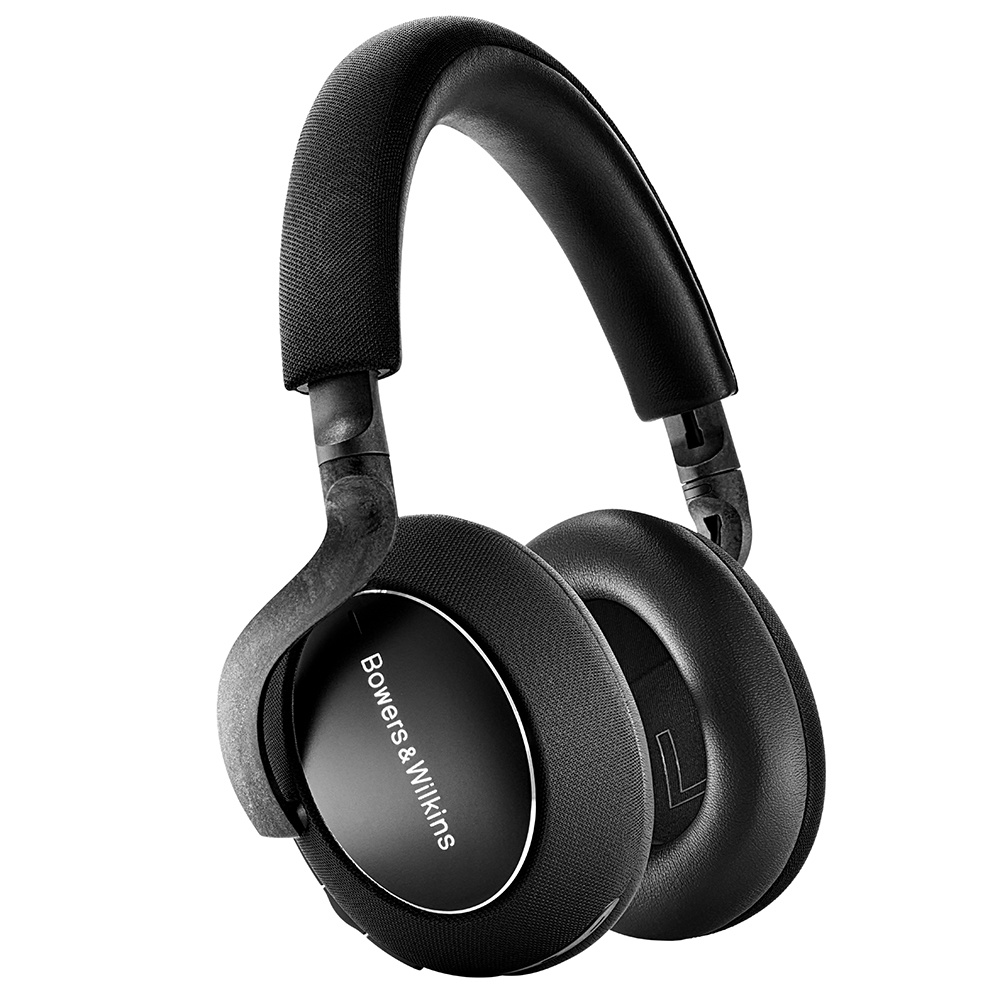
I guess I can say this is next feature is included, but not really, though it is free to download. It is the Bowers & Wilkins headphone app. And before you recoil into your chair with a defeated sigh, the app is not a mandatory fixture of the Bowers & Wilkins PX7 Carbon Edition headphones feature set, but it does indeed offer a extra optimizations and few useful features. Notably the ability to tailor the amount of ambient noise allowed to enter the headphones while noise cancellation is active. Another enjoyable feature is the provided set of B&W Soundscapes, which include things like ocean noises, campfires, and rain forest drizzle. Soothing and calming sounds for sure, and a nostalgic reminder of why noise-cancelling headphones originated. For a sense of peace and quiet.
 Audiophilepure
You must be logged in to post a comment.